Sandakphu, West Bengal: The Balcony to the Himalayas
Vidyut Vardhan December 23, 2025
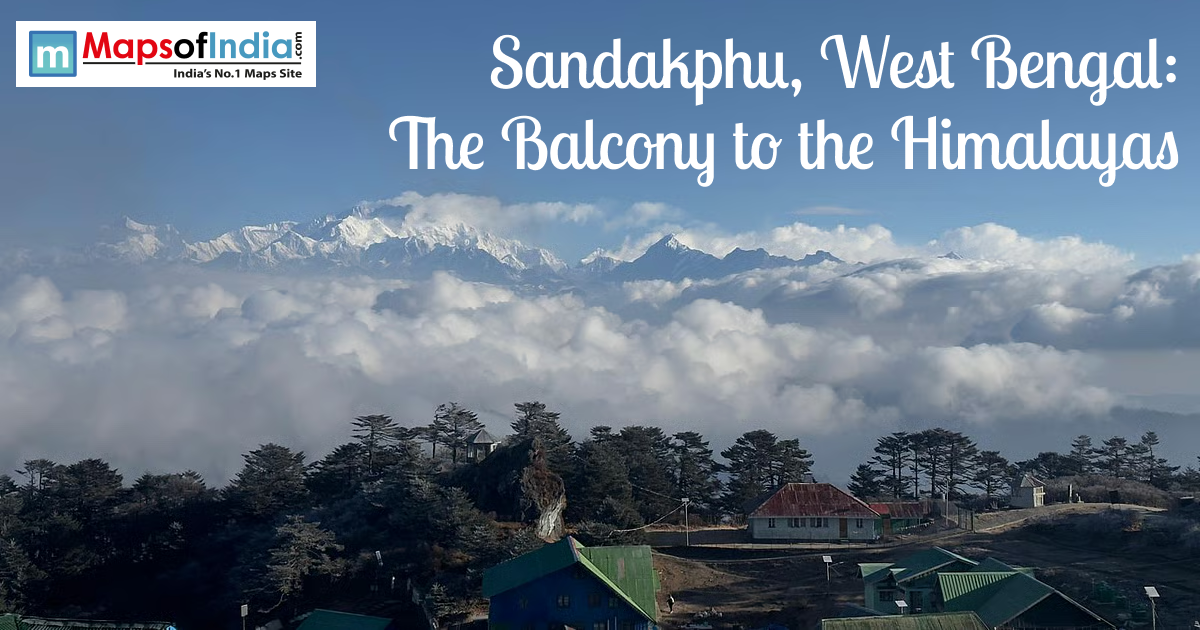
Sandakphu sits perched high like a giant ledge facing the planet’s loftiest summits. Found along the Singalila Ridge in West Bengal, this spot draws hikers eager for something hardly witnessed anywhere else. From here, you’re able to catch sight of four out of Earth’s five tallest mountains. Getting there means walking past forested hamlets and winding up long, snaking ridgelines. Each turn shows a different landscape. The entire journey feels like stepping into art.
Where is Sandakphu Situated in the Himalayas
Sitting at over 11000 feet high, Sandakphu lies near the line dividing India from Nepal. Around it is the Singalila National Park. This turns the spot into a top hiking destination across eastern India. Thanks to its height, temperatures run cool and crisp nearly all year long. For clearer skies plus better sightlines, winter or spring works best - cloud cover drops off then.
Why It's Called the Balcony to the Himalayas
This place got its name thanks to the stunning sight visible from Sandakphu. From here, you’re able to see Everest, Lhotse, Makalu - alongside Kanchenjunga - all at once. Of these four, Kanchenjunga seems closest, being part of a group shaped by those mountains. Locals refer to it as the Sleeping Buddha since it resembles a giant person resting on their back. The scene feels calm - yet you can sense its strength. Many hikers show up early, just before sunrise, when light hits the mountain tops and paints them golden.
The Trekking Route That Leads to Sandakphu
Most folks heading to Sandakphu pick the popular footpath that starts from Manebhanjan. This path begins easily but climbs slowly through woods full of pine, bamboo, along rhododendrons. As you move ahead, spots like Chitrey pop up, followed by Meghma, then Tumling, after that Kalipokhri, ending at Gairibas. Each one gives a place to eat, rest too. The hike isn't super tough skill-wise. Still, you'll need plenty of training since the trail keeps climbing nonstop.
Manebhanjan: The Gate to the Trail
Manebhanjan is the main point. It is a little town with shops, homestays, and jeeps. The area is famous for its line of old Land Rovers. These vehicles are designed to move on steep and rocky roads. Therefore, some people who travel choose these vehicles instead of trekking. The town has a tranquil appeal and is the place where the journey starts.
Walking Through Singalila National Park
The hike goes across Singalila National Park. This place stands out because of the unusual plants and animals. Red pandas are a big draw - they hide in dense bamboo patches. For people who love birds, this spot works great since lots of Himalayan types show up here. Tree cover shifts as you climb higher. Thick woods fill the lower spots, while up top, it opens into meadows with trees along the edges.
Flora That Brightens the Trails
The path bursts with wild beauty when spring arrives. Red, pink, or white rhododendrons bloom wildly along the slopes. Magnolias drift sweet smells through the woods. Plants hugging the trail show how rich Himalayan life can be. Bare trees, stripped by winter, somehow keep a calm magic alive.
Fauna That Makes the Region Special
These forests are home to creatures like barking deer, Himalayan black bears, and even red pandas. Still, seeing them isn’t something you can count on. Yet, traces of them might show up, while their sounds could echo through the trees. Spotting birds tends to grab the interest of plenty of hikers. Some birds - such as laughing thrushes, sunbirds, or even pheasants - that hang around here often show up. The trek feels more alive because the place teems with life.
The Sleeping Buddha Formation
The Sleeping Buddha is definitely the most photographed feature. The mountains can be seen to fit together in a pattern showing a face, chest, and feet. It is a formation of nature. However, it gives the impression that the mountains have created a piece of art. The view of this line of the peaks is what most of the tourists mention coming to see.
Local Culture and Mountain Villages
The villages found along the mountain path have people who are approachable, and due to their openness, they attract visitors. They feed them with simple food like rice, lentils, noodles, and momos. The houses are made using wood and stone. Apart from the villagers, those who have become guides or have the homestays in this line of work, live in the same way as the quiet rhythm of the mountains shows them.
Sikkim and Nepal Borders Along the Trail
This path has points where it goes beyond one border and into another. For example, one may be in India and, after a few minutes, be in Nepal. There are no tightly secured fences. The border line runs through the villages and ridges. Such a distinctive experience gives the trekking plot an extra layer of interest.
Best Time to Visit Sandakphu
One can say that the months from October to December and from March to May are perfect for a trip. The sun plays its role effectively in these periods by staying out and letting no clouds in the sky. Flowers are at their best during spring. Winter snow will be there for those who love winter landscapes. The monsoon season has its own set of risks, such as slippery trails, etc., so one should be more cautious.
The Famous Land Rover Route
Some people who are able to make the trek may decide to take the jeep route instead. The Manebhanjan Land Rovers leave the town after having a trip on a rocky road. Although it is a bumpy ride, it is still an adventure. The old vehicles that these vintage Land Rovers are have been running since the early 1950s. In addition to being strong and iconic, they are the main characters in the story of the region’s transformation over time. Hence, they derive the major part of the region’s identity.
The Final Climb to the Peak
The steep ascent to Sandakphu is the last part of the journey, and the reward is great. The path then leads to a broad ridge where the mountains can be seen on the left and right sides. Under such conditions, the wind can be considered as a solid force. It is a feeling of how big the Himalayas are that comes to your mind the moment you get to the summit. The landscape extends far and wide, even larger than you could have ever imagined.