Onam is one of the most significant and popular festivals celebrated in the state of Kerala, which combines elements of culture, cuisine, music, dance, flowers, and celebration. The festival is linked with the subsequent homecoming of legendary King Mahabali, and the celebration of the festival goes on across Kerala with a lot of enthusiasm. Onam also represents the agricultural tradition of Kerala and the culture of the state, which is one of equality, togetherness and prosperity.
In 2026, the main day of Onam is Wednesday, August 26, and the same day is also the Thiruvonam day. Thiruvonam has been listed as a traditional festival of Kerala by Kerala Tourism.
What Is Onam?
Onam is the traditional festival that is celebrated mainly in Kerala during the Malayalam month of Chingam. The festival has a close association with the harvesting time and the mythical tale of King Mahabali, whose generosity and prosperous reign are enshrined in Kerala folktales.
The festival is normally celebrated for 10 days, starting from Atham and ending with Thiruvonam. There are unique customs and significance for each day in this series, culminating in elaborate festivities as Thiruvonam nears.
Onam is a mythological event, but at the same time, it is considered a cultural festival to mark the life of Kerala that is being celebrated by all and sundry.
Onam 2026 Date
Onam is mainly celebrated during Thiruvonam (26th August 2026). Thiruvonam is celebrated on this day throughout Kerala (according to Kerala Tourism).
There are various cultural events during the entire Onam season. The Onam Tourism Week 2026 will be held between 24th and 30th August, 2026 at Kerala Tourism. As for every Onam Tourism Week, traditional performances and exhibitions will be organized along with opportunities to experience Kerala culture and social life.
History and Legend of Onam
There's one of the most popular tales that is attached to Onam, which is about the legendary King Mahabali, who was generous and a very good ruler. The legend has it that during the reign of Mahabali, his people were living their lives in a golden age of peace and prosperity.
Vamana, an incarnation of Lord Vishnu, is also a part of this story. According to Hindu tradition, Vamana approached Mahabali in the form of a dwarf Brahmin and requested as much land as he could cover in three steps. Mahabali agreed to the request. Vamana then assumed a cosmic form and covered the earth and heaven in two strides.
There was no place for the 3rd step, so Mahabali gave his head. He was sent away to the underworld, but was allowed to come back to Kerala every year to visit his people. This annually recurrent homecoming of Mahabali is traditionally linked to Onam.
This legend gives Onam its central themes of generosity, prosperity, humility and devotion.
Why Is Onam Celebrated?
Onam is a festival that is celebrated to welcome King Mahabali and to mark the prosperity that his royal ascendancy brought upon them. It's also linked to Kerala's agricultural traditions and harvest season.
The festival provides an opportunity for families and communities to come together, prepare traditional food, decorate their homes and participate in cultural activities. Its festivity is about sharing, hospitality and social harmony.
Major Onam Traditions and Rituals
1. Pookalam
Pookalam is perhaps one of the most famous Onam traditions, where the floor outside the houses is filled with flowers arranged in a vibrant pattern. Fresh flowers are always prettified in an elaborate design, and the latter becomes bigger and more ornate during the celebration, which lasts for 10 days.
Pookalam is a significant visual aspect of Onam and is connected to King Mahabali's celebration.
2. Onam Sadya
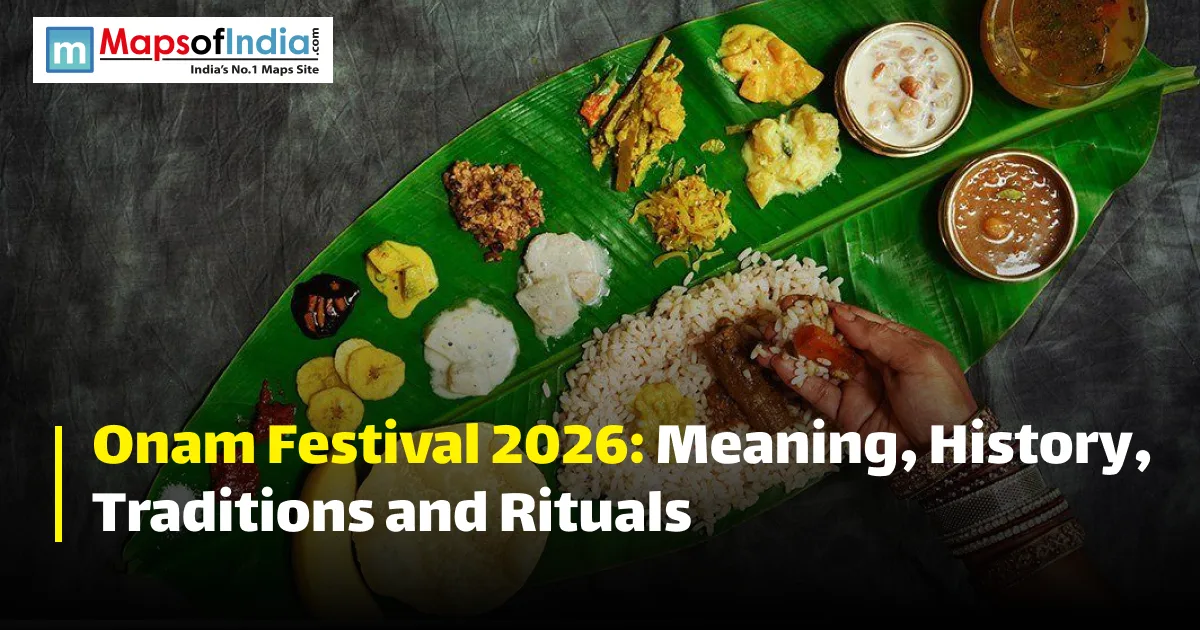
One more important point of attraction during the festival is Onam Sadya that is a traditional vegetarian feast. Made up of a collection of dishes placed together, usually on a banana leaf.
Rice curries, curries, vegetables, pickles, chutneys, papad, payasam and regional preparations can be a part of the feast. Thiruvonam is a day on which the family is used to having a very elaborate Sadya.
3. Vallam Kali
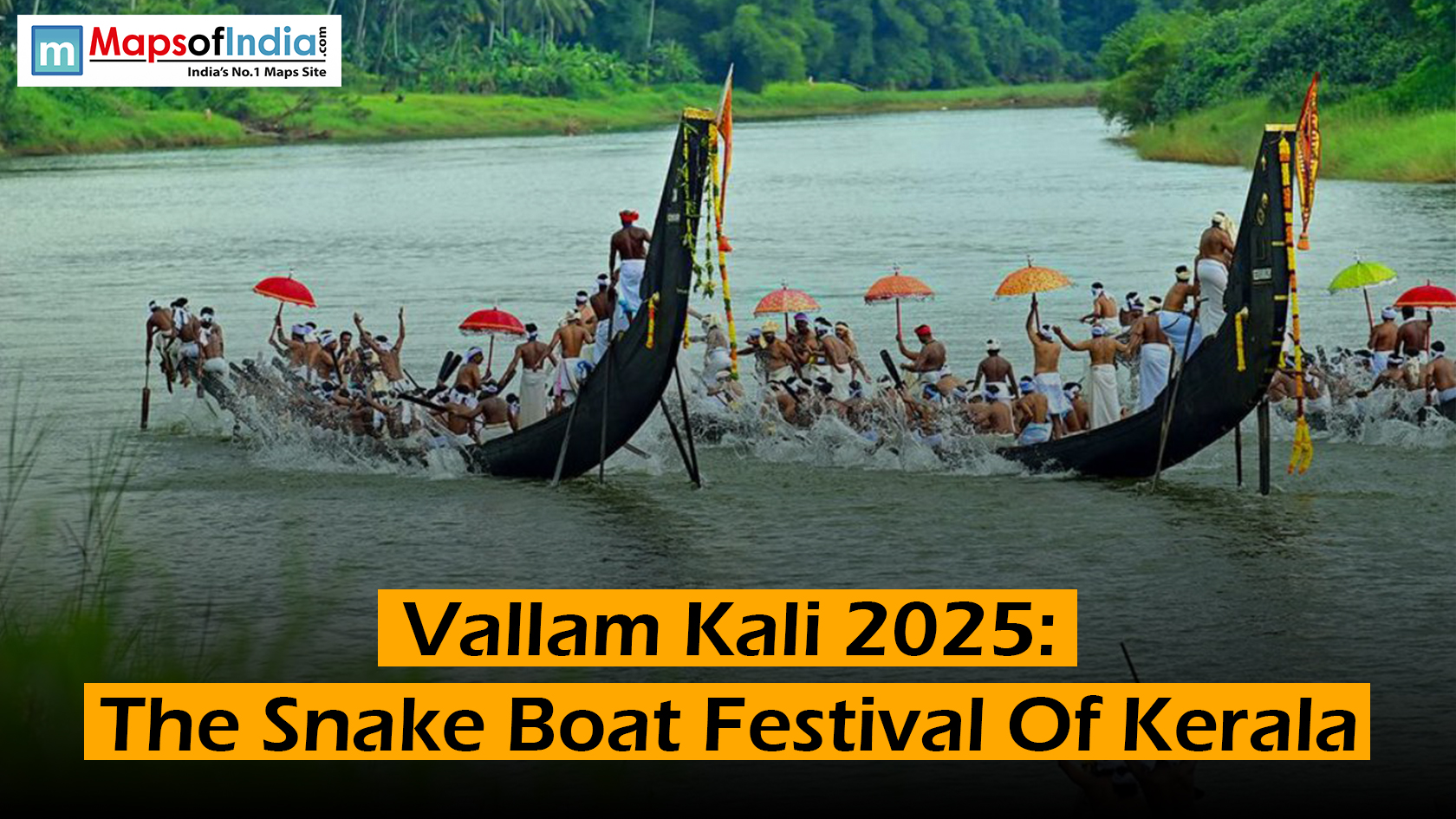
Vallam kali or the traditional boat racing is one of the most intriguing Onam-related activities in Kerala. The Kerala rivers and backwaters of Kerala host snake boat races with teams of rowers.
The races involve sports, music, teamwork and involvement of the communities, hence playing an important role in the culture of Kerala.
4. Pulikali
The folk-culture “Pulikali” (tiger-play) is a colourful art that is associated mostly with the city of Thrissur. Performers get their bodies painted in tiger shapes and engage in exciting processions while listening to the traditional music.
According to Kerala Tourism, Pulikali is one of the major traditional festivals after Thiruvonam, which is organised in 2026 and will be organised in the city of Thrissur on 29th August.
5. Traditional Dances and Performances
Other special activities of the Onam festival include Traditional Art Forms and Dances like Thiruvathira, Kaikottikali, Kathakali and Mohiniyattam. These events are typical of Kerala's unique artistic culture.
In the year 2026, Kerala Tourism is pushing for cultural shows and events to showcase these to tourists during their stay in the state during the Onam Tourism Week.
The Ten Days of Onam
The 10-day celebration, which is considered a classic celebration period, starts with Atham and goes up to Thiruvonam. Some of the days in this series are called Atham, Chithira, Chodhi, Vishakam, Anizham, Thriketa, Moolam, Pooradam, Uthradom and Thiruvonam.
The size of Pookalam decorations as the festival goes along, and preparations for the main celebration increase. Uthradom is considered to be associated with welcoming Mahabali when he arrives, and the day of the main celebration is Thiruvonam; the last day of the event is of major importance.
Onam Celebrations in Kerala
Onam brings a floral festival vibe, ethnic cuisine, programmes, and cultural activities to towns and villages in Kerala. The markets get filled with customers who want to buy accessories for their new wardrobe, flowers and ingredients for the holidays.
The festival is also popular among tourists who want to get acquainted with the culture of Kerala. So, in 2026, Kerala Tourism is promoting, in particular, Onam celebrations and cultural programmes for international tourists.
Significance of Onam
Onam is not all about mythology and legends. It symbolizes Kerala's culture and exudes the notions of good fortune, unity and hospitality. Mahabali is important because the story of his establishment of equality and well-being in his kingdom is remembered.
The festival is also an attempt to present various aspects of Kerala's traditions - food, floral art, boat races, folk dances, traditional rituals, etc.
Conclusion
Onam Festival 2026 will culminate on 26th August with Thiruvonam, and Onam-related celebrations and the Onam Tourism Week will continue through 30th August in Kerala, enveloping the homes and communities of the state in a celebration of food, flowers, rituals and cultures. The legend of King Mahabali, the colourful Pookalam and Onam Sadya are added to the unique character of the festival with vallam kali and pulikali.
Onam is not just a religious festival; it is a symbol of Kerala's culture. Its message of prosperity, generosity, community and harmony continues to make it one of the most unique and highly acclaimed festivals in India.
FAQs
1. When is Onam 2026?
Onam 2026 will culminate with Thiruvonam on August 26, 2026. The traditional celebrations begin with Atham and continue for 10 days, with Thiruvonam being the main day of the festival.
2. Why is Onam celebrated in Kerala?
Onam is celebrated to commemorate the annual homecoming of King Mahabali, a legendary ruler associated with prosperity, equality and a golden age. It is also Kerala’s major harvest festival, celebrating abundance and cultural traditions.
3. Who is King Mahabali and why is he important to Onam?
King Mahabali is a legendary ruler believed to have governed Kerala during a prosperous and peaceful era. According to the traditional story, Lord Vishnu, in his Vamana avatar, sent Mahabali to the netherworld but granted him permission to return once a year to visit his people. Onam commemorates this annual homecoming.
4. What are the main traditions of Onam?
Major Onam traditions include creating Pookalam, preparing the traditional Onam Sadya, wearing new clothes, participating in cultural performances, enjoying Vallam Kali or snake boat races, and watching folk performances such as Pulikali.
5. What is Pookalam and why is it made during Onam?
Pookalam is an intricate floral decoration created using fresh flowers, traditionally in front of homes. It is one of the most recognizable Onam traditions and is associated with welcoming King Mahabali to Kerala.
6. What is Onam Sadya?
Onam Sadya is a traditional vegetarian Kerala feast served during Onam, usually on a banana leaf. It features rice, curries, vegetables, pickles, savouries and desserts such as payasam. The feast represents abundance, togetherness and Kerala’s culinary heritage.
7. How many days is Onam celebrated?
Traditional Onam celebrations span 10 days, beginning with Atham and ending with Thiruvonam. Pookalam decorations and other festivities generally become more elaborate as the festival approaches its main day.