Raksha Bandhan is one of the most cherished festivals in India, celebrating the special bond between brothers and sisters. Commonly known as Rakhi, the festival is marked by the tying of a sacred thread around a brother’s wrist by his sister. In return, the brother traditionally promises to protect and support his sister and gives her a gift as a symbol of affection. However, in modern times, Raksha Bandhan has evolved into a broader celebration of love, care, respect and togetherness among siblings.
Celebrated during the Hindu month of Shravana, usually in July or August, Raksha Bandhan brings families together and combines traditional rituals with joyful celebrations. The festival is observed across different parts of India, although customs and names may vary from region to region.
What Is Raksha Bandhan?
The term Raksha Bandhan comes from two Sanskrit-derived words: “Raksha,” meaning protection, and “Bandhan,” meaning bond or tie. The name is a combination of protection and affection.
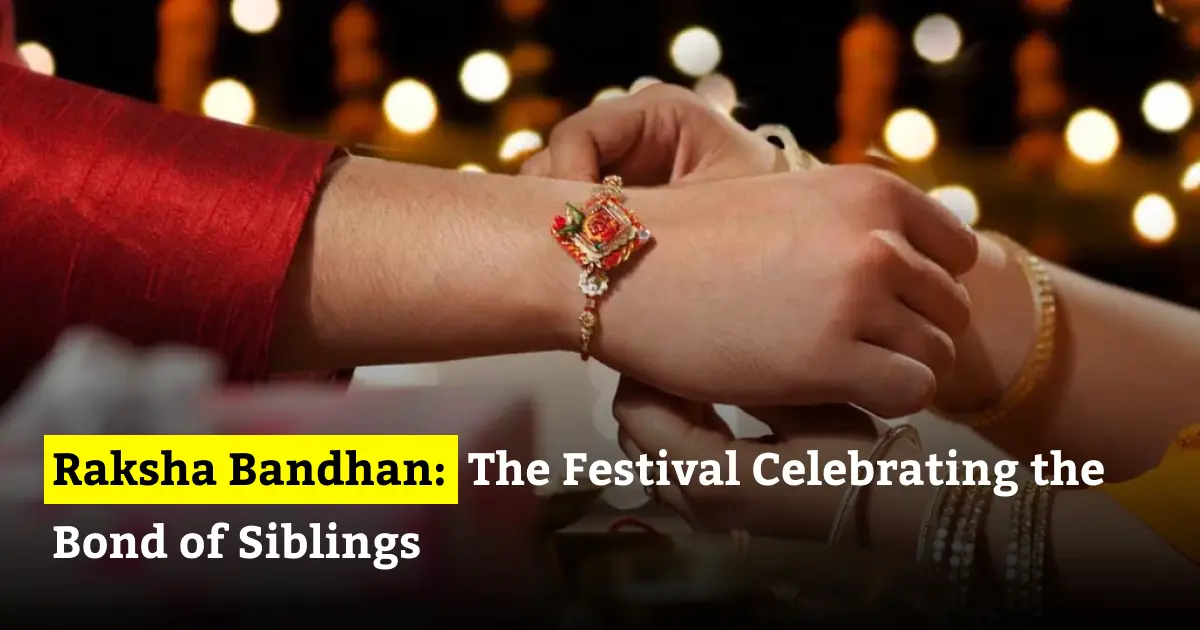
The most popular is the tying of rakhi, a piece of decorated sacred thread, on the wrist of one's brother. The family arranges a thali of various items like a diya, roli or kumkum, rice grains, sweets and then the rakhi before tying the rakhi.
The sister puts a tilak on the forehead of her brother, performs an aarti and ties a rakhi around his wrist. Then the brother gives her a gift, and he promises to be by her side at various ages of life. Overall, the ritual symbolizes love - not just an old-fashioned pledge of protection.
History and Mythological Significance of Raksha Bandhan
Raksha Bandhan is an ancient festival and has numerous tales from Indian mythology and history.
There's a popular story that Raksha Bandhan has to do with Lord Krishna and Draupadi. As a traditional story goes, Draupadi tore a piece of cloth from her sari and tied it to Krishna's arm when he got hurt. It was believed that Krishna assured her of protection. Raksha Bandhan is associated with a sense of emotional and protective bond, which is the reason for this story to be quoted as such.
The other popular tale is about Goddess Lakshmi and King Bali. In Hindu mythology, Lord Vishnu resided with King Bali, and Goddess Lakshmi tied a sacred thread around his wrist and considered him her brother. She was accepted as his sister by Bali, and it is said that Bali promised to protect her.
Rakhi has also been linked to other relationships besides that of siblings through history and tradition. Rakhis have sometimes been exchanged as a symbol of friendship, solidarity, protection, etc.
A fundamental part of the festival that is celebrated every year is the sense of trust, love and forever bond, which is the essence of Raksha Bandhan.
How Is Raksha Bandhan Celebrated?
Celebrations of Raksha Bandhan can start a few days prior to the day of the festival. Colorful rakhis are on display at markets, online stores and local shops in a variety of designs, including the traditional sacred threads, personalized and modern designs.
During the festival day, the family members are generally dressed in traditional or festive attire. Sisters make or buy rakhis and sweets, and brothers may choose gifts for their sisters.
The main Raksha Bandhan ceremony generally includes:
- Preparing a Rakhi thali with a diya, tilak, rice, sweets and rakhi.
- Applying a tilak to the brother’s forehead.
- Performing aarti for the brother.
- Tying the rakhi around his wrist.
- Exchanging sweets and blessings.
- Giving gifts to one another.
- Spending time together with family.
Although the traditional ceremony focuses on brothers and sisters, many families now celebrate the occasion by exchanging gifts and rakhis among siblings regardless of age or gender.
Regional Names and Traditions
While Raksha Bandhan is celebrated all over India, each region has its own set of traditions and festival names related to this festival.
The festival is a popular celebration in North India, known as Raksha Bandhan or Rakhi, and is closely linked to the celebration of siblings. In some regions of Maharashtra, the day is celebrated as “Narali Purnima”, especially by the coastal communities, with rituals associated with the ocean and Lord Varuna.
The festival could be linked with the religious worship of Lord Shiva in Gujarat, known as Pavitropana. The full moon day of the month of Shravana is also religiously significant in some parts of India, with some local traditions to mark the occasion.
These regional variations demonstrate India's cultural diversity while retaining the central theme of the sacred bond represented by the festival.
Importance of Raksha Bandhan in Modern Times
The meaning of Raksha Bandhan has expanded considerably in contemporary society. The festival used to highlight the brother's promise to protect his sister. Nowadays, the relationship is seen as mutual support and emotional protection.
Education and work, amongst other factors, mean that siblings often live in different cities or countries. Raksha Bandhan is thus a time for the family to come together, especially if they cannot actually see each other.
Online greeting cards and gift deliveries, and video calls are also part of the modern Raksha Bandhan celebrations. Sisters can send rakhis to brothers that are far away, and families can be involved in the ceremonies from afar.
The festival has, therefore, evolved to suit the varying lifestyles, yet preserving its traditional character.
Rakhi Gifts and Celebrations
In today's context, gift-giving is an integral part of Raksha Bandhan. Previously, the tradition was that the brothers give presents to their sisters after the rakhi ceremony, but it has now extended to both brothers and sisters.
Popular Rakhi gifts may include:
- Chocolates and sweets
- Clothes and accessories
- Books
- Personalized gifts
- Watches and other useful items
- Gift cards
- Handmade presents
- Plants and eco-friendly products
Many siblings also celebrate by going out for a meal, watching a movie, traveling together or simply spending quality time with family.
Eco-Friendly Raksha Bandhan
People are becoming more eco-conscious and opting for environmentally friendly rakhis. These may be made using cotton threads, recycled materials, seeds, paper or other biodegradable materials.
Seed rakhis are very popular as they can be planted after the festival. Deciding to opt for sustainable decorations, cut back on plastic wrapping and buy handmade rakhis are easy steps to make the celebration eco-friendly.
Why Is Raksha Bandhan Special?
Raksha Bandhan is more than just a rakhi. It offers siblings a chance to be thankful, loving and appreciative of each other.
Memories, experiences, celebrations and challenges are shared by siblings in their childhood. They may argue and fight, but in most cases, the bond between them is one of the strongest in anyone's life.
Raksha Bandhan is an annual celebration of the importance of this relationship. The rakhi comes to be a symbol of love, trust and the promise of staying connected.
Conclusion
Raksha Bandhan is much more than a festival of tying a thread. It celebrates the enduring bond between siblings and the values of love, trust, care and mutual support. From traditional rituals involving tilak, aarti and sweets to modern celebrations involving virtual gatherings and personalized gifts, the festival continues to evolve with changing times.
Whether siblings celebrate together at home or connect from different parts of the world, the essence of Raksha Bandhan remains the same: cherishing the special bond between brothers and sisters and promising to stand by each other through life’s journey.
FAQs
1. When is Raksha Bandhan 2026?
Raksha Bandhan 2026 will be celebrated on Friday, August 28, 2026, on the full moon day (Purnima) of the Hindu month of Shravana.
2. What is Raksha Bandhan and why is it celebrated?
Raksha Bandhan is a Hindu festival celebrating the bond between brothers and sisters. It symbolizes love, care, protection, trust and mutual support, traditionally marked by tying a rakhi around a brother’s wrist.
3. What is the meaning of Raksha Bandhan?
The word Raksha Bandhan refers to a bond of protection. “Raksha” means protection, while “Bandhan” means bond or tie. The festival represents the enduring affection and responsibility shared between siblings.
4. What is the history and story behind Raksha Bandhan?
Several mythological and traditional stories are associated with Raksha Bandhan, including the stories of Krishna and Draupadi and Goddess Lakshmi and King Bali. These stories emphasize affection, protection and the importance of sacred bonds.
5. What are the main Raksha Bandhan rituals?
The main Raksha Bandhan rituals include preparing a Rakhi thali, applying tilak to the brother’s forehead, performing aarti, tying the rakhi, exchanging sweets and giving gifts. Customs can vary among families and regions.
6. What should be included in a Raksha Bandhan thali?
A traditional Raksha Bandhan thali generally includes a rakhi, roli or kumkum, rice grains (akshat), diya, sweets and flowers. Families may also include other items according to their traditions.
7. What is the significance of Raksha Bandhan in modern times?
Today, Raksha Bandhan celebrates more than traditional protection. It represents mutual love, emotional support, respect and lifelong sibling companionship. Siblings living in different cities or countries can also celebrate by sending rakhis and gifts or connecting through video calls.