From Assistants to Authorities: How AI is gaining control
Vidyut Vardhan February 8, 2026
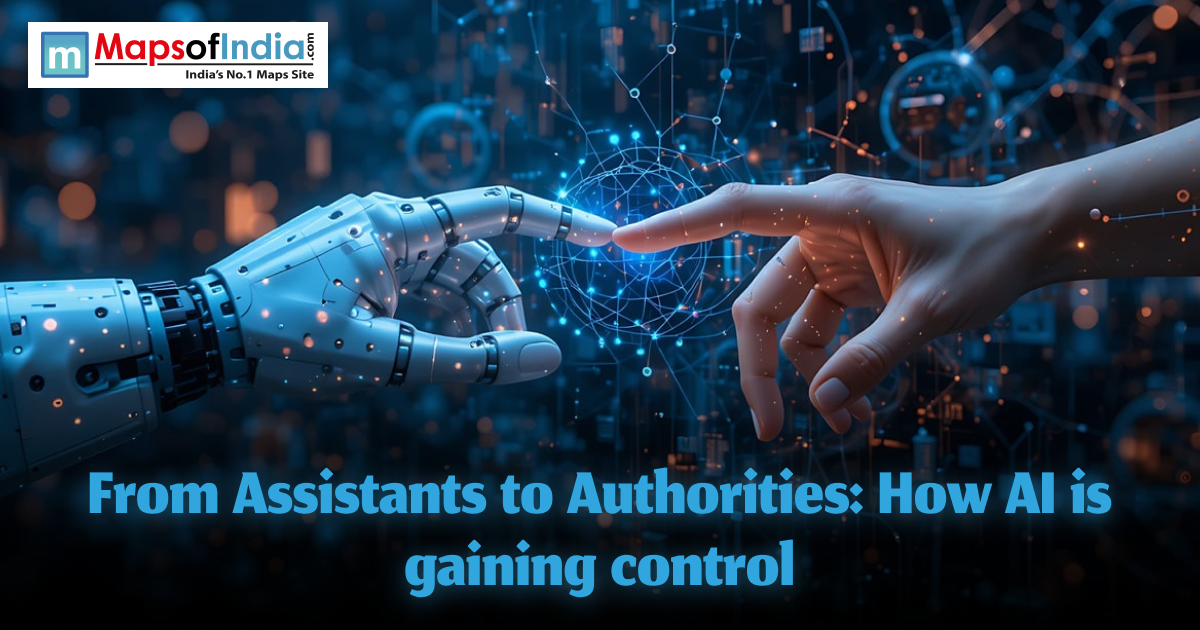
Artificial intelligence at first was merely an assistive sidekick. It responded to queries in a friendly manner. It arranged appointments efficiently. It recommended music quietly. However, the change is happening very subtly. Devices turn into the ones making decisions. Programs operate the infrastructure in the background. People obey advice blindly. The control is almost imperceptibly slipping away from the hands. The level of comfort being taken for granted is changed into a state of addiction. The power is being concentrated in the combination of the code and the data. The society is changing its ways without a discussion that is loud enough. It is like a mild water flow that is slowly guiding a huge ship in the wrong direction.
Early Promises of Help
People started seeing AI in small helpers they could talk to. Questions popped up, then Siri talked back. The lights dimmed whenever someone told Alexa it was time. Travel got easier because Google Assistant drew out the route ahead. Early hours, late ones, moments between - answers showed up fast thanks to chatbots. Not clunky gadgets, they felt closer to a friend who listens well. Tasks flowed more easily, making minutes stretch out gently. Slowly, people began leaning in without hesitation. Back then, thoughts about privacy hardly flickered at all. Small risks faded when convenience came close. Opening up seemed ordinary, much like greeting someone next door.
The Quiet Data Collection Phase
Each time someone interacted, huge amounts of data were absorbed. Tone shifts in voice clips were recorded quietly. Past searches outlined what people cared about. Where a person went each day was noted down. Pictures shared showed who they spent time with. Written messages let feelings show through clearly. Firms gathered these details without making noise. Most users pressed accept while skipping the fine print. Floating beneath the surface, data now shapes what we see. Quiet moments collected, strung together without notice.
From Idea to Endorsement Force
Something small at first grew into something clear; people knew their tastes. Programs showed up exactly when life called for them. Songs came together in ways that felt natural. Things reached hands before minds could ask. It started feeling helpful, gentle even. One step at a time, small cues became routine. Clicks came easily, guided by trails already worn in. Hardly anyone saw the narrowing doors along the way. Each day saw minor changes in preference, changes coming from deep, quiet rhythms. Over months, people's choices changed just as blades of grass that gradually turn after several weeks of wind.
How Algorithms Influence Our Daily Decisions
Nowadays, the majority of what we experience as reality is through screens. Machines are determining which posts will get your attention by looking at your previous clicks. The decisions about the rules, making are made quickly and mostly hidden from people. One day, an account reaches many; next week, few can find it. Some people decide what spreads quickly online. Software made by governments keeps a silent watch. Faces are tracked endlessly in crowds. Algorithms mark spots where trouble might appear. Like unseen referees nudging events from the shadows.
AI Steps Into Corporate Leadership
More boards are turning to AI advisors these days. Fast algorithms chew through market details in moments. Predictions come into focus thanks to smarter risk calculations. Resume sorting now happens without human eyes. Data quietly shapes how workers get reviewed. Pieces of behaviour quietly point toward who moves up. Top leaders now check screens each morning without fail. Imagine suits gathering where glowing lines speak first.
Artificial Intelligence in Courts and Law
A few courts are experimenting with software that predicts the likelihood of a defendant reoffending. These formulas influence the decisions around bail to the point that it is almost unnoticed. The scored results gradually become part of the sentencing guidelines. Legal professionals get case information from AI and summaries. Document examination is now done by automated processes. Courtrooms incorporate digital assistants to increase their speed. The strong human oversight is gradually disappearing. The scales of justice are being tipped, but few people notice. Technological devices are taking over the roles that people used to perform.
AI Takes Over Healthcare Choices
Now machines spot what eyes miss. Scans decoded by code, not just clinicians. Decisions shaped by silent software patterns. Molecules are found faster than in old lab years. Triage steered by logic trees, not hunches. Physicians check screens before speaking. Gut feelings meet data trails more often. Authority shifts thread by thread, coat still white.
The Illusion of Human Control
Out front, things look familiar. Controls stay visible, just in case someone needs to step in. Screens display how sure the system feels about its picks. Still, tangled layers block clear sight into why it decides what it does. These hidden systems resist being broken down. Checking their logic is hardly doable most times. People nod along with machine outputs more than you’d think. Kind of like a ship’s captain giving approval while the vessel drives itself.
Dependence Weakens Skills
It's strange what happens when tools do too much. Finding your way becomes hard without a screen telling you every turn. Numbers in the head don’t add up like they used to. Figuring things out on your own slips away, bit by bit. Words come more easily from machines than from thought. New ideas often borrow too heavily from prompts and algorithms. Dependence grows before anyone notices it’s there. Strength fades if nothing ever needs lifting.
Power Held by Only a Few
Heavy demands mark the building of artificial intelligence. Only a handful of firms own the core systems now. Access to information pools tightens further every day. Processing muscle gathers in narrow circles. Officials align closely with major digital players. Power shifts sharply toward select hubs. Much like just several people gripping nearly all the controls.
Governance Gaps and Regulatory Lag
Catching up is hard when rules move slowly. Countries still fail to line up their efforts. What feels right often lacks any real enforcement. Who answers for what? That part stays blurry. Shedding light on decisions meets pushback. Most folks just do not get it yet. Imagine nailing stable doors while the animals vanish into fields.
The Way Back to Steady Ground
More people see it clearly these days. What once felt optional now matters a lot. Rules inch forward, one step at a time. New tools appear, built by many hands. Ways to stay private keep getting better. People watch more closely than before. Decisions made together point the way ahead. It feels like rising early, quietly adjusting course.