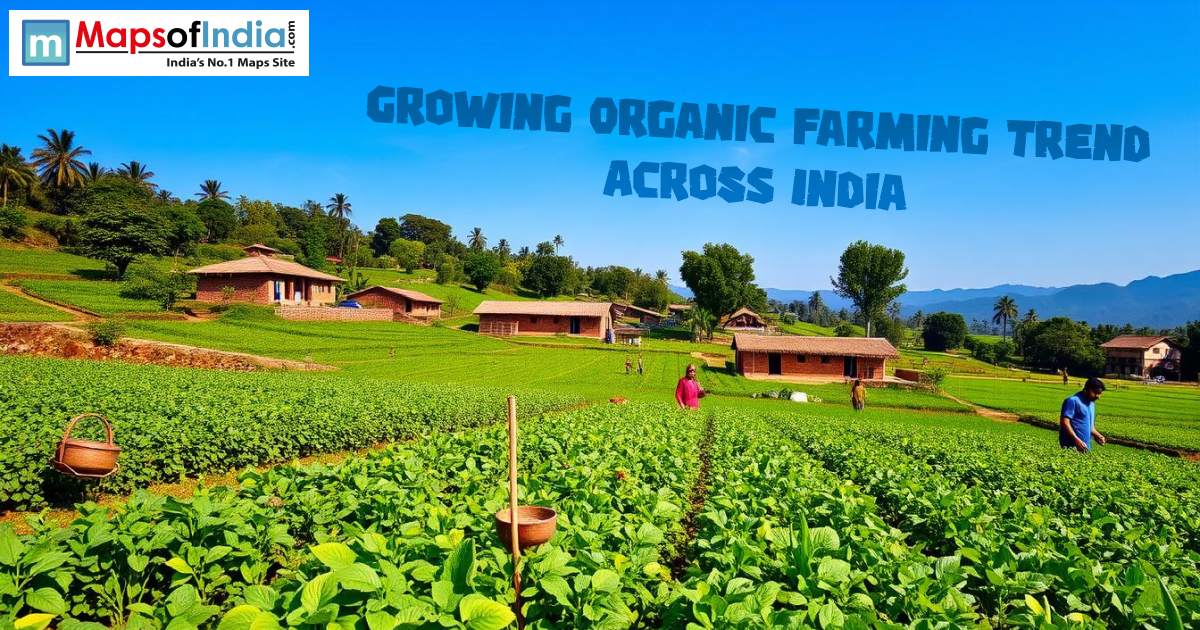
Farming without chemicals is getting popular in India. A growing number of growers are leaving synthetic inputs behind. Buyers now look for meals that feel clean and safe to eat. That push is sparking change nationwide. This kind of farming feeds the earth, saves nature, and boosts farmer pay. It’s more than a passing phase. This is what farming will become across India, built to last. One change leads to another, shaping how crops are grown tomorrow.
Why India Needs Organic Farming
India’s farms have relied on chemical inputs for many years. Yet these substances boost yields while damaging the earth's quality, contaminating water supplies. Farm workers, along with buyers, may suffer health issues because of them. Across various areas, land is weakening, and nature is getting polluted. Switching to natural growing methods helps ease such downsides. It relies on organic nutrients along with age-old techniques. That keeps agriculture gentle on the soil as well as communities.
The Return To Traditional Wisdom
Organic farming’s no stranger to India. it came first, way before chemical stuff showed up. Back then, folks relied on cow manure, leaf mulch from neem trees, or swapping crops each season. These tricks saved the earth's health while keeping ecosystems steady. Lately, today’s growers are switching back to those time-tested ways. They’re blending science into age-old practices. Because of this blend, outcomes improve while lasting impact grows.
Role Of Farmer-Producer Organizations
Farmers team up through groups that boost their chances. Yet these collectives handle ecolabels, plus get products ready for market. Because they join forces, growers gain stronger deals. So they reach buyers straight, keeping extra income. While such teams also lift life in country areas.
Technology Helps Organic Growth
Farmers today use handy gadgets to run their organic plots more smoothly. These apps dish out weather forecasts while sharing advice on keeping soil strong alongside news about pricing trends. Instead of chemicals, they rely on natural fertilizers along with bug-fighting solutions that come from plants. Improved ways to store crops, together with smarter shipping, cut down waste a lot. Gadgets and gizmos keep this kind of farming both sharp and worth the effort.
Organic Farming Boosts Biodiversity
Farmers who grow food without chemicals give wildlife a better chance. So more worms, bugs, and birds show up in those fields because they’ve got safer homes. That means healthier dirt and fewer pests messing with crops. Switching what’s planted each season keeps the land strong. Different plants mean happier ecosystems, right down to tiny germs in the ground or fluttering moths.
Challenges Farmers Face
Farming organically isn't simple. Recovery of soil after chemicals needs patience. Early seasons might bring smaller harvests. Learning new methods matters, along with getting certified and finding buyers. Paying for official organic labels often means high fees and long waits. These issues delay progress. Yet, when support is given, things start improving.
Certification And Trust Building
People want to know their food is really organic. That’s why checks matter, keeps things honest. Labels prove a product meets certain rules. Yet many growers find the steps tough to handle. Alternatives like local review groups help smaller farms out. They rely on neighbours watching each other’s work. More growers can join in without red tape.
Organic Farming Provides Better Income
Fresh farm goods usually cost a bit more. Farmers who are growing unique plants like millet, seasonings, or leafy greens tend to gain extra income. Selling straight at the market can boost their earnings. As interest grows, so do ways to make money. Lots of growers are switching to natural methods, not just for cash but for healthier days.
Urban Organic Farming
Cities are jumping on the organic bandwagon, too. Folks plant veggies atop roofs, in yards, or on balconies. Instead of just buying groceries, they’re harvesting their own, which eases tension while delivering crisp produce. Classrooms, workplaces, and apartment complexes now team up for shared gardens. That way, knowledge spreads not only downtown but out into rural spots.
Popular Organic Products In India
Plenty of goods dominate the organic scene now. Rice, wheat, pulses, plus fresh fruits, veggies, spices, and even tea are selling fast. Old-school crops such as millets are making a comeback lately. In fashion, cotton grown without chemicals is catching on quickly. All these signs point to one thing, which is that sector’s only going up from here.
Protecting Soil And Water Resources
Organic farming helps soil stay strong. With natural fertilizers, dirt gets looser while holding more water. This stops land from washing away. Because there’s no toxic stuff running into streams or underground sources, rivers stay cleaner. When water is pure and the earth stays rich, growing food later on becomes easier.
Organic Farming And Climate Change
Farming without chemicals can slow global warming. As plants grow, they pull carbon out of the atmosphere. Good-quality earth holds onto that carbon safely. That means fewer damaging gases go into the sky. Instead of heavy machinery or artificial inputs, it relies on natural systems, cutting down fuel and water use. When storms hit or rain vanishes, these methods help the land hold up better. Over time, this builds tougher food-growing spaces.
Women As Leaders In Organic Farming
Women who farm are central to this shift. Yet they handle compost, save seeds, while mixing different crops. Some women's teams operate organic collectives instead. Because of their lead roles, village incomes rise along with confidence. Since it’s chemical-free work, females gain fresh chances to craft sturdier ways to earn.
Growing Organic Market Across India
The organic scene’s picking up speed. Big towns Delhi, Mumbai, Bengaluru, Chennai, and Kolkata are topping the list when it comes to buying. Places popular with tourists, such as Goa or Kerala, are pushing organic spots like cafés and pop-up stalls. Instead of going out, folks now get their goods shipped through web shops. Expect things to move quickly from here on.
The Future Of Organic Farming In India
Farming without chemicals is growing fast. Young people are starting to see farm work as a real job option. Fresh rules along with teamups will boost how crops are taught, sold, and made better. People want more natural food. This trend won’t slow down. Right now, India could step ahead and lead the world in chemical-free farming.
A Step Toward A Healthier India
Organic farming isn't just popular, it's a change toward better living. This way of growing food keeps workers safe while helping those who eat it, along with nature. People get closer to real ingredients when they choose crops grown in untainted earth. The movement keeps getting tougher each day. Not just farmers but also shoppers are building a better tomorrow. India’s going back to old-style farming. Using clever tricks along with earth-friendly ways, organic growing is now central to how India farms.