What Makes Cholesterol Vital?
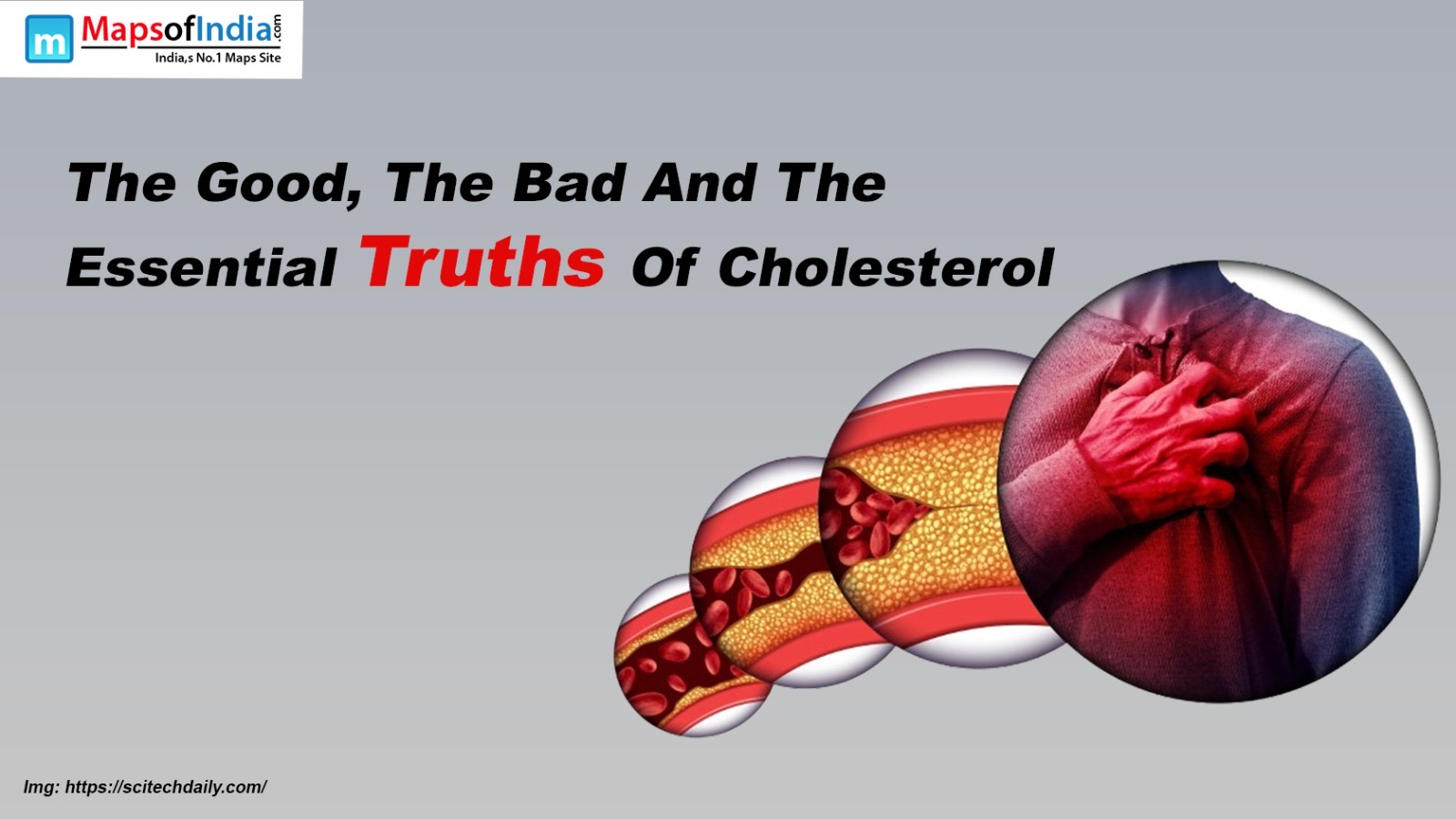
An amphipathic lipid is a cholesterol. It is present in our body's cells, lipids, and blood. Cell membranes and the human skin barrier are formed with its help. Additionally, it produces hormones and is vital for digestion. Cholesterol helps create vitamin D and is necessary for digestion, the construction of cells and cell membranes, and hormone synthesis—additionally, cholesterol aids in synthesising bile acids, which are essential for the human digestive system. Blood or water cannot dissolve fat or cholesterol. Rather, fat and cholesterol are packaged by the body into small, protein-coated particles known as lipoproteins. A large amount of fat may be transported by lipoproteins because they readily mix and flow with blood. While some particles are microscopic and dense, others are large and airy. Triglycerides, high-density lipoproteins (HDL), and low-density lipoproteins (LDL) are the most significant.Reasons for elevated cholesterol levels
Both heredity and lifestyle choices influence high cholesterol. Age, weight, gender, genetics, illnesses, and lifestyle are all factors that affect cholesterol levels. Among the lifestyle aspects are:- Tobacco usage and smoking: Smoking increases your "bad cholesterol" (LDL) and decreases your "good cholesterol" (HDL).
- Having a lot of stress: Your body produces cholesterol as a result of hormonal changes brought on by stress.
- Alcohol consumption: Excessive alcohol consumption might increase total cholesterol.
- Not getting enough exercise: Your cholesterol levels are improved by physical activity, such as aerobic exercise. Your body won't make enough "good cholesterol" if you work at a desk or spend a lot of time sitting down.
- Diet: Certain meals might cause your cholesterol to rise or fall. Healthcare professionals may occasionally suggest dietary adjustments or consult a nutritionist to discuss your diet.