Body parts can only do so much. Doctors have spent ages trying to push past those walls. When organs quit, the result is death for countless people each year. Some survive thanks to replacements, yet empty registries mean many never find a match. Waiting turns fatal more than once. Labs today are building whole organs from scratch. Beating heart patches come from stem cells now. Inside small dishes, tiny kidneys clean liquid bit by bit. Living layers stack up through printed patterns slowly. Speed surprises even those watching closely every day. Tests on people start without loud announcements ever. News shouts fast wins just around the corner, always. Truth crawls forward, step after quiet step instead. Grown-in-a-lab organs seemed impossible not long ago. Now the moment seems within reach. As if people are slowly remembering how to start over, piece by piece.
The Long Road To Lab-Grown Organs
Back in the 1900s, scientists started imagining lab-grown organs. Most early tries didn’t last long. Outside the body, cells just couldn’t survive. Then came tissue engineering, showing up in the 1980s. A breakthrough arrived when Vacanti placed what looked like an ear onto a mouse’s back year being 1997. That picture jolted everyone awake. Money started flowing in after that moment. Still, actual human organs stayed out of reach. Scientists got tangled in layers they could not untangle. Tiny blood pathways would not grow right. The body's defences shut down most attempts. Years went by, just tiny steps forward. It felt like scaling a peak that drifted higher with each stride.
Stem Cells Are Foundational Units
Everything shifted when stem cells came along. These embryonic kinds turn into whatever tissue the body needs. At first, arguments about ethics caused delays. Even so, scientists found a way forward with reprogrammed adult cells acting like embryonic ones. One way to start is with grown-up cells becoming flexible again. Winning a Nobel came after finding how this switch happens. From skin, beating heart tissue grows. Regrown liver pieces live outside the body. Brain cells link up as circuits do. Custom-made cells dodge immune attacks. It works because one cell type fits all roles.
3D Bioprinting Builds Structures One Layer At A Time
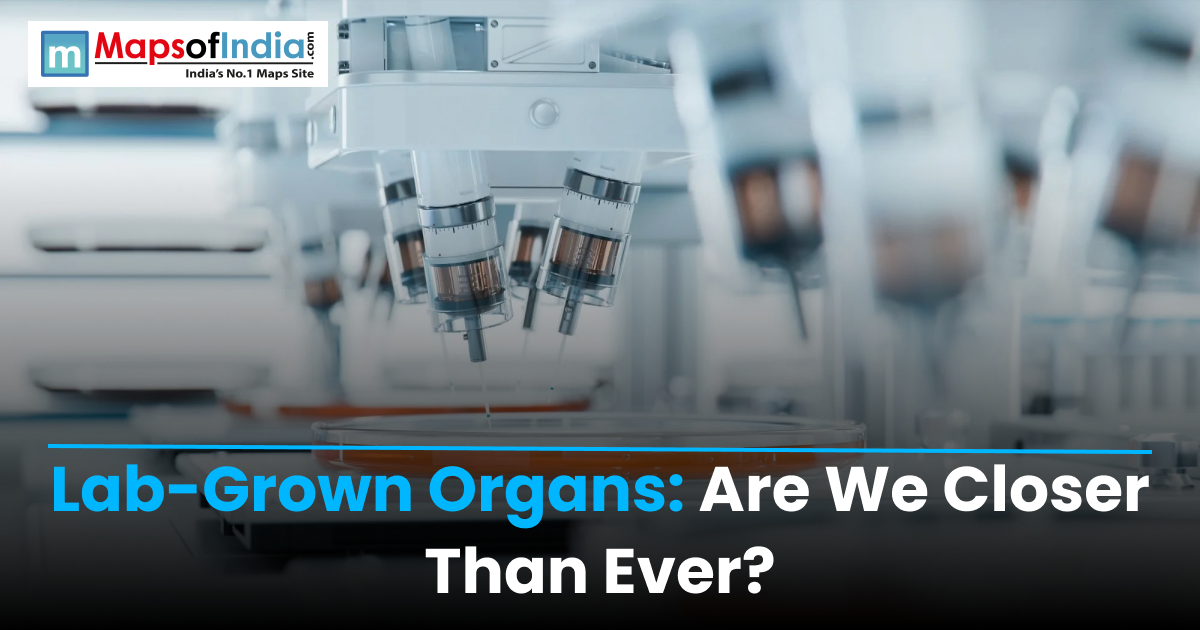
Tiny machines place living cells exactly where needed. From nozzle tips, gels packed with active cells begin to stream. One level forms after another, step by slow step. Beating heart patches pulse inside lab plates today. Kidney-like tubes clean out impurities without delay. Healing broken bones gets a boost from scaffold designs. Yet getting blood vessels into lab-made tissues still trips things up. Without circulation, the tissue cannot survive long. Scientists now print pathways using materials that wash away later. Once removed, open tunnels stay where ink once was. Much like wiring pipes into walls before finishing a room.
Mini Organs Grown In Lab Dishes
Starting from stem cells, these mini organs take shape slowly. Neural connections appear inside the brain suddenly. Fluid moves through the kidney types just like in real bodies. Drugs break down in the liver almost exactly as they do normally. Sometimes, animal tests fall short when compared to their performance. Tiny lab-grown tumours help pick patient therapies. Thanks to them, finding new drugs moves much faster now. Some hurdles still stand in place. They are extremely limited in scale. There is no circulation inside. Even so, they link single cells with whole organs somehow. Almost like scaled-down versions quietly pointing ahead.
Pig-To-Human Xenotransplantation Advances
Pig organs match human size, and they mature quickly. Scientists edit DNA to delete genes that trigger immune attacks. Using CRISPR, alpha-gal gets switched off while human traits are slipped in. In tests on bodies without brain activity, hearts kept beating for several days. Recent experiments showed kidneys stay active past a week. Survival rates haven’t improved much over time. Still, momentum is building faster than before. Access through special FDA pathways exists now. Risks tied to viruses continue to worry experts. It’s similar to using someone else’s body part, only different life forms are involved.
Biofabrication Scaffolds And Their Use
Starting off, scaffolds give cells a place to rest while they grow. Instead of building from scratch, decellularised organs offer a ready-made layout. Take pig hearts once emptied of their own cells; these turn into frameworks. Over time, human cells begin to move in and spread across the space. Tiny bridges made of melting plastic support new cells. As living parts spread, the structure fades away. Jelly-like layers act like real body spaces. Chemical signals steer how cells move and change. Tiny tubes form within the frame during printing. Much like poles around a construction site, staying only until strength arrives.
Breakthroughs In Vascularisation
Inside us, little channels keep leading to trouble. Blood stops moving, then parts of the body start failing quickly. Right now, researchers craft those small passageways by hand. Certain substances shape routes that remain clear after placement. Tiny tubes begin forming inside artificial tissues, like roads slowly connecting. Blood vessel cells crawl through these pathways instead of staying put. Connections form between fresh and old networks while recovery happens. Steady flow continues for weeks when tested in animals. Little pipelines emerge where none existed before.
The Path To First Human Trials
What with all the real organs will be real enough to be transplanted, a lot of time is for a long time, goes by. However, small pieces of cultured tissues are already helping people. As a matter of fact, lab-grown skin is used for the treatment of acute burns. Besides that, layers of engineered cartilage are an additional support to damaged joints. Functional implants have been derived from bladder scaffolds. Not too long ago, animal experiments have caused great progress in the heart therapy area. Then, the lab-grown kidney pieces were not far behind. One small victory quietly accumulating. Progress is moving forward in places where it fits.
Economic And Accessibility Challenges
Today, it costs way too much. One synthetic organ can hit six figures. Without affordable bioreactors, progress stalls. Still, scaling up seems possible eventually. Fewer workers are needed when machines take over, so costs drop. Money from governments flows into research about these changes. It remains uncertain if insurance companies will cover the bills. Some nations with tighter budgets might get left behind entirely. Just like past medical breakthroughs, access depends on who can pay.
The Hope And Human Impact
A quiet fix could clear transplant waitlists forever. Donor gaps vanish overnight. Immunosuppressive drugs fade from necessity. Perfect tissue matches arrive for every patient. The threat of rejection shrinks fast. Daily living gets far better without constant medical strain. Long-term illnesses turn treatable instead of permanent. It feels like returning health to countless lives, one at a time.