Kabaddi’s been around forever in India. This sport mixes power with smart moves, endurance, also split-second decisions. Over time, it grew from village roots into something people celebrate. No gear needed, just space, plus players ready to go. This lets folks, young and old, jump right in, flowing from one move to the next without hassle. Teamwork shines here, mixed with grit and steady focus that builds over time. You could say it carries the heartbeat of how India plays its games. Simple rules but wild fun. That’s why kids still chase after it like their parents once did.
The Origin of Kabaddi in Ancient India
Kabaddi likely started ages ago. A few tales tie it to old Indian fighters using it for power and quickness. Certain accounts place Kabaddi during the era of the Mahabharata. It helped boost endurance and self-assurance. Across numerous rural areas, kids are trained in this sport every day. It turned into a sign of courage along with strength. As years passed, the sport moved through India, also turning up at celebrations or community events.
Why Kabaddi Became Popular in Villages
Kabaddi is a simple game to play. No fancy equipment or court needed. Just an empty space works fine. That’s why it spread fast in villages with little access to stuff. Folks, young or older, jumped into games once farm work ended. Kabaddi kept folks active while building toughness. Yet it also boosted teamwork through shared effort. Simple guidelines meant nearly anyone could join in. Because the game moved quickly, it added energy to village festivals or town events. Over time, neighbours just began teaching it to younger ones without thinking much about it.
The Cultural Significance of Kabaddi
Kababbi isn't just a game in India, it's part of life. Across regions, folks play it at events like harvest festivals. Sometimes, it’s about showing hometown spirit. Locals gather, yelling loudly for their side. The chants, mixed with claps, boost the excitement. Playing builds self-control along with sharp attention. This sport shows age-old Indian ideas like standing together instead of working alone. It ties folks back to where they come from, plus everyday ways of living.
Regional Variations Across India
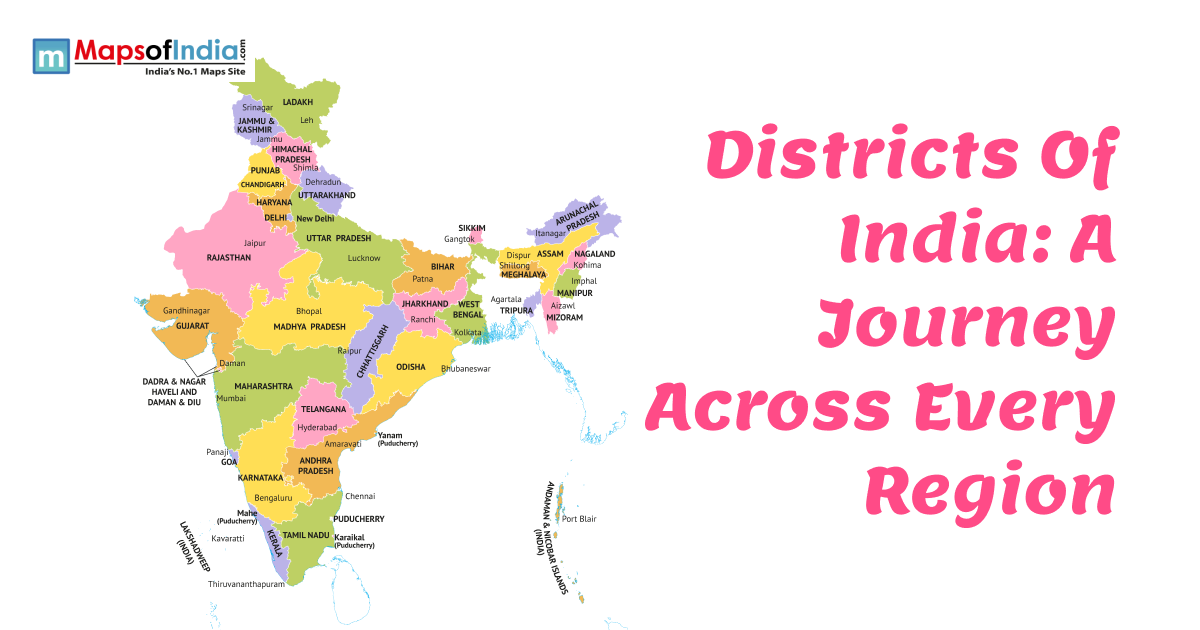
Kabaddi looks different in parts of India. Still, every area plays it their way. For instance, folks down south call it Sadugudu in Tamil Nadu. Over in Punjab, they go harder more stronger, more speed. In Maharashtra, old-school styles focus on quick moves and sharp skills. Over in Andhra Pradesh, along with Telangana, the game swings fast but still smart. Each twist reflects how close this sport sits within everyday Indian culture. Even when rules shift from place to place, the core aim stays unchanged. That mix of sameness amid variety. That’s what turns Kabaddi into something uniquely Indian.
Rules That Make Kabaddi Unique
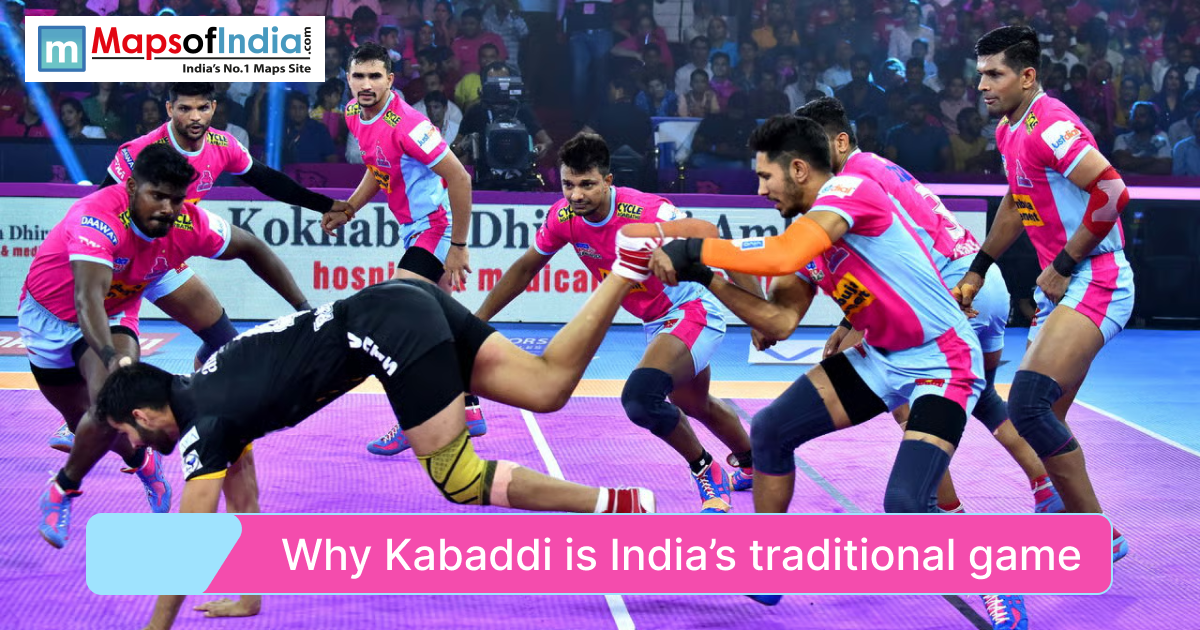
The game of Kabaddi is super straightforward but full-on wild. Teams face off across a field, each squad staying put at first. One person, the attacker, dashes into enemy space looking to slap opponents one after another. While doing it, they’ve gotta keep yelling “Kabaddi,” nonstop, no gasping allowed. The rivals aim to block the attacker, stopping any getaway. This sport demands both power control along sharp thinking. Folks on the field stay wide awake each moment. Such guidelines keep Kabaddi thrilling to view but tough to master.
Physical and Mental Benefits of Kabaddi
Kabaddi gives your body a full run. It boosts muscles, breathing power, or reaction speed. Athletes practice fast movement while keeping balance when charging forward. This sport wakes up the brain since strategy mixes with split-second choices. Players learn to watch rivals, then act quickly. Since moves link together, team spirit grows during play. The sport pushes body strength while sharpening focus. Lots of youth pick it up just to stay sharp and strong.
Kabaddi in Schools and Local Clubs
Kabaddi’s a common game in Indian schools. Kids are pushed to join since it doesn’t cost much, and they stay safe with good supervision. Local teams run games for young ones now and then. Mini leagues like these spot kids who’ve got real skill. Plus, they pass down the culture to those just growing up. Kabaddi connects people while giving young ones a reason to move more. This sport pushes good health habits across villages as well as cities.
The Rise of Competitive Kabaddi in India
Kabaddi slowly turned into a proper game. Besides state events, national contests also started popping up. Coaching hubs opened to help kids play better. Because of this growth, people began taking it more seriously. India built tough Kabaddi squads, then smashed it at global tournaments. That fired up national pride big time. After a while, pro leagues pumped fresh life into the game. Fans from urban spots and overseas slowly got hooked. They started noticing how much brains and technique go into playing.
How the Pro Kabaddi League Changed Everything
The Pro Kabaddi League kicked off, putting the sport in the spotlight. With a fresh new look, it highlighted how the game really works. Viewers got to see games live on TV screens at home. Top athletes turned into household names almost overnight. New rules, such as tighter clocks or cool tech, took things up a notch. Packed arenas buzzed with loud fans yelling nonstop. Kids eyeing the field pictured themselves on pro squads one day. That makes Kabaddi a youth favourite game across towns. In turn, India began seeing its old game in a whole new light.
Kabaddi as a Symbol of Indian Strength
Kabaddi reflects India’s grit, not just sport but spirit. A basic folk pastime stands tall beside flashy leagues. Old customs fuel pride without needing hype. Right now, it carries strength shaped by struggle. Together, players show what shared effort can do. This sport helps you to understand why being fit matters. It also builds strong minds. This game has a lot of value among common indians, this game feels close to their hearts.
Final Thought
Kabaddi moved from village grounds to big arenas, and it's motivating. This sport shows how rich Indian culture can be while lighting up fans everywhere. Simple rules, but they pack a punch. The roots of this sport are old, carrying many traditions. Kabaddi is still liked by many. The sport isn't merely a pastime. This connects to many people and helps them to identify themself. It's more than rules and scores. Actually, it shows pride in culture.