China’s Skyscraper: Where Level 22 Is The Ground Floor
Vidyut Vardhan June 27, 2026
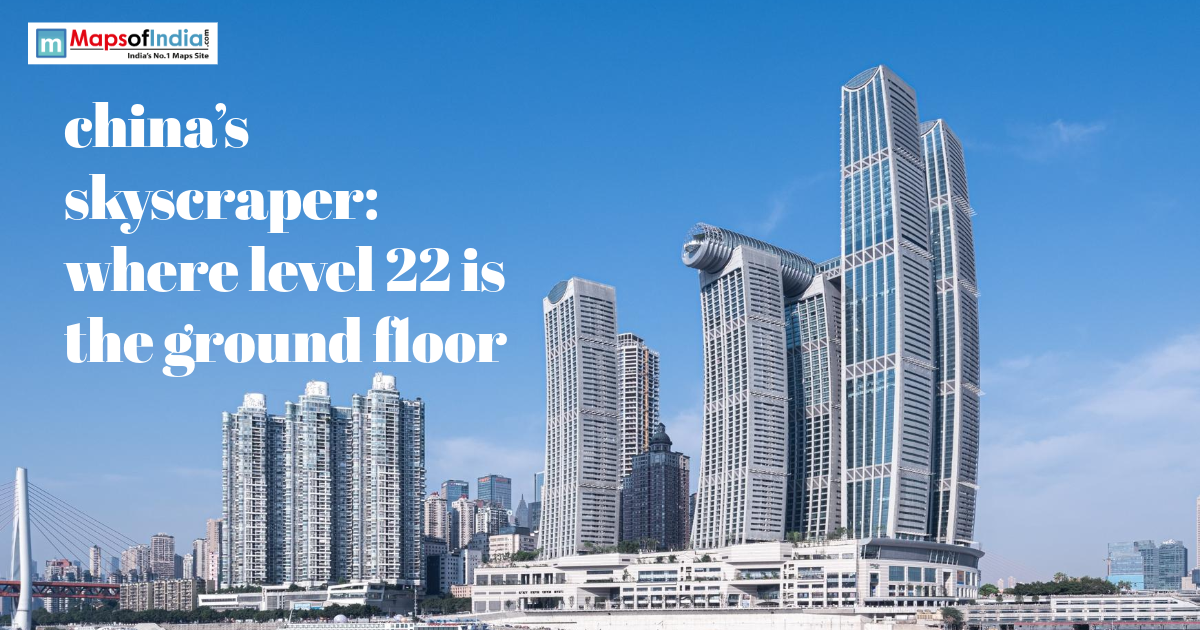
China constructs towers above street level, rising to record heights. Not all bottom stories are like normal. Designers make different designs, people steer clear of some digits, floors leap ahead, and residents may be entering on twenty-two. Steel beams and glass walls are side by side with superstition. Others disappear simply to make tenants feel at ease. Elevators stop partway up and connect to spaces by sky bridges. Tall structures serve as symbols, but they also provide answers to daily needs. Floors reset expectations, skip fours, miss thirteens. Living space is floating above ground. These forms have contributed to the form of the city as it is today.
The Cultural Reason Behind High Floor Numbering
In China, there are some unlucky numbers. Four sounds close to the word death cause the death to disappear in many levels of buildings. The thirteen and fourteen floor numbers go out of existence just as quickly. Builders skip to the next number, 20, 22 or further. Early levels contain machines, cars or retail outlets. This habit is most noticeable in the high-end apartment buildings and skyscrapers. The forming without noise in the way the floors are named and lived in in China's loftiest buildings an almost subliminal belief.
Engineering and Structural Necessity
Space hides down in the depths of some Chinese towers under thick base layers of machines, lifts, and support frames. They are really thick and brace the core, preventing normal room use down low due to their swaying when winds are pushing. Floors designed for people start well up off the street view. The "Level One" on the map could be quite a distance from real life. Go through your door up high, and you make it to what seems like ground, even if your ground is twenty-two floors up. Tradition also has an influence, and numbers have a part in decisions that is equal to that of steel. The sky homes soar due to structure speaking louder than pavement.
Shanghai Tower: A Prime Example
The 632-metre tower is China's tallest structure, located above Shanghai. It is labelled 128 floors, but Office open long before that number is reached. As opposed to desks that are down low, space is occupied by machinery and a wide base structure. Those who are ascending experience the change; it is abrupt stillness after urban noise. It would appear that it is the entry, but really, it is the foundation; real life begins much later. The tower ascends upwards, encircling itself and the green spaces floating between floors. Life begins here at elevations that other buildings just don't reach.
Luxury Positioning and Status Symbol
In Chinese paintings of houses, high is higher in status. The units start at Floor 22, where they receive a special designation with clear sightlines, quieter spaces, and cleaner breezes. This information extends costs a lot further up from ground-level units. When people purchase, they think tall equals triumph; it's almost like they are purchasing a trophy in the skyline. Ads mention floating above smog, even if very low to the ground, and that's considered "penthouse life". In the midst of a booming urban area, elevation becomes proof of arrival.
How Daily Routines and Living Feel Change
Each morning is unique here! In a matter of moments, quick lifts take people up from the pavement to their home base. Getting on the high-up halls with a faraway view of the city becomes a routine. But when the lift queue is long during busy periods, time slows down! Sometimes, not being connected to the sidewalk beat means feeling isolated. Life up above is silent; far from the noise below. A level of personal space exists where land and line meet. Few people are aware of how it feels to be at a place with a lot of silence and open views at the same time.
Future Trends in Chinese Skyscraper Design
At the top, cities get legs. China is stacking glass towers higher and higher. Rooftops are now connected by sky bridges. Life rises upward, floor by floor, past the street-level, above street level. Consider houses that sit atop all the birds. Clouds give way to offices nestled next to peaceful green terraces. Old Trains did not travel as fast as speed lifts do through shafts. All zones operate independently, and automatically regulate light, air and power. This is NOT magic, just careful wiring and constant data flow. Homes nestled with offices, shops dangling from the sky like vines from cliffs. The ground is out of sight, out of mind of the above. People change their ways when their height does.
Environmental and Sustainability Factors
Raised houses on tall buildings raise large concerns for nature. However, today's builders embrace clean tech, more efficient power consumption, and even walls covered in plants to reduce pollution. Some new designs capture the rain, capture the sun's energy with panels, and also use smart airflow systems. Over time, this shift will show a greater inclination towards more ecological towers, more and more, in China. It is like having towering giants slowly balancing with trees below.
Worldwide Impact and Building Design Ideas
The buildings are rising in different ways today, designs that were first observed in China. The floors are numbered in a fashion that does not fit into the pattern, in a secret way, to honour tradition but to reach higher. All over Dubai, Singapore, and Milan, new towers rise to their heights, emblemizing these quiet metamorphoses. It's a fusion of culture and steel, both forward-thinking and grounded. Not only by height do they define them, but also something more subtle. An attitude is contagious. The tones of the skyscrapers are those of the East. Once these forms were not known outside this country; they are becoming more and more popular every year.
Challenges Faced by These Mega Structures
Improvements to the problems of tall buildings. They cost a lot to maintain due to their high repair costs, and they have a high altitude. Translation is a movement of people and materials within the interior, not a fix, which must be well planned. Technologies should continually change to keep up, and should not rely on outdated parts. Good designs are wind and earthquake resistant and are yet at the limit! Slow intervention from a distance makes it more difficult to deal with fires. People in remote areas depend on well-functioning smart networks: Smart networks are reliable and fail-avoidant. The coming of the high is accompanied by the weighty responsibility and astute solutions.