Venezuela Earthquake 2026: 235 Dead, Over 4,300 Injured as Rescue Operations Continue
Abhishree Sharma June 26, 2026
Hundreds of people in Venezuela died, and thousands more were injured and damaged by a devastating earthquake, which, in several regions of the country, caused powerful tremors. It was among the strongest earthquakes to hit Venezuela in more than a century. It caused widespread destruction, damage and large-scale rescue and relief operations.According to initial reports, at least 235 people have lost their lives, while more than 4,300 people have been injured. Emergency crews are sifting through debris and rendering aid to victims searching for anyone buried under collapsed buildings, and rescue and treatment efforts are underway.
Powerful Earthquakes Shake Venezuela
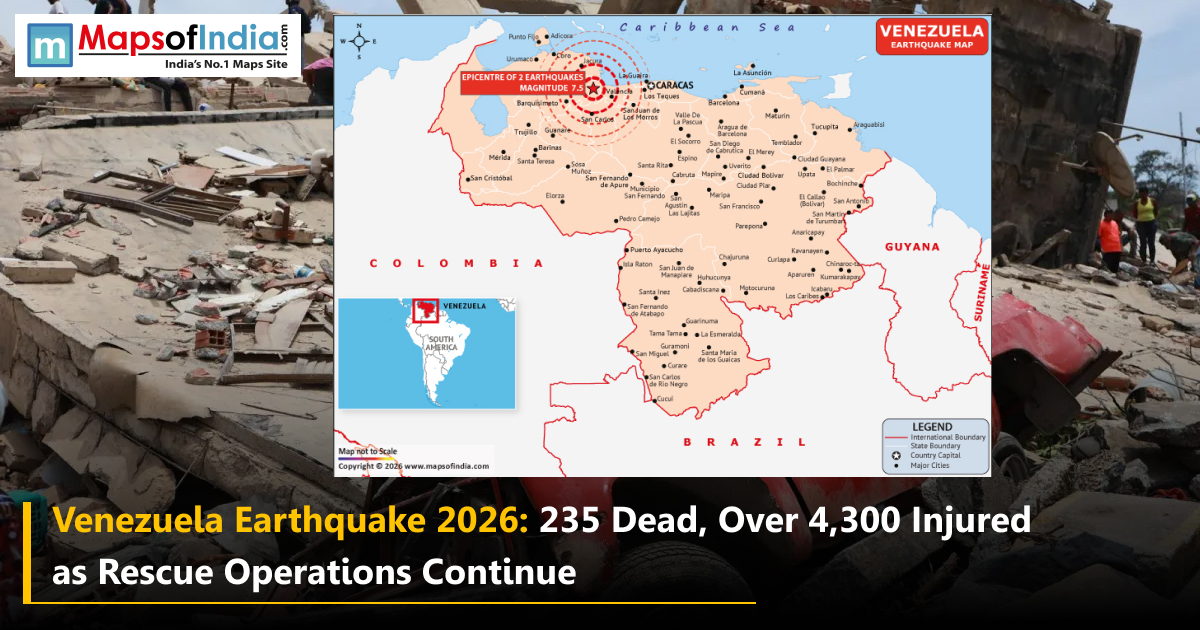
It was two major back to back earthquakes that occurred in Venezuela, including a magnitude 7.5 mainshock preceded by a magnitude 7.2 tremor, that set the major humanitarian crisis. The strong vibrations were felt in several areas, including in the vicinity of the capital city, Caracas and other areas nearby.The earthquake jolted people, some of whom rushed out of buildings as a result of the shaking. Damage to several residences, businesses and public buildings, as well as loss of power and communication problems in some areas.The strength and location of the earthquake made its impact more pronounced and increased its impact in populated areas. Immediate efforts were made to estimate the damage and to start emergency response actions.
Epicenter and Affected Areas
The epicenter of the Venezuela earthquake was located near Morón, west of Caracas, close to Venezuela's Caribbean coastal region. The powerful tremors spread across a wide region that included several cities and communities. Strong shaking was reported with structural damage, loss of power and emergency evacuations in areas such as Caracas, La Guaira, Carabobo and its vicinity. Thousands of people were evacuated to safer areas in some parts of the country, and many buildings collapsed, as the intensity of the earthquake was felt in several parts of the country. The rescue efforts have been concentrated in the hardest-hit areas where infrastructure has been damaged, and people are stranded.
Heavy Casualties and Widespread Damage
The earthquake in Venezuela is one of the most serious natural disasters in recent years due to the increasing loss of lives. Rescue workers said that numerous victims were discovered where buildings collapsed under the impact of the earthquake.Thousands of injured people were rushed to hospitals and temporary medical centres. The medical and emergency response teams are on the ground, providing support to the affected population, while the government is working to ensure the provision of basic services and supplies to the affected communities.Rescue was difficult as a number of roads and transport routes were affected by debris and structural damage. Emergency responders are searching buildings that have collapsed with the help of specialized equipment in hopes of finding anyone who may be trapped.
Rescue Operations Continue
Rescue workers, fire and police officers were deployed, and volunteers also went to help the people in the affected areas. The search-and-rescue is ongoing because authorities suspect that there may be more people still missing.Rescue efforts are being focused on damaged areas that have seen reports of people trapped inside. There is careful excavation of rubble to prevent further collapses and aid the chances of being able to find survivors.Authorities have also set up a temporary shelter for people who had to evacuate their homes due to damage or safety concerns. Food, water, medical supplies and emergency support are provided to displaced families.
Government Response and Emergency Measures
The Venezuelan government has announced emergency measures to manage the crisis and coordinate rescue efforts. Officials are working with local authorities to evaluate the extent of destruction and provide immediate assistance.Emergency response agencies have been placed on alert, and additional resources are being sent to areas facing the greatest damage. The government has urged citizens to remain cautious, follow safety instructions, and avoid entering damaged buildings due to the risk of further collapses.International humanitarian support may also play an important role in the recovery process, especially if rescue operations continue for several days.
Why Earthquakes Cause Severe Damage
High magnitude earthquakes can do a lot of damage, particularly in regions where there are high population density areas with older buildings. If released below the earth's surface, the energy can cause buildings to be destroyed in seconds by causing intense vibrations.The effects of a tremor will vary based on the quality of the building, the depth of the tremor, the population density in the area and the people's preparedness for earthquakes.The extent of shaking has created significant issues accessing communities in Venezuela, due to damage to infrastructure.
Impact on Local Communities
The earthquake in Venezuela has had a huge impact on thousands of families. A number of deaths and destruction of property and possessions have occurred. During the quakes, the population described scenes of fear and confusion when they were running away from collapsed buildings.Community organizations and volunteers are also helping official rescue efforts by supplying items and helping those affected. The next few weeks will be a priority in the rebuilding of homes and restoration of services.
Recovery and Rebuilding Challenges Ahead
Rescue efforts are underway, but Venezuela will have to deal with a prolonged recovery period following the earthquake. Damage to facilities, damage to homes and support to affected families will be a difficult task that will take considerable resources and coordination.Experts are stressing the need to enhance earthquake preparedness, bolster construction of buildings and build a more robust disaster response system to mitigate the effects of future earthquakes.
Conclusion
The earthquake in Venezuela has resulted in human tragedy with hundreds dead, thousands injured and property destroyed in the affected region, leading to a huge humanitarian crisis. Rescue operations are on, and help is being provided to the victims and others in an attempt to save lives.The next few days will be critical, as the search for the missing persons continues, damage is assessed, and the long-term recovery is planned. The last disaster serves as a reminder of the unpredictable nature of earthquakes and the importance of being prepared, having good infrastructure and responding in an emergency.