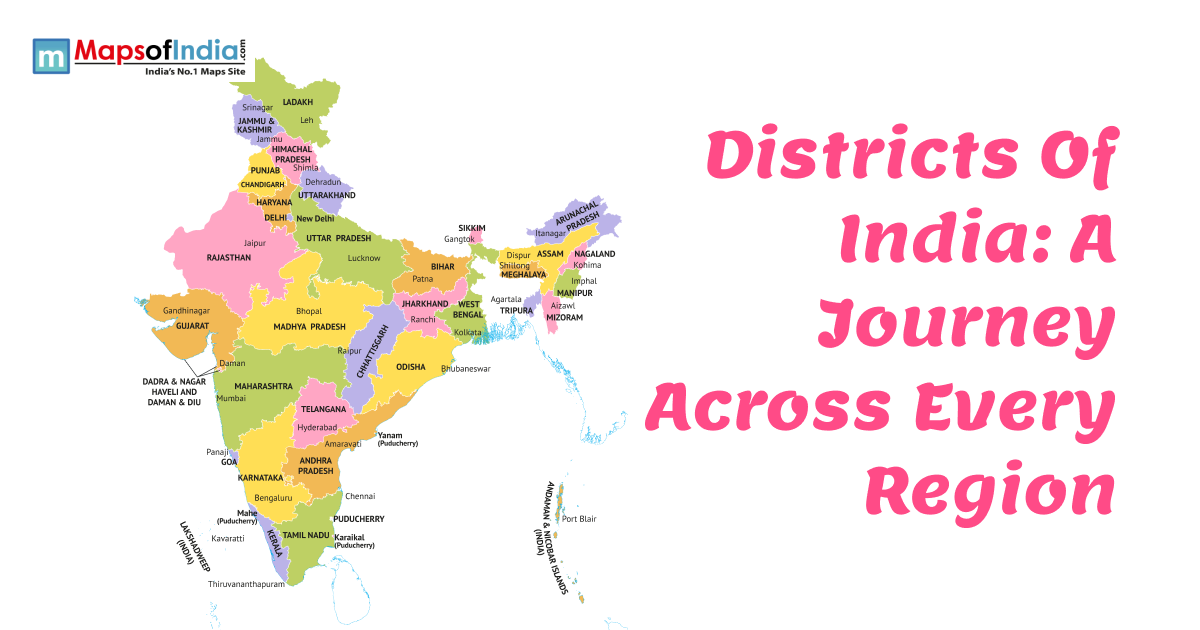
Tihar Jail, located in Tihar Village in Delhi NCR, is Asia’s largest prison complex system. It is perhaps the best-known prison in India and has housed some very prominent convicts and under-trial VIPs of the country.
Prior to the year 1958, the government of Punjab maintained a small jail in the vicinity of the Delhi Gate area. Later this was moved to Tihar Village. Initially only one jail with a capacity of 1,273 prisoners was commissioned but soon a number of other jails were added to the complex. In 1966, the Delhi Prisons Administration took over the maintenance of the complex.
Recent Spate of Deaths
Last week on Thursday, two convicted inmates of the Tihar Jail's high security enclosure were found dead. The circumstances leading up to their death are reported to be mysterious and the incident has resulted in an administrative backlash. It is believed that the two inmates died after using some drug that had been smuggled into the prison. A mere three days before the incident another under-trial, Ajay, was stabbed to death by fellow inmates. These are not isolated incidents. Violence and jail fights have become a routine issue at the Tihar Ashram (jail). In 2014, 25 Tihar inmates died in prison and about seven incidents of blade attacks were reported from the jail. About seven mobile phones were found to have been smuggled into the premises.
In 2012, about 18 deaths were recorded within the jail premises. This includes two inmate suicides. The following year, the death count of prisoners in the Tihar facility increased by 100 percent to 36. That same year some 17 jail personnel were suspended from work due to complaints registered against them. Allegations of corruption were registered against 35 officials working at Tihar jail and inquiries were initiated against them. While it does seem apparent that the prison facility at Tihar is inadequately equipped to contain the growing spate of violence and in maintaining discipline and decorum, jail officials have a different story to tell.
Tihar: Bloated Beyond Sanction
Tihar Central Jail has the second highest occupancy rate of inmates in the country. The Tihar prison complex has nine central prisons. The sanctioned capacity for the entire complex at Tihar is 6,250. The actual population at Tihar, however, is over 13,552. In 2013, the population of the prison was over 14,000.
According to recent news reports, one of the greatest challenges faced by the jail authorities is managing the huge crowds of inmates. Facilities are stretched. Health, hygiene, discipline and resources are falling as a consequence. While a number of inmates have been granted bail, most of them cannot afford to pay the bail amount required to leave the jail premises. On an average bail amount set for inmates who are eligible is between INR 5,000 and INR 30,000. Another major issue is that the jails in the complex are additionally filled in with under trials along with the convicts.
Health Issues at the Tihar
Every cell and every corner of the prison complex is packed. The health issues at Tihar climb with the number of inmates. In 2011, out of 11,800 inmates, about 340 tested positive for HIV according to the Integrated Counseling and Testing Centre (ICTC). At the time, the revelation came as a shock to prison authorities but soon those tested positive were given treatment free of cost. In 2014, prison authorities revealed in response to an RTI query that there were 78 HIV positive inmates at the time. In the facility's medical department, about 52 of the 110 sanctioned posts were reported vacant by end of last year.
A severe shortage of sweepers and Class IV staff is reflecting in the poor standards of hygiene in the complex. Of 84 sanctioned posts for sweepers in the premises, about 33 posts are vacant. Similarly, among the 116 Class IV posts sanctioned only 72 have been filled in. Of the 1,357 sanctioned jail cadre posts in the jail, 373 posts including 272 warder positions were reported vacant as of November 2014. Maintaining physical and mental morale of the inmates is becoming increasingly difficult.