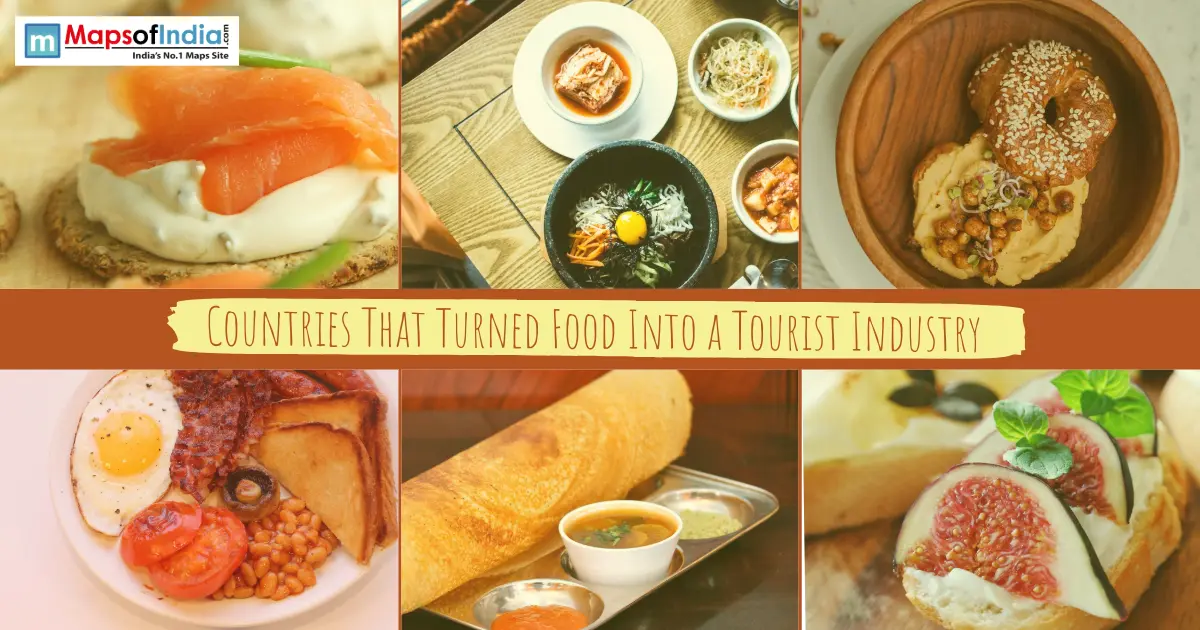
Food tourism is travel where the cuisine itself is the main reason for the trip, not just something you happen to eat along the way. Countries like Italy, Japan, Thailand, and Peru have all built genuine tourism strategies around food, backed by government branding, Michelin expansion, and food-focused travel infrastructure. This guide covers the food tourism countries doing this best, and exactly how they pulled it off.
What Is Food Tourism?
Definition and Scope of Gastronomy Tourism
Gastronomy tourism covers everything from a cooking class in Tuscany to a street food crawl in Bangkok. What ties it together is intent. The food isn't a side benefit of the trip. It's the whole point of going.
Market Size and Growth
Here's an honest heads-up. Market research firms genuinely do not agree on how big this industry actually is. Estimates range from around $17 billion up to well over $1 trillion, depending on whether a report counts only booked culinary tours, or all food-related travel spending globally. That's a huge range, and no single number should be treated as gospel. What every report does agree on, consistently, is the direction: strong, sustained growth, with Asia-Pacific now leading global market share.
How Countries Turn Food Into a Tourism Strategy?
Government-Backed Culinary Branding
This is sometimes called gastrodiplomacy, and Thailand basically wrote the playbook. Its "Thailand: Kitchen of the World" campaign, launched by the government in the early 2000s, deliberately promoted Thai cuisine abroad to drive both restaurant exports and tourism at home.
Michelin Guide Expansion as a Tourism Lever
When Michelin adds a new city or country to its guide, tourism follows. Bangkok got its own Michelin Guide in 2017. Tokyo has held the title of the city with the most Michelin stars in the world for years running. Each new Michelin edition effectively hands a country a built-in marketing campaign.
Food Festivals and Events Calendars
A packed annual food festival calendar gives travellers a specific reason to book a specific week. Lyon's Fête de la Gastronomie in France and countless regional food weeks across Italy and Spain all function this way.
Culinary Trails and Food Tourism Routes
Structured routes, wine trails through Tuscany, tapas routes through San Sebastián, turn eating into an itinerary rather than a random series of meals.
Italy: Regional Cuisine as National Identity
Signature Dishes and Regions
Italy doesn't really have one national cuisine. It has twenty regional ones: Neapolitan pizza, Bolognese ragù, Sicilian seafood, each fiercely distinct and fiercely defended.
Tourism Infrastructure
Agriturismo, farm-stay accommodation built around home-cooked regional food, has become a genuine tourism category of its own. Add in cooking classes, wine tours, and DOP-certified food trails, and Italy has built one of the most mature food tourism infrastructures anywhere.
What Makes It Work
Italy also gave the world the Slow Food movement, founded in the 1980s specifically to push back against fast food and protect regional culinary tradition. That philosophy now underpins much of the country's food tourism identity.
Japan: Precision, Michelin Stars & Food as Craft
Signature Dishes and Regions
Sushi, ramen, and kaiseki, Japan's traditional multi-course dining, each represent a completely different register of Japanese food culture, from casual street stalls to formal, seasonal fine dining.
Tourism Infrastructure
Tokyo consistently holds more Michelin stars than any other city on Earth. Washoku, traditional Japanese cuisine, earned UNESCO Intangible Cultural Heritage status in 2013, cementing food as a core part of the country's cultural tourism pitch, not just a practical necessity for visitors.
What Makes It Work
Precision and craftsmanship are the actual selling point here. Watching a sushi chef train for years before ever touching fish for a paying customer is part of what draws serious food travellers to Japan specifically.
Thailand: Street Food as a National Brand
Signature Dishes and Regions
Pad thai, tom yum, and Bangkok's sprawling street food scene define Thailand's culinary identity abroad, alongside strong regional variation between the north and south of the country.
Tourism Infrastructure
Bangkok's street food culture is so central to the country's tourism identity that losing access to it during any street vendor relocation efforts has repeatedly sparked public debate about protecting it as a tourism asset.
What Makes It Work
Government-backed promotion, paired with genuinely world-class street food at low prices, gives Thailand an accessibility edge that pricier fine-dining destinations simply can't match.
Peru: The Gastronomic Revolution
Signature Dishes and Regions
Ceviche and Peru's staggering potato diversity, over 3,000 native varieties, anchor a cuisine built on deep indigenous ingredients blended with Spanish, Chinese, and Japanese influence.
Tourism Infrastructure
Chef Gastón Acurio is widely credited as the driving force behind Peru's modern culinary rise, helping push Peruvian food onto the world stage over the past two decades. Lima's restaurant Central has repeatedly ranked among the World's 50 Best Restaurants, giving the country a genuine fine-dining flagship alongside its street food scene.
What Makes It Work
Peru turned indigenous ingredients into a source of national pride rather than something to move away from, and built its global culinary reputation directly on top of that identity.
France: The Birthplace of Culinary Tourism
Signature Dishes and Regions
Champagne, Burgundy wine country, and Lyon's reputation as France's unofficial gastronomic capital all anchor a food tourism identity that's arguably the oldest in the world.
Tourism Infrastructure
The Michelin Guide itself was born in France, back in 1900. The "gastronomic meal of the French" earned UNESCO Intangible Cultural Heritage status in 2010, a rare case of an entire national dining tradition, not just one dish, receiving that recognition.
What Makes It Work
France essentially invented the modern concept of fine dining as a travel draw, and its wine regions turned agricultural tourism into a global category decades before most countries caught on.
Spain: Tapas Culture and Food Festivals
Signature Dishes and Regions
Tapas, paella, and San Sebastián's astonishing concentration of Michelin stars per capita make Spain a genuine heavyweight in European food tourism.
Tourism Infrastructure
San Sebastián alone holds one of the highest densities of Michelin-starred restaurants anywhere in the world relative to its small size, drawing serious food travellers who'd otherwise default to Paris or Barcelona.
What Makes It Work
Spain pioneered modern culinary experimentation too, largely through Ferran Adrià and the legendary El Bulli restaurant, which helped put avant-garde Spanish cooking on the global culinary map.
Vietnam: Street Food Meets Global Recognition
Signature Dishes and Regions
Pho and banh mi have become genuinely global exports, and Hanoi's Old Quarter and Ho Chi Minh City's street stalls now anchor dedicated food tour circuits for international visitors.
Tourism Infrastructure
Vietnam has leaned hard into street food tours and culinary education experiences specifically, positioning itself as a more affordable, equally authentic alternative to Thailand's street food scene.
What Makes It Work?
Rapid global recognition of just two dishes, pho and banh mi, gave Vietnam an outsized culinary identity relative to its overall tourism footprint, and the country has used that momentum well.
Food Tourism at a Glance
Country | Signature Draw | Best Time to Visit | Food Tourism Strength |
| Italy | Regional cuisine, agriturismo | April–June, Sept–Oct | Mature, structured infrastructure |
| Japan | Precision dining, Michelin density | March–May, Oct–Nov | Highest Michelin star count globally |
| Thailand | Street food, government branding | Nov–Feb | Strong gastrodiplomacy model |
| Peru | Ceviche, indigenous ingredient revival | May–Sept | Fast-rising fine dining reputation |
| France | Wine regions, Michelin origin | April–June, Sept–Oct | Oldest culinary tourism identity |
| Spain | Tapas, Michelin density per capita | May–June, Sept | Culinary innovation hub |
| Vietnam | Pho, banh mi, street food tours | Feb–April, Aug–Oct | Fast-growing, affordable alternative |
How to Plan a Food Tourism Trip?
Best Food Tours by Region
Look for small-group, locally guided street food tours in Asia, and structured wine or farm-to-table tours in Europe, since the two regions favour genuinely different formats.
Budgeting for a Culinary Trip
Street food-centred trips through Thailand or Vietnam can run remarkably cheap per meal, while fine-dining-focused trips through France, Japan, or Spain's Michelin circuit require a much bigger daily food budget. Decide which experience you actually want before booking flights, since it changes your whole itinerary.
Conclusion
Every country on this list took a different route to the same result: turning food from a byproduct of travel into the actual reason people book the trip. Government branding, Michelin expansion, and genuine culinary identity all played a part, in different mixes, for each destination. Wherever you're headed next, chances are good the food itself, not just the scenery, is quietly doing a lot of the marketing.
FAQs
Which country has the best food tourism?
There's no single agreed answer, since it depends on what you value. Italy leads on structured infrastructure, Japan leads on Michelin density, and Thailand leads on accessible street food branding.
What is gastronomy tourism?
It's travel primarily motivated by a destination's food and drink, covering everything from Michelin-starred dining to street food tours, cooking classes, and wine trails.
How much does food tourism contribute to GDP?
This varies enormously by country and by how a report defines "food tourism," and market estimates for the global industry range from roughly $17 billion to well over $1 trillion depending entirely on methodology, so treat any single precise figure with real caution.
Which country invented food tourism?
France is generally credited as the birthplace of modern culinary tourism, given the Michelin Guide's 1900 origins there and its long-standing wine region tourism tradition.
What is gastrodiplomacy?
It's when a government deliberately promotes its national cuisine abroad as a tool of soft power and tourism growth, a strategy Thailand pioneered with its "Kitchen of the World" campaign.
Do I need to visit Michelin-starred restaurants to experience food tourism?
Not at all. Street food tours in Bangkok or Hanoi are just as legitimate a form of food tourism as a tasting menu in Tokyo or Lyon, and often far more affordable.
Which country is best for budget-friendly food tourism?
Vietnam and Thailand both offer exceptional street food at very low cost, making them popular choices for food travellers who want depth of experience without a high daily budget.
What role do food festivals play in tourism?
They give travellers a specific, bookable reason to visit during a specific window, concentrating tourism demand around events like Italy's regional food weeks or France's Fête de la Gastronomie.