History and Origin
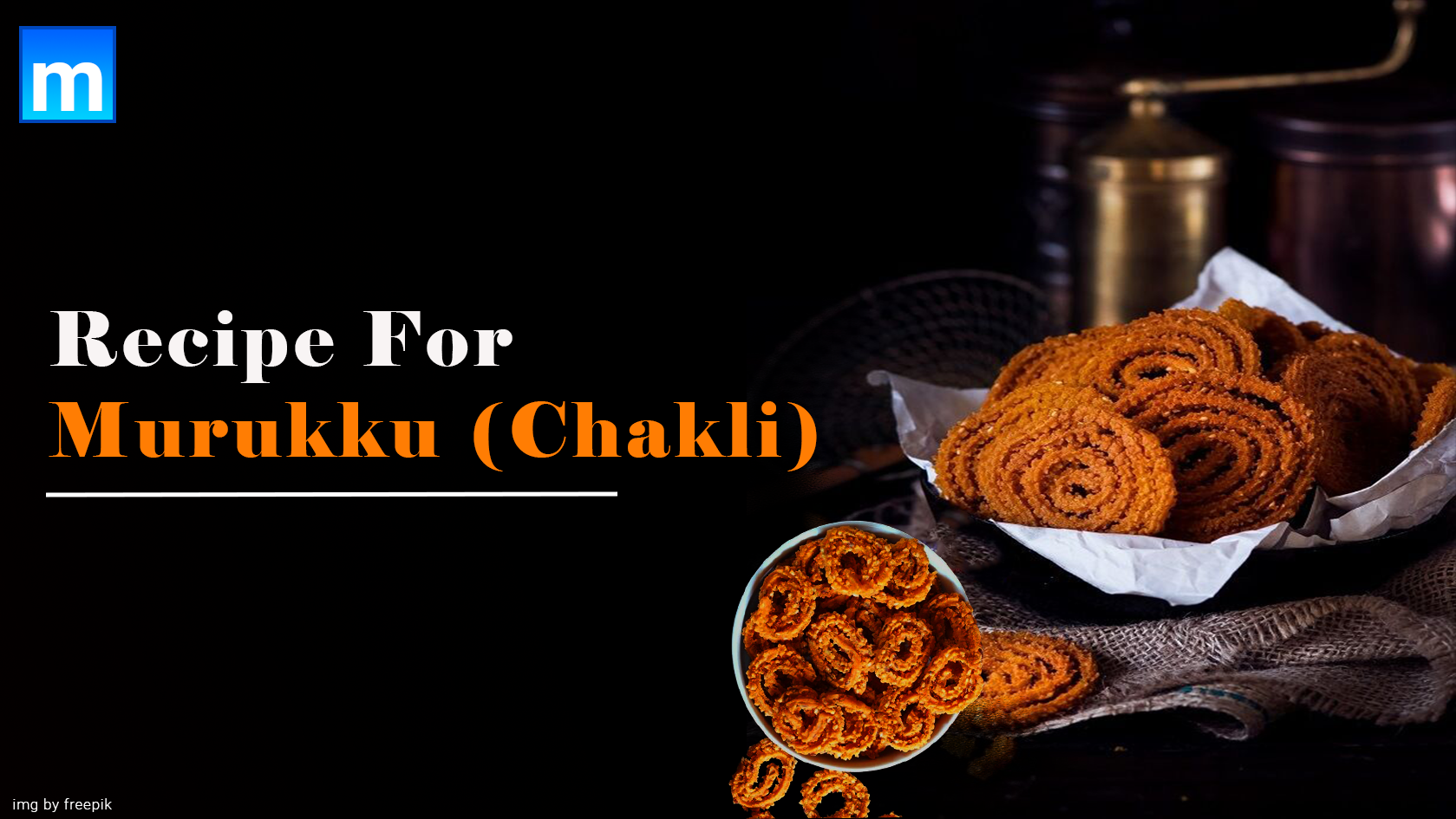
The exact origins of Murukku are partially transparent, but it is generally believed to have come from South India. References to this snack can be found in ancient Tamil literature from as early as the 9th century, showing its deep roots in Indian culinary history. Murukku is especially important in South Indian culture, where it is commonly made during festivals like Diwali and Pongal, as well as for family gatherings and weddings. Over time, Murukku has spread to other regions of India and even other countries, such as Sri Lanka, Malaysia, and Singapore, thanks to trade and cultural interactions. This spread has allowed Murukku to be adapted to local tastes and become a part of festive celebrations in these places.Ingredients and Preparation
Murukku is made from a dough that usually includes the following ingredients:- Rice flour Forms the base and gives Murukku its crispy texture.
- Gram flour: Adds a slight nutty taste and helps increase the crunchiness.
- Water: Used to mix and form the dough.
- Oil: Essential for deep-frying the dough to make it crispy.
- Salt: Added for seasoning.
- Spices: Typically includes cumin, fennel, and sometimes curry leaves for extra flavour and aroma.
Tips for Making Perfect Murukku
- Use fresh ingredients, especially rice and gram flour, for the best flavour and texture.
- Knead the dough until it is smooth and stretchy to help the Murukku hold its shape while frying.
- Ensure the oil is hot enough before frying; this helps achieve the perfect crispiness.
- Fry the Murukku until it turns golden brown to ensure it is fully cooked.
- Drain the fried Murukku on paper towels to remove any excess oil.
- Store Murukku in an airtight container at room temperature to keep it fresh and crunchy.
Variations and Regional Differences
- Murukku comes in many different types, showing the varied cooking styles found across India:
- Classic Murukku: Made with rice flour, gram flour, and spices, this is the most common and well-known version.
- Ribbon Murukku: This type is flat and shaped like a ribbon, offering a unique texture.
- Pepper Murukku: A spicier version that is flavoured with black pepper.
- Masala Murukku: Contains a mix of aromatic spices for added flavour.
- Sweet Murukku: Made with jaggery or sugar, this version is for those who enjoy a sweeter taste.
Nutritional Value
Murukku is a high-calorie snack because it is deep-fried. It is rich in carbohydrates and fat but also provides a decent amount of protein and fibre. A typical serving of around 50 grams has about 200-250 calories, with 5-7 grams of protein and 1-2 grams of fibre. This makes Murukku somewhat more nutritious than many other fried snacks. It also contains small amounts of essential minerals like iron and calcium, making it a better snack choice when eaten in moderation.Health Benefits
Although Murukku is high in calories, it has some health benefits:- Iron: The gram flour and spices provide iron, which is important for good blood circulation.
- Calcium: Helps maintain strong bones and teeth.
- Fibre: Supports better digestion and a healthy digestive system.
Murukku Recipes
Here are some easy recipes to make Murukku at home and enjoy its authentic flavour:- Classic Murukku: Mix rice flour, gram flour, cumin seeds, salt, and water to form a dough. Shape the dough with a Murukku press and deep-fry until golden brown.
- Ribbon Murukku: To create a different texture, use a ribbon-shaped nozzle on the Murukku press and follow the classic recipe.
- Pepper Murukku: Add freshly ground black pepper to the dough for a spicy kick.
- Masala Murukku: For a flavorful twist, add spices like red chilli powder, turmeric, and garam masala to the dough.
- Sweet Murukku: Mix jaggery or sugar syrup into the dough to make a lovely version.