Heavy rainfall, strong winds, and potential flooding in Andhra Pradesh, Odisha, and Telangana have been warned about due to Cyclone Arnab. The oncoming weather system over the Bay of Bengal may affect transportation, fishing activities, agriculture, and daily life in the areas under threat. Heavy showers and thunderstorms are anticipated over Andhra Pradesh, and parts of Odisha and Telangana will have the most direct impact.
The people of all districts likely to be affected should stay alert and adhere to weather warnings. When rain falls in heavy amounts, the sea is rough, and there are strong winds, it can cause dangerous situations, especially in coastal settlements, in low-lying areas and regions with poor drainage. Proper planning and preparation, with awareness, can minimise the dangers of harsh weather.
Cyclone Arnab Latest Update: Expected Track and Landfall
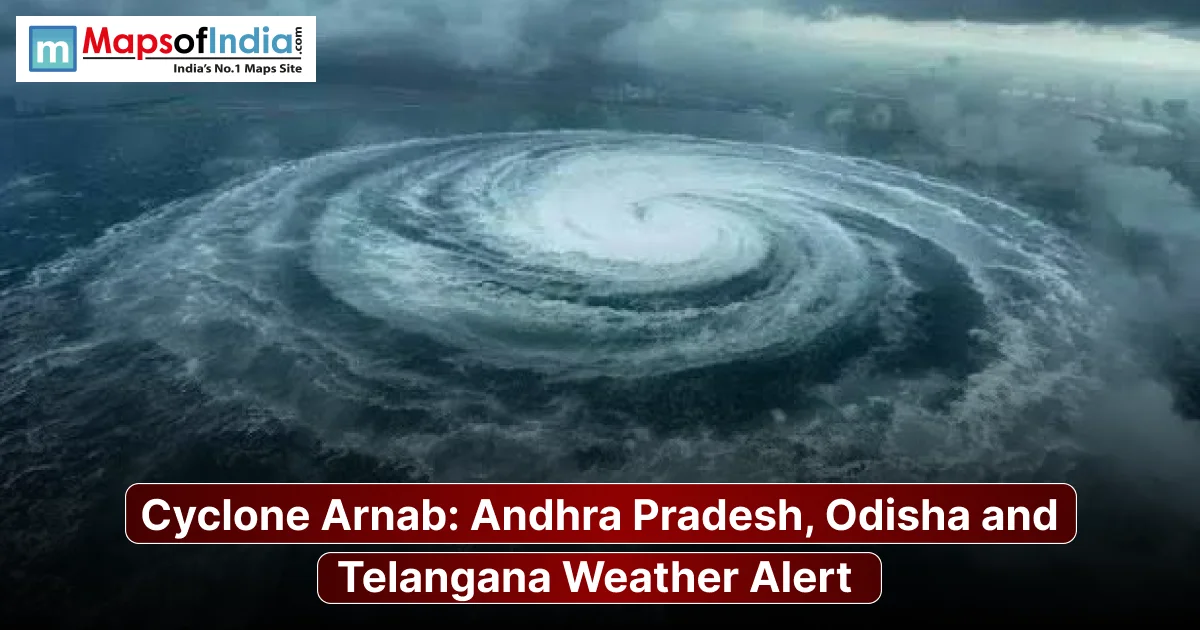
The tropical cyclone Arnab has intensified over the Bay of Bengal and is approaching the east coast of India. Tropical Cyclone Arnab has strengthened and is heading towards the east coast of India over the Bay of Bengal. The rainfall and wind would be heaviest, and the winds would be the strongest in the districts where the storm makes landfall.
The cyclone is likely to impact the coast of Andhra Pradesh with probable landfall near the northern or central coastal region. As the system approaches land, the weather conditions could worsen with heavy rain, stormy seas and gales.
The cyclone's track, wind speed and landfall location may change as the weather system develops. Its effects could also extend inland after landfall, potentially bringing rain to neighbouring states.
Coastal communities are particularly vulnerable because strong winds can damage temporary structures, uproot trees and disrupt electricity supplies. High rainfall can lead to waterlogging, and rough seas can make fishing and other ocean activities unsafe.
People should be alert during the duration of the unsettled weather and should not take any assurances from unconfirmed reports on the strength and movement of the cyclone.
Andhra Pradesh Weather Alert: Heavy Rain and Strong Winds
In view of its long coastline on the Bay of Bengal, Andhra Pradesh is likely to be one of the worst-hit states. Heavy to very heavy rain, strong winds, and rough seas are expected in several coastal areas due to the approaching cyclone.
The local weather situation needs to be closely monitored in areas around Visakhapatnam, Anakapalli, Kakinada, Konaseema, East Godavari, West Godavari, Krishna and Bapatla. The rainfall intensity and wind force can vary from district to district depending on the path of the cyclone.
Sustained rains may result in waterlogging, low-lying areas becoming inundated, and temporary closure of road links in urban areas. Trees, Electric poles, weak structures, and hoardings may get damaged due to strong winds. In severe weather conditions, you may also experience power outages and communication problems.
Sea levels will rise, and communities on the coast are exposed to further hazards such as rough sea weather and potential flooding of low-lying areas. Fishermen should not go out to sea in hazardous weather conditions, and inhabitants of exposed coastal communities should be ready to shift to safer areas if ordered by the authorities.
Agricultural activities can also be impacted. Farmers should take measures to protect stored crops and equipment from rainwater as much as possible and not undertake unnecessary outdoor work when there are strong winds and rain.
Odisha Weather Alert: Heavy Rainfall in Southern Districts
Cyclone Arnab can have an impact on Odisha as it is moving towards the neighbouring coast of Andhra Pradesh. The cyclone is likely to make landfall farther south, but its circulation can cause heavy rainfall in certain areas of the southern part of Odisha.
Rainfall alerts should be taken cognizance of by districts like Ganjam, Gajapati, Rayagada, Koraput, Malkangiri and Nabarangpur. The risk of waterlogging, flash flooding and temporary disruption of road transport, especially in low-lying and hilly areas, will increase in the event of heavy showers.
In forested and hilly areas, rainfall could cause landslides and cause small streams to rise. Roads and tracks running through sensitive areas should be avoided by travellers, particularly in the event of heavy rain.
Other activities, such as agriculture and fishing, could also be affected. Farmers should be watchful about the changing weather before they conduct harvesting or other field activities. People should stock up on necessities and refrain from crossing flooded roads and streams.
Vulnerable areas may have some precautionary measures in place according to weather severity, set by local authorities. Local people should obey official warnings and stay away from beaches, waterfalls and other outdoor venues when the weather turns hazardous.
Telangana Weather Alert: Rain and Thunderstorms Expected
In addition, Telangana is expected to witness weather changes brought about by Cyclone Arnab. The state is not actually in the way of a possible coastal landfall by the cyclone, but its broader circulation could affect rainfall over portions of the area.
Heavy showers and thunderstorms could occur in some districts, and lighter or intermittent rainfall in other districts. The rainfall pattern will be determined by the path of the cyclone and meteorological conditions.
Extreme rainfall can lead to waterlogging in urban areas, reduce road speed and impede outdoor activities. If the rain continues for a few hours, then low-lying neighbourhoods and areas adjacent to streams could be especially at risk. Gusty winds and thunderstorms could also cause localised power outages.
It is recommended that farmers to keep track of the weather conditions prior to harvesting, spraying pesticides, and so on. Any roadways where flood water is present should be avoided, and extra time should be allowed for travel between districts.
People should also be aware of the water in rivers, streams, and drainage channels in the event of high rainfall. Rains may sometimes be far from heavy in some places and water levels may rise rapidly.
The impact of weather in Telangana could be very different from the direct coastal threat in Andhra Pradesh. Statewide forecasts will therefore be useful in determining the extent of precautionary measures needed in various areas of the state.
How Cyclone Arnab Could Affect Daily Life
Weather associated with cyclones can affect the life of the day in a variety of ways. Roads, public transport, schools, agricultural activities and local businesses could be impacted by heavy rainfall. High winds can break down infrastructure and cause temporary electricity outages.
Delays or changes to air and rail services could also occur if the weather is bad enough. Before travelling, check the journey details, especially in coastal parts of Andhra Pradesh and southern parts of Odisha.
The rough sea conditions may result in temporary restrictions for fishing communities. In coastal areas and places vulnerable to flooding, tourism and outdoor recreation activities may also be impacted.
Heavy rainfall can necessitate protection of harvested crops, farm machinery and livestock. Residents are encouraged to lock up loose items around their property and have basic items on hand in case of a loss of electrical power or temporary transportation.
Safety Measures During Cyclone Arnab
Taking precautions before severe weather arrives can help reduce the risk of injuries and property damage. Residents in potentially affected areas should follow these safety measures:
- Monitor weather updates: Follow official forecasts and local administration announcements for the latest information.
- Avoid coastal areas: Stay away from beaches, fishing areas and rough seas during dangerous weather.
- Prepare emergency supplies: Keep drinking water, basic food, essential medicines, a torch and a charged mobile phone ready.
- Secure outdoor objects: Bring loose items indoors and stay away from trees, weak structures and damaged electrical equipment.
- Avoid floodwater: Never walk or drive through flooded roads, underpasses or overflowing streams.
- Follow evacuation instructions: Move to designated shelters if authorities advise evacuation from vulnerable areas.
- Plan travel carefully: Check road conditions and transport updates before beginning a journey.
- Protect essential documents: Keep important papers and emergency contact details in a safe, accessible place.
Residents should avoid spreading unverified cyclone information on social media. Accurate and timely information is particularly important during severe weather emergencies.
Where to Check Cyclone Arnab Weather Updates
Residents of Andhra Pradesh, Odisha and Telangana should regularly check official meteorological forecasts and state disaster management announcements. District administrations can provide information about local rainfall warnings, emergency shelters, evacuation arrangements and transport restrictions.
People living in coastal and low-lying areas should pay particular attention to instructions issued by local authorities. Weather conditions can change quickly, so an earlier forecast should not be treated as a guarantee of what will happen.
Conclusion
Cyclone Arnab has raised concerns about severe weather across Andhra Pradesh, Odisha and Telangana. Andhra Pradesh faces the most immediate coastal threat, while parts of Odisha and Telangana may experience heavy rainfall, waterlogging and travel disruptions.
The cyclone's eventual impact will depend on its track, intensity and movement after approaching the coast. Residents should remain alert, prepare for changing weather conditions and follow official safety instructions. Careful planning and timely precautions can help communities reduce the risks associated with heavy rainfall and strong winds.
FAQs
1. What is Cyclone Arnab?
Cyclone Arnab is the name used for a cyclonic weather system associated with the Bay of Bengal. Its potential effects include heavy rainfall, strong winds, rough sea conditions and flooding in vulnerable coastal and inland areas. Residents should check official meteorological updates for confirmation of the storm's status, track and intensity.
2. Which states are likely to be affected by Cyclone Arnab?
Andhra Pradesh, Odisha and Telangana are the states discussed in connection with the potential weather impacts of Cyclone Arnab. Andhra Pradesh faces the possibility of direct coastal impacts, while parts of southern Odisha and Telangana may experience heavy rainfall and thunderstorms, depending on the storm's movement.
3. When is Cyclone Arnab expected to make landfall?
The expected landfall timing depends on the cyclone's movement and intensity over the Bay of Bengal. Forecasts can change as the system develops, so residents should consult the latest India Meteorological Department (IMD) bulletins for updated information about the likely landfall date, location and wind speed.
4. Which districts of Andhra Pradesh may be affected by Cyclone Arnab?
Coastal districts such as Visakhapatnam, Anakapalli, Kakinada, Konaseema, East Godavari, West Godavari, Krishna and Bapatla may need to monitor weather warnings closely. The actual impact will depend on the cyclone's track, rainfall intensity and local conditions.
5. Will Cyclone Arnab bring heavy rainfall to Odisha and Telangana?
Cyclone Arnab may influence rainfall across parts of Odisha and Telangana. Southern Odisha districts, including Ganjam, Gajapati, Rayagada and Koraput, may need to watch for heavy rain. In Telangana, rainfall and thunderstorms may affect selected districts. The latest district-wise forecasts should be checked to confirm specific warnings.
6. What precautions should people take during Cyclone Arnab?
People should monitor official weather alerts, avoid beaches and rough seas, secure loose objects, prepare emergency supplies and stay away from flooded roads and exposed electrical wires. Residents in vulnerable coastal or low-lying areas should follow evacuation instructions issued by local authorities.