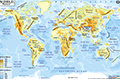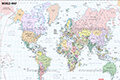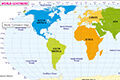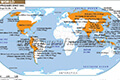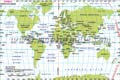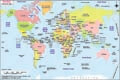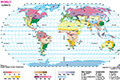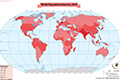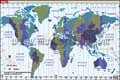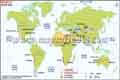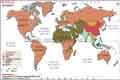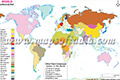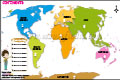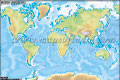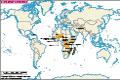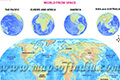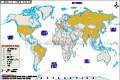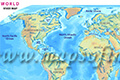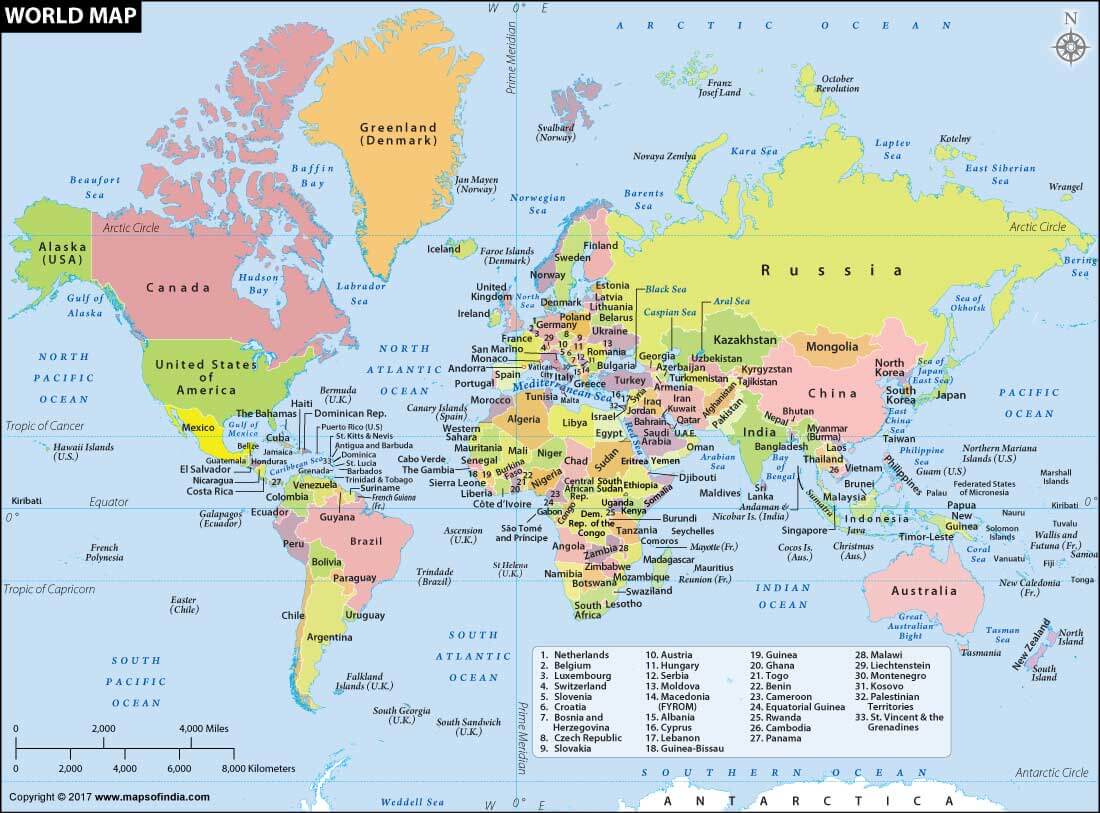



Clickable World Maps have revolutionized the way that geographical information and visualization are perceived. These maps are available online, on tablets, computers and other digital devices. They offer hands-on and interesting opportunities to become familiar with geographical information, population information and world trends. A modern Digital World Map helps users interact with locations more efficiently and understand global patterns in a visually engaging way.
Clickable maps have become a fundamental digital tool in many applications, such as schools, businesses, tourism, and disaster management. Users can just click on a country/region to get detailed information instantly. These maps have become more valuable and usable in various fields because of the advances in technology. Many organizations also rely on a Digital World Map for research, data analysis, and decision-making.
Clickable World Maps in Education
Many educational applications use clickable maps, particularly for learning the capitals of the world and geography. Students will click on any particular country and access information about each country, capital city, population, and other details. This interactive learning process makes it more interesting and easier to remember. A Clickable Country Map allows students to focus on individual regions and gain deeper geographical knowledge. It enables students to interactively explore information, as opposed to static maps. There is greater engagement in the lesson, and the understanding of Geography is improved by engaging with the map. In classrooms, interactive maps are also available in educational formats, like National Geographic.
Benefits of Clickable Maps in Education- Improve student engagement
- Geography teaching is learning through practical work.
- Help to retain information
- Encourage analytical thinking
Tourism, Travel, and User Experience
Maps have become significant tools that travellers and the tourism industry use. They're used by travellers to discover places, look at roads and find places of interest. Modern digital maps also offer a host of other features such as weather forecasts, booking options and real-time navigation.
The definition of location-based services is extended to enhance the user experience. Based on the location data, the applications can suggest restaurants, hotels, tourist attractions or even local events in the area. This facilitates a traveller's travel planning and saves time while travelling. An Interractive Map For Travel Planning can also help tourists discover hidden attractions.
Clickable maps also support sustainable tourism. They can highlight public transport routes, bicycle-friendly roads, eco-friendly hotels, and easier access to less crowded tourist sites.
These amenities help to alleviate congestion and have a positive impact on local businesses and communities.
Business, Environmental, and Geopolitical Use
Smart World Maps are used to research the markets and customer behaviour of businesses. The companies can get the visual sales data and know which areas are performing well and which are not, based on the area. Businesses can use the visual sales data to identify their sales success and failure, and then measure by region. It enables companies to enhance their marketing strategies and customer support.
Geopolitical analysis can also benefit from interactive maps. Overlapping map data can be used to evaluate political boundaries, trade routes, refugee movements and conflict areas. Real-time updates provide a better understanding of changes in the region and events worldwide.
Maps can be a significant aid to environmental protection and conservation. They are useful to researchers and citizens for monitoring:
- Climate change
- Deforestation
- Pollution levels
- Wildlife habitats
- Rising sea levels
Technological Integration And Disaster Management
Maps with clickable features are popular tools in the fields of disaster management and emergency planning. These maps are used by emergency teams to inform of the damage caused and of the areas needing immediate aid during hurricanes, earthquakes, floods or wildfires. A Clickable Country Map is especially useful for identifying affected regions and organizing rescue operations quickly.
The maps can be enriched with real-time data about the weather and rescue services provided by satellites. First responders will find evacuation routes, hospitals, shelters and high-risk locations easily. This enhances coordination and quickens the rescue. An Interractive Map For Travel Planning can also be adapted during emergencies to guide people toward safer routes and emergency shelters.
- Track disaster-affected regions
- Keep a track of relief supply distribution.
- Know where to go for safety if it's necessary to evacuate the building.
- Easily find emergency services (first aid, police, fire, etc.)
Health and Public Safety
Maps are an integral part of public health management and public safety decision-making and are important for visualisation and analysis. The maps can be used to track real-time health-related information by organizations such as the Centres for Disease Control and Prevention, the World Health Organization, and others. These maps are useful for monitoring outbreaks of disease, vaccinations, environmental public health risks and emergency services. Clickable maps were employed during periodic outbreaks such as Ebola and Zika to help locate hotspots, track the spread of disease and better plan treatments. A Clickable Country Map can help authorities monitor disease spread and healthcare accessibility in specific regions. These maps can also be used to include public safety information, such as:
- Crime rates
- Natural disaster warnings
- Emergency service locations
- Healthcare facility access