India is home to some of the most spectacular waterfalls in the world, surrounded by lush forests, hills, valleys and diverse landscapes. From the mighty Jog Falls in Karnataka to the breathtaking Dudhsagar Falls in Goa, these natural wonders attract tourists, photographers and nature enthusiasts throughout the year. Waterfalls in India are found across the Western Ghats, Eastern Ghats, Himalayan region and central Indian highlands. Their beauty becomes particularly impressive during the monsoon season, when rivers swell, and water cascades down rocky cliffs with tremendous force.
Each waterfall has its own geographical setting, height, seasonal characteristics and cultural significance. Some are popular tourist attractions, while others remain relatively unexplored natural destinations. Here are some of the most famous waterfalls in India and their locations.
1. Jog Falls, Karnataka
Located in the Shimoga district of Karnataka, Jog Falls is one of India's most famous waterfalls. Formed by the Sharavathi River, it plunges approximately 253 metres, making it one of the highest major waterfalls in the country. The waterfall is divided into four distinct streams known as Raja, Rani, Roarer and Rocket. Surrounded by the green landscapes of the Western Ghats, Jog Falls attracts thousands of visitors, particularly during the monsoon season.
2. Dudhsagar Falls, Goa
Dudhsagar Falls is situated on the Mandovi River along the Goa-Karnataka border, within the Bhagwan Mahavir Wildlife Sanctuary. Its name means Sea of Milk, referring to the white appearance of the cascading water. With a height of approximately 310 metres, it is among India's tallest waterfalls. The waterfall is especially spectacular during the monsoon, when enormous volumes of water descend through four distinct tiers. Its location along the railway route through the Western Ghats makes it a popular attraction.
3. Athirappilly Falls, Kerala
Often called the Niagara of India, Athirappilly Falls is located in the Thrissur district of Kerala on the Chalakudy River. The waterfall drops approximately 80 metres and is surrounded by dense tropical forests. Its scenic setting and rich biodiversity make it one of Kerala's most visited natural attractions. The nearby Vazhachal Falls adds to the region's appeal, attracting visitors interested in nature, wildlife and photography.
4. Kunchikal Falls, Karnataka
Kunchikal Falls is located near Masthikatte in the Shivamogga district of Karnataka. Formed by the Varahi River, it has an overall height of approximately 455 metres, making it India's highest waterfall by total height. The waterfall flows through a rocky landscape surrounded by dense forests. Its appearance and water volume depend significantly on rainfall and the operation of the nearby hydroelectric infrastructure. Access to the waterfall is restricted in certain areas.
5. Nohkalikai Falls, Meghalaya
Nohkalikai Falls is situated near Cherrapunji, also known as Sohra, in Meghalaya. With a height of approximately 340 metres, it is India's tallest plunge waterfall. Water falls from a high plateau into a beautiful turquoise pool surrounded by green cliffs. The waterfall receives abundant rainfall because of Meghalaya's exceptionally wet climate. Its dramatic landscape makes it one of the most photographed natural attractions in Northeast India.
6. Bhagsu Falls, Himachal Pradesh
Bhagsu Falls is located near McLeod Ganj in the Kangra district of Himachal Pradesh. Surrounded by the Dhauladhar mountain range, the waterfall is a popular attraction for tourists visiting Dharamshala. It is situated close to the Bhagsunath Temple and can be reached through a short uphill walk. During the monsoon, the waterfall becomes particularly impressive as rainwater flows down the rocky mountain slopes.
7. Hogenakkal Falls, Tamil Nadu
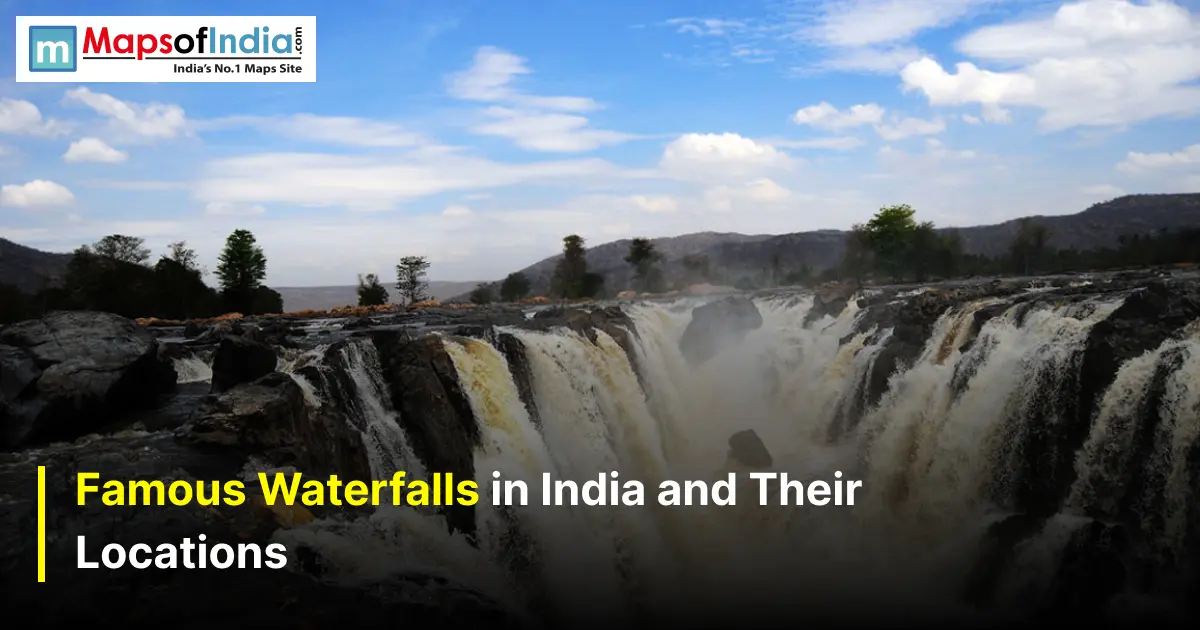
Hogenakkal Falls is located on the Kaveri River along the Tamil Nadu-Karnataka border, in the Dharmapuri district of Tamil Nadu. The name Hogenakkal means smoking rocks, describing the appearance of water splashing against dark rocky formations. The river divides into several streams as it flows through the rocky landscape. Coracle rides, scenic viewpoints and the surrounding natural environment make it a popular tourist destination.
8. Chitrakote Falls, Chhattisgarh
Chitrakote Falls is situated on the Indravati River near Jagdalpur in the Bastar district of Chhattisgarh. Approximately 30 metres high and exceptionally wide during the monsoon, it is popularly known as the Niagara Falls of India. The horseshoe-shaped waterfall creates an impressive spectacle as water flows over a broad rocky edge. Its surroundings include forests, river valleys and scenic viewpoints.
9. Dhuandhar Falls, Madhya Pradesh
Located on the Narmada River near Bhedaghat in Jabalpur district of Madhya Pradesh, Dhuandhar Falls is famous for its powerful water flow and misty appearance. The name Dhuandhar means smoke cascade, referring to the clouds of water vapour produced when the river plunges over the rocky formations. The nearby Marble Rocks, with their distinctive white stone cliffs, make this destination particularly attractive.
10. Kempty Falls, Uttarakhand
Kempty Falls is situated near Mussoorie in the Dehradun district of Uttarakhand. Located at an altitude of approximately 1,364 metres, it is among the most popular waterfalls in the region. Water descends from a considerable height through multiple rocky levels, creating natural pools. Surrounded by green hills, the waterfall is a major attraction for visitors exploring Mussoorie and nearby hill stations.
Conclusion
India's waterfalls showcase the country's remarkable geographical diversity, from the rain-soaked Western Ghats and Meghalaya plateau to the Himalayan foothills and central Indian river valleys. Whether it is the impressive height of Kunchikal Falls, the dramatic landscape of Nohkalikai Falls or the enormous width of Chitrakote Falls, each destination offers a distinctive natural experience. These waterfalls also highlight the importance of rivers, forests and ecosystems in maintaining India's environmental heritage. Exploring them provides an opportunity to appreciate the country's natural beauty and diverse landscapes.
FAQs
1. Which is the highest waterfall in India?
Kunchikal Falls in Karnataka is the highest waterfall in India by total height, measuring approximately 455 metres. It is formed by the Varahi River and is located in the Shivamogga district.
2. Which is the tallest plunge waterfall in India?
Nohkalikai Falls in Meghalaya is India's tallest plunge waterfall, with a height of approximately 340 metres. It is located near Cherrapunji (Sohra) and is known for its spectacular drop into a turquoise pool.
3. Which waterfall is known as the Niagara Falls of India?
Chitrakote Falls in Chhattisgarh is popularly known as the Niagara Falls of India because of its impressive width and horseshoe-shaped appearance. It is located on the Indravati River near Jagdalpur.
4. Where is Jog Falls located in India?
Jog Falls is located in the Shivamogga district of Karnataka. It is formed by the Sharavathi River and has a height of approximately 253 metres. The waterfall is famous for its four streams: Raja, Rani, Roarer and Rocket.
5. Which is the most famous waterfall in Goa?
Dudhsagar Falls is the most famous waterfall in Goa. Located on the Mandovi River along the Goa-Karnataka border, it is approximately 310 metres high and is particularly spectacular during the monsoon season.
6. What is the best time to visit waterfalls in India?
The monsoon and post-monsoon seasons, generally from July to October, are considered ideal for visiting many waterfalls in India. During this period, increased rainfall creates impressive water flows and lush green surroundings. However, visitors should check local weather conditions and safety restrictions before travelling.
7. Which famous waterfall is located near Mussoorie?
Kempty Falls is located near Mussoorie in the Dehradun district of Uttarakhand. Surrounded by green hills, it is a popular tourist attraction known for its cascading water and natural pools.