


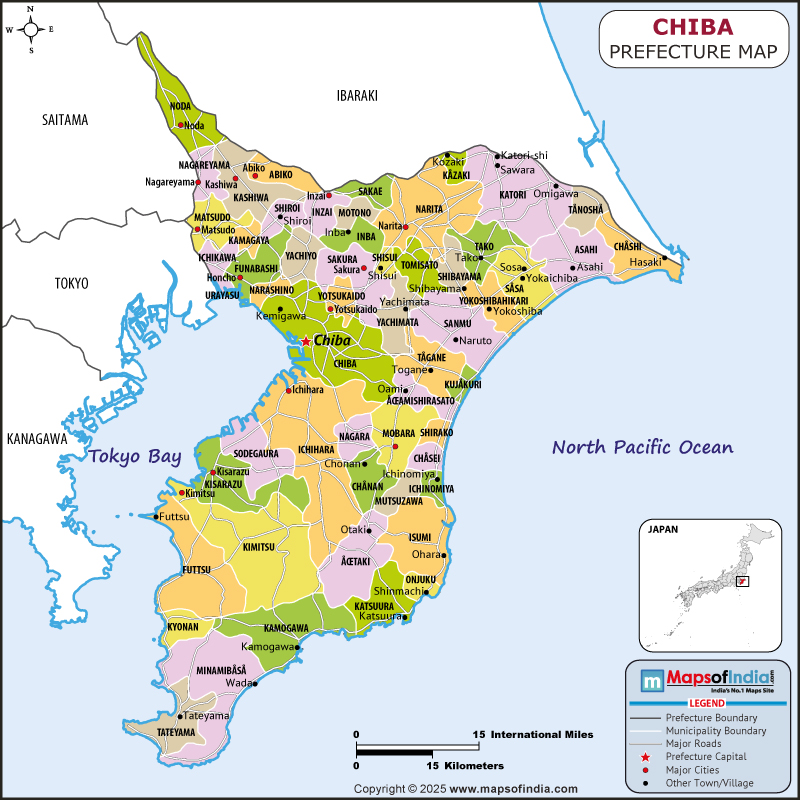



Chiba is a lovely and cosmopolitan city located in Japan. It is near the city of Tokyo, and hence it is one of the best tourist destinations and a place that people from the capital move to. Although most individuals visit Chiba in an effort to travel to other cities, it also has places of interest and attractions within it that make it a destination to visit. There are parks, beaches, shopping streets, cultural centres and nice restaurants. The city is peaceful, where families and students, and even tourists can lead a stress-free life while still enjoying access to the modern world. In this article, we will see more about Chiba's history, culture, language and geography and answer some of the most asked questions regarding this place to help you get full insights about the place.
History
Chiba's history demonstrates how the city developed from a peaceful area to a bustling and contemporary city. A long time ago, the area where Chiba is located consisted of fields and forests. The inhabitants of the area resided in small villages and engaged primarily in farming or fishing. The sea around Chiba provided them with food, and the land provided them with rice and vegetables.
In the Edo period (1603–1868), Chiba became significant due to its location. Trails and waterways joined it with Tokyo and other places. Merchants went through the town, and little markets started emerging. Families in the area could sell their rice, fish and other items through these markets. Life in villages started to improve gradually because individuals could trade and earn money.
During the Meiji period (1868-1912), Japan was significantly changed. Chiba also began to transform. New railway lines were constructed, and one of them linked Chiba with the capital city, Tokyo. This improved transportation for workers, students, and businessmen. Because of improved transport, more individuals began to migrate to the city to work or learn. The rail helped to expand industries and shopping centres to grow, and new constructions and schools began to emerge.
Following the Second World War, the population of Chiba increased at a fast pace. People from every corner of Japan migrated to this place to begin a new life. The city required more houses, hospitals, schools and roads, and therefore attempts were made by the government to develop facilities. Offices and firms arrived, offering employment and facilitating families to settle there.
Chiba became officially certified as a city in 1921. It grew bigger over time by consolidating with surrounding towns to increase in size. This allowed the city to better control services such as healthcare, education and transportation. In spite of how quickly Chiba developed, it was always quiet and nature-filled. Parks, rivers and beaches were large parts of community life.
Chiba is famous today for combining modernity and nature. You can come and see the ancient temples and old fishing villages and see how people used to live. Besides that, there are entertainment areas, sports complexes, schools and shopping streets that welcome visitors from across the globe.
Festivals and celebrations unite families and neighbours together. The city celebrates its heritage with open hearts and welcomes new individuals as well. The city is developing, but it never overlooks the past and the efforts of previous generations.
Chiba has a number of museums and schools where old equipment and photographs are exhibited. These places give people, particularly children, a chance to learn about the history of the city and how people have lived throughout the years. Even visitors can sense the blending of past and present.
Briefly, Chiba's history is one of expansion, harmonisation and optimism. From villages to a prosperous city, Chiba expanded without abandoning the natural beauty and generosity of spirit. For a day or for years, for reasons that matter or not, you will sense the warmth of a city that never forgets its heritage but is capable of looking into the future.
Culture
Chiba’s culture is congenial, peaceful and vibrant. Although Chiba is near Tokyo, it appreciates traditions in a unique way, relishes food and loves the outdoors. Family and friends are loved to be with Chibans, and they take pride in local celebrations, parks, sports and arts.
The most well-liked occasion is the Chiba Port Festival. In the festival, locals from surrounding towns visit to listen to music, dance and watch bright boats cruising in the ocean. Street food vendors sell delicious foods and drinks that everyone savours. Families and kids join the celebration, filling the environment with happiness.
Chiba also possesses sporting facilities. Soccer and baseball are extremely popular, with schools and community clubs providing training and matches for children and adults. Families are normally found cheering their teams during the match as well as during tournaments.
Arts are also an important aspect of Chiba's culture. There are theatres, museums and community centres in the city where people engage in performances, workshops and exhibitions. Schools there promote singing, painting or acting by students, so children have a chance to express themselves more deeply. Individuals become involved, and they can appreciate expressing themselves in different ways through the activities.
Food plays an important part in the Chiba lifestyle too. Sushi, tempura, and other Japanese delicacies are globally renowned in the city. Locally grown fruits are utilised for preparing food, which is served at restaurants and cafes. It's a weekend or festive tradition for most to have food with the family and relish the experience through taste.
The people of Chiba are polite and kind. The neighbours greet each other with smiles, and there are even families who get involved in community activities and help one another. The residents are hospitable and helpful in giving information or lending assistance when needed.
Despite new shopping streets and shops and new buildings, Chiba retains its traditions. Old temples, shrines and fish towns remind them of what the city once was. Combining old and new creates a friendly atmosphere where culture is enjoyed day by day.
The Chiba culture is a culture of togetherness, innovation, nature, and generosity. Residents here accept festivities, sports, art, food, and knowledge from one another. If you visit for a weekend or stay here for years, you will find that there exists a serene and happy style of living that makes Chiba unique.
Language
The predominant language used in Chiba is Japanese. The people have a soft-spoken language with a friendly accent that is very close to the Kanto area where Tokyo is situated. You will encounter friendly locals who are patient and willing to assist guests to learn basic phrases.
There are numerous schools that offer English as a foreign language. There are also signs in English at tourist spots and bus stations. This assists tourists in understanding the city better.
Due to the link of Chiba with Tokyo, people here are welcoming to learning language and communication with tourists from other countries. Whether one comes here to study or simply for recreational purposes, Chiba welcomes you friendly where language does not become a hindrance.
Geography
Chiba is a serene and lovely city in Japan. It is situated in the Kanto area, close to the capital city of Tokyo. It facilitates easy travel from one city to another. It has serene roads, parks and clean air in spite of being close to the crowded capital city of Tokyo. Some visitors, students and families prefer to reside or visit due to its serene nature.
Chiba is well known for its sea views. It is located close to Tokyo Bay, and therefore, it has a major coastline. The sea keeps the city connected with other regions. Fishery is still a major activity in some areas, and fresh fish are easily accessible. Beach walks and seeing boats go by are also enjoyed by people.
There are two rivers, the Obitsu River and the Neya River, that run through portions of the city. The rivers supply water to farms and parks and are green spaces where one can walk or have a picnic. Riverside parks are favourite destinations for families, particularly in spring when flowers bloom and autumn when leaves turn colour.
The climate in Chiba is temperate throughout the year. Summer is hot but not extremely hot, and winter is cold but hardly with thick snow. It is very favourable for tourists to travel around in the spring when flowers bloom. Pink blossoms shroud the parks and roads. The autumn season has red and yellow leaves from trees, and the city looks extremely beautiful.
Travelling in Chiba is convenient. Trains and buses provide transport between Tokyo and the city and other areas around it. People work in Tokyo but reside in Chiba due to the fast train links. The roads are secure and well planned, and transport for car users and bicycles is free of bumps.
Despite having all its new buildings and shopping centres, Chiba is not lacking in natural beauty. There are plenty of parks, rivers and beach sites that make people relaxed and refreshed. The city's landscape provides a satisfactory mix of nature and modern life.
In short, Chiba's geography blesses it with a superb location for visiting or residing. Its plains, rivers, parks, seashore and nice climate provide a healthy and hospitable living condition. Whether you are a nature enthusiast, sports enthusiast, or someone who prefers leisure walks, Chiba has everything for you.
Quick Facts
| Official Name | Chiba Prefecture |
| Area | 271.8 km² |
| Population | Approximately 6,300,000 |
| Currency | Japanese Yen (JPY) |
| Religion | Shinto and Buddhism (major), Christianity and others (minor) |
| Language | Japanese (official), local dialects also spoken |
FAQs
Q1: What is Chiba famous for?
Chiba is famous for its scenic seashore, gardens, and fresh seafood. It also provides a peaceful environment with simple access to city life.
Q2: What kind of food will I be able to enjoy in Chiba?
You can have fresh seafood such as sushi and tempura. The majority of the restaurants offer meals prepared with local ingredients.
Q3: Why would I live or travel to Chiba?
Chiba provides a quiet life, nice nature, and easy transport availability to Tokyo. It's ideal for families, students and tourists.
Last Updated on: April 15, 2026

