


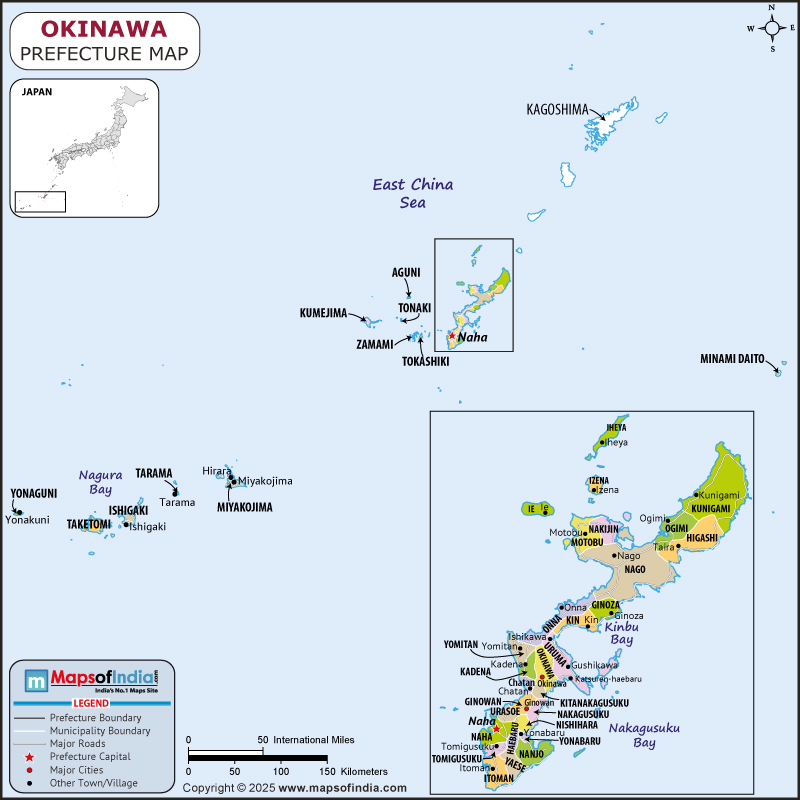



Okinawa Japan’s southernmost prefecture is a subtropical archipelago known for its rich history, distinctive culture and resilient spirit for stuff historically known as the ryukyu Kingdom, the island developed independently from the Japanese mainland. It absorbed influences from China southeast and the West through extensive maritime trade. Okinawans retain a strong sense of identity rooted in centuries of adapting to shifting political power from Satsuma rule to Japanese assimilation and the US occupation after World war II the island remained a cultural crossroad.
Modern Okinawa stands out for its laid back lifestyle, vibrant folk art and unique culinary and spiritual traditions. Despite being the poorest prefecture in Japan, Okinawans have cultivated a sense of solidarity and longevity which has inspired admiration worldwide. Today visitors encounter the society which harmonizes ancient customs such as ancestor reverence music and martial art which contemporary influences. This makes Okinawa culture one of the most eclectic and welcoming in Japan.
History
The history of Okinawa is defined by the unique position between major Asian powers' period of independence, cultural resilience, colonization , and ongoing struggle for identity. The narrative spans. Prehistoric settlement, the rise and fall of Ryukyu Kingdom annexation by Japan devastation in World War I American occupation and modern challenges and victories.
Okinawa’s archaeological record dates back to at least 32,000 years with the earliest human remains and a paleolithic artifact discovered in caves in the Naha city. Early settlers developed a unique fishing and gathering culture shaped by the island's subtropical climate. By around 7000 years ago these societies began trading shells with the Japanese mainland. It marks some of the earliest cross cultural exchanges.
Northern Ryukyu including Okinawa island interacted mainly with kyushu in Japan while southern ryukyu traded with Southeast Asia and Taiwan. The Amami island situated north of Okinawa became the first agricultural hub which eventually spread to Okinawa itself by the 12th century. This led to the emergence of local leaders called aji who erected stone fortresses called gusuku. The ensuing competition among these factions set the stage for the gusuku period characterized by development of rural settlement and fortified strongholds.
By the 14th century Okinawa island was divided into 3 competing polities: Hokuzan in the north Chuzan in the centre and Nanzan in the South during the Sanzan period. In 1372 the Ming dynasty of China inaugurated a tributary relationship with the choice of paving the way for full diplomatic and trade relations. All the three policies established tribute ties to China with significant increase in commercial activity.
In 1429 Sho Hashi of Chuzan Unified the three kingdoms founding the ryukyu Kingdom and establishing shuri as its capital. The share was shared in a 450 year era marked by prosperity as ryukyu became a maritime trading empire. Diplomatic ties with the Ming China and other Asian powers in Japan, Korea and Southeast Asia facilitated intermediary trade allowing ryukyu to amass wealth and cultural sophistication. Naha port evolved into a major international hub and Okinawa's performing arts, crafts and cuisine began to reflect its blend of influences.
The tide returned in 1609 when the satsuma clan invaded ryukyu subjugating the Kingdom to the tokugawa shogunate. Despite this ryukyu retained a dual diplomatic identity tributary to China and subordinate to Japan. The Ryukyuan elite led by intellectuals wanted to adapt by incorporating administrative elements from both powers while reinforcing local tradition. This strategy allowed Ryukyuan culture to prosper even under external pressure with art literature and theatre gaining acclaim in Japan.
Japan’s meiji restoration catalyzed major changes. In 1879 the Meiji government annexed Ryukyu, deposed its monarchy and established Okinawa Prefecture. Local resistance was strong but ultimately subdued. The assimilation policies that followed suppressed the local language, religion and custom, encouraging the adaptation of standard Japanese culture. Linguist Ifa Fuyu Founding Okinawan studies worked to bridge Okinawan and Japanese identity even as the outward sign of the Ryukyuan heritage was marginalized. The economy largely dependent on sugar monoculture suffered, prompting a wave of immigration and formation of the Okinawan diaspora.
The strategic location of Okinawa made it a focal point in World War II. The 1945 battle of Okinawa, the largest and the bloodiest land battle of the Pacific caused approximately 2,00,000 casualties and devastated cultural landmarks. After Japan's defeat Okinawa came under the US military rule which lasted until 1972 first during this time military bases proliferated and American cultural influences reshaped the food lifestyle and even identity.
Okinawa literature blossomed during this. Exploring liminal identities and the trauma of war. The short story officer Ukuma exemplifies this introspection. Locals used newly implemented democratic rights to advocate for reversion to Japan successfully restoring Okinawa's official Japanese status in 1972.
Modern Okinawa remains a vibrant yet complex region of Japan. It is the country’s poorest prefecture and a home to strong sense of local identity despite continued challenges like the US military base presence and the stereotypes regarding language and culture the Okinawans have balanced idea of all island struggle not as a separation but as recognition of shared history and resilience all stuff the cultural revival continues with global recognition for okinawan art karate and cuisine closed up international recognition has come with UNESCO designation for historical site and natural heritage area. Reconstruction such as the building of Shurijo castle after a destructive fire reflects ongoing effort to preserve the local heritage.
Culture
Okinawan culture is defined by champuru meaning mixed philosophy reflected in every facet of life from its cuisine to the craft and celebration. This blend arose from centuries of cross-cultural exchange notably with China, Japan , Korea and Southeast Asia. Spirituality is integral to Okinawan identity rooted mainly in indigenous animism and sister worship and ritual led by female priestesses known as noro elements seen in sacred texts like utaki and turtleback tombs known as kamekobaka.
Traditional performing arts thrive with lively drum based dance during obon and joyful celebratory Kachashi At festivals and weddings. music centres on sanshin, a three stringed instrument central to both classical and popular tradition. Okinawan crafts such as the bingata textile and the yachimun pottery reflect centuries of art history. The iconic shisa guardian lion adapted from Chinese motives adorned the rooftops, stabilizing spiritual connection.
The cuisine is acclaimed for its healthfulness featuring dishes like the goya champuru, rafute, and Okinawan soba. Longevity is legendary credited to the food philosophy of life medicine and communal values like helping each other. Social life centres on extended family and sister reverence and festivals which mark the traditional lunar calendar.
Language
The linguistic landscape of Okinawa reflects its status as a historic crossroad of culture. While standard Japanese is used in formal settings throughout the prefecture several unique languages and dialects persist, however their usage is declining. Okinawan, central to the southern half of Okinawa and surrounding islands, is the most famous among all. It is part of the northern ryukyuan language group which also includes Kunigami in the north and Amami further north in the Kagoshima prefecture. These ryukyuan languages are not mutually intelligible with each other or with Japanese. Within okinawan the shuri naha variant was the official standard of the ryukyu Kingdom and produced in the Royal Court book song and drama.
Significant language shifts occurred after Japanese annexation and the dialect regulation laws. Today most Okinawans speak a regional dialect known as Okinawan Japanese which is influenced by the Ryukyuan languages and in please English loan words because of the US military presence. The core Ryukyuan languages Kunigami, Okinawan, Miyako, Yaeyama, and Yonaguni are collectively termed Shimakutuba. They are endangered, found mainly among the elderly with preservation efforts underway by festivals, music and local theater.
Geography
Okinawa Prefecture consists of more than 150 islands stretching over 1000 kilometres NE to southwest between Kyushu and Taiwan in the East China Sea. The largest is Okinawa island home to the capital Naha. This region is divided into three main island groups: the Okinawa island, the miyako island and the Yaeyama island as well as the remote Daito island.
Okinawa island itself is characterized by a rugged coastline of coral reefs and sandy beaches backed by limestone hills and low mountain coasters of tropical climate fosters lush flora such as banyan and mangrove trees and supports crops like sugar cane and pineapple. Inland populations are clustered around the naha and central cities while remote villages dot the coastal and mountainous zone.
The archipelago's position at the intersection of the Pacific and the East Asian maritime route has shaped its history as a trading hub. Typhoons impact the inland from summer to early autumn while ocean currents and coral formation provide rich marine biodiversity.
Okinawa has unique geography including the UNESCO World Heritage designated glushko sites and the sacred natural space known as utaki. The natural landscape is interwoven with Okinawan cultural life from architecture adapted to salt bearing winds to spiritual traditions centered around mountains and coastline.
Quick Facts
| Official Name | Okinawa Main Island |
| Location | South of main Island of Kyushu |
| Area | 1199 sq. km |
| Population | 1466870 |
| Language | Japanese |
FAQs
Q1: What is the climate of Okinawa?
Okinawa has a humid subtropical climate characterized by warm temperature year round, long summer and mild winter. The climate assumes abundant greenery and maritime influence by the island geography in the East China Sea between Japan’s main island and Taiwan.
Q2: What is the currency of Okinawa?
The official currency of Okinawa is Japanese yen. It is a national currency used throughout all of Japan including Okinawa prefecture. It is the third most credit currency in the world after the US dollar and Euro. Japanese yen is recognised as a stable and safe currency internationally.
Last Updated on: June 22, 2026

