


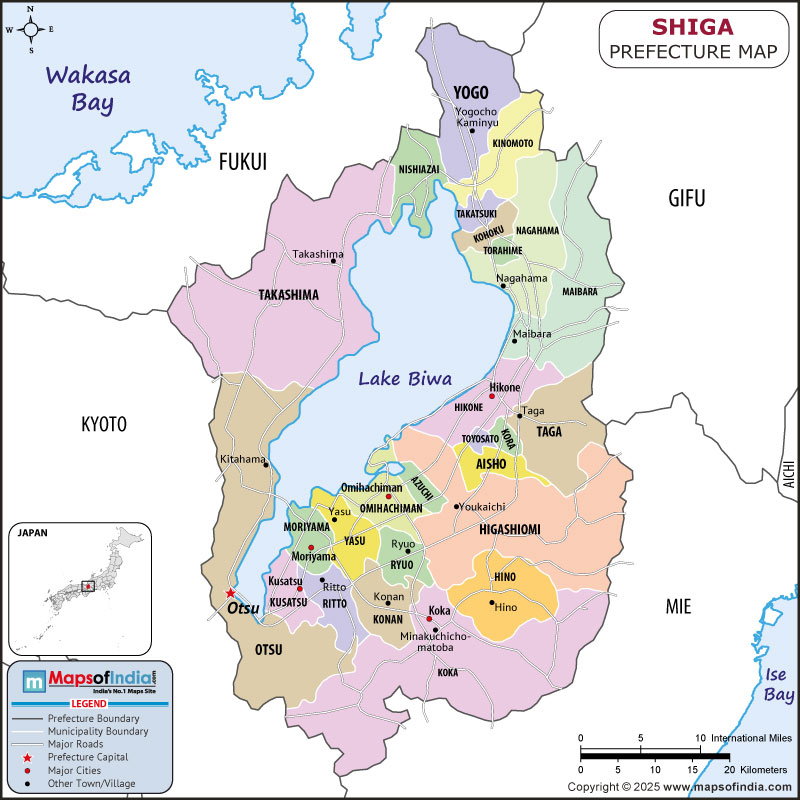



Shiga is a serene and lovely location in Japan. It's pretty close to Kyoto, one of Japan's most popular cities. Although Shiga is smaller and less popular than Tokyo and Osaka, it has its own significance. Shiga's beauty, history, and serenity attract people to the place. The prefecture is famous for Lake Biwa, which is Japan's largest freshwater lake. Shiga gives the visitors an opportunity to see new and old life. In this article, we will discuss its history, culture, language, and geography, as well as answer the questions you’re probably asking about this fascinating place.
History
Shiga also has an ancient and fascinating history. It has been inhabited by people for over a thousand years. Jomon tools and ceramics have also been discovered by archaeologists, dating back over 10,000 years. Then, during the Yayoi era, people began planting rice and building villages. This indicates that Shiga has been occupied by people for ages.
Because it was situated close to Kyoto, which was Japan's former capital, Shiga was a vital place for trade and transport. There were several roads running through the area, and the adjacent Lake Biwa contributed to carrying commodities by ship. Lake Biwa has long been a means of survival for inhabitants of Shiga. It provided water for farming and also food such as fish, which sustained the population for centuries.
Shiga was originally settled in the old days by the Omi Province. They were governed by native lords and samurai warriors who assisted in ruling as well as protecting the land. Temple and shrine building attempts were made by the government in this region during the Heian and Nara periods. Temples were a place of culture and education. Some of these, such as Enryaku-ji on Mt Hiei, remain today and are visited by a number of people.
The Edo period (1603–1868) witnessed more changes arrive in Shiga. The region became secure, and living conditions for inhabitants improved. Numerous travellers used to make their way through Shiga to reach Kyoto or other villages. Hotels, markets, and resting houses appeared along highways. The local economy picked up, and local products and crafts began to be noticed.
The most important historic achievement throughout the history of Shiga was the building of the castles. Hikone Castle, one of Japan's most well-preserved castles, was completed in the early 17th century. It was an important defensive element of the region and in maintaining control over trade routes. The Hikone Castle today stands as a cultural heritage as well as a tourist site.
In the contemporary period, Shiga prospered but remained a peaceful place. Railways and roads linked it to Japan. Cities expanded while the natural environment and Shiga's traditions were maintained. The indigenous populations worked day and night to maintain their culture and host tourists from the entire world.
Today, Shiga retains its heritage. You can find ancient streets, temples, and castles that remained unchanged for centuries. Shigans take pride in their heritage and are willing to tell the stories and traditions to tourists. Festivals, traditional handicrafts, and food preserve the culture of the region.
Shiga's past is closely linked with the lake, the rural areas, and the road networks that facilitated its growth. Its tradition and peaceful rural atmosphere define it in Japan. Shiga's past informs people about how the people here live, work, and enjoy themselves today.
Culture
Shiga culture is delicate, soft, and tradition-filled. Shigans are close to nature and respectful of the heritage that encircles them. Most of the old traditions still prevail in life today. Tourists in Shiga can easily witness the coexistence of the present and the past.
One of the most vibrant things about Shiga culture is the way the people celebrate festivals. The biggest and most commemorated festival in Shiga is the Omi Matsuri. It is commemorated every year in the city of Otsu, around Lake Biwa. Its people march around in the streets on bright-coloured floats during the festival, while others play instruments, and everyone dances together in unity. It is a festival that people attend, enjoy, and live.
Shiga is also famous for local handicraft. The area is full of artisans who produce lovely pottery, bamboo products, and textiles. They are all simple but wonderfully crafted, demonstrating how people utilise traditional craftsmanship. Visitors are able to tour the workshops and observe the production process of the crafts as well as be given a chance to craft one themselves. These arts are part of Shiga's heritage.
Food is also the way one gets to experience Shiga's culture. Fresh fish is offered by Lake Biwa, and people use it to make delicious food. The foods of Shiga are not complex but very flavourful. Rice, vegetables, and fish are usually mixed together to make meals that are both healthy and delicious. Guests can try sampling these foods at restaurants or festivals.
Other than handicrafts and food, temples and shrines are a large component of the daily life of Shiga. Temples are situated on a hill or along the lake, therefore serving as serene sites to visit. Individuals go to the location to pray, enjoy the atmosphere, and learn religious customs. One of the oldest temples and a reflection of Shiga's rich history is the Enryaku-ji Temple, which is found on Mount Hiei.
Seasonal festivals are also observed in Shiga. Cherry blossoms in spring cover the trees in beautiful pink flowers. People have a picnic among the trees and take pictures. In autumn, leaves change colours and paint the landscape red and orange around and near Lake Biwa. These natural festivals are also celebrated with festivities and reunions.
The people of Shiga are friendly and welcoming to guests. They feel pleased to narrate their experiences, guide tourists around the region, and reveal the essence of their traditions. Most of the celebrations among the locals aim to gather people and educate the young generations about their history.
Shiga's culture is serene. It reflects the intermingling of tradition and nature. Visitors can study Japan's history, savour home food, experience festivities, and witness arts retained for centuries. If you are staying here for a few days or more, Shiga's culture will imprint on your mind.
Language
The predominant language used in Shiga is Japanese. The use of Japanese is common on a day-to-day basis at home, in stores, and at school. However, since Shiga is a destination that welcomes numerous tourists, individuals in the tourist sites are also able to communicate in basic English. This allows visitors to have fun while vacationing as well as understand the local culture better.
In Shiga, most of the residents use the Kansai dialect, which is prevalent in the Kansai area of Japan. The dialect is somewhat different in sound from the Japanese spoken in large cities such as Tokyo. The manner in which the locals pronounce words and sentences can be distinctive or welcoming.
You'll see Japanese everywhere you go in Shiga, on signs and menus too. Places also use images to try and explain. Even if you can't read Japanese, you can still enjoy visiting temples, bazaars, and parks by asking someone for assistance or by using a phone app to translate.
Geography
Shiga is a serene and lovely destination in the Japanese Kansai area. It is located near major cities such as Kyoto and Osaka but possesses its own serene and natural climate. Tourists come to Shiga to soak up its nature, fresh air, and peace.
The most popular part of Shiga geography is Lake Biwa. It is Japan's largest freshwater lake and extends over approximately 670 square kilometres. The lake is of utmost significance to residents of Shiga. It provides water for farming, fishing, and everyday use. The lake also has an enormous number of birds and fish, hence it is a perfect place for nature enthusiasts. Walking along the lake shores, cycling, or taking boat rides are activities tourists enjoy.
There are tiny villages, temples, and parks surrounding Lake Biwa. They are surrounded by green mountains and woods. The surface is soft and flat to walk on. There are abundant cherry blossoms on the hillsides and trees during spring, and the leaves are orange and red in colour during autumn. These times of the year make the scenery very pretty and colourful.
Shiga has a good climate. It is neither too cold nor too hot in summers, and it is neither too hot nor too cold in winters. It is a pleasant place to travel throughout the year. Activities like trekking, cycling, and fishing during summers are popular among tourists throughout the year.
Mount Hiei is the highest mountain in the area. It is also where travellers can visit the Enryaku-ji Temple, which is so famous and has religious and outdoor activities.
Shiga's land is fertile and agricultural. There are rich paddy fields that look wonderful in the countryside. Farmers grow fresh vegetables and sell them daily, and markets sell them. There are local shops where you can purchase local items like crafts and food.
Shiga's roads and railways facilitate easy commuting and travelling to and visiting neighbouring cities. You can travel from Kyoto or Osaka within an hour. Shiga may be near congested cities, but it is safe and serene.
Shiga's geography enables individuals to have a healthy and peaceful lifestyle. Most families prefer spending time outdoors. Foreigners have nothing to do but just relax and enjoy the clean environment while studying Japan's nature and culture.
Due to its lake, mountains, and gentle landscape, Shiga is suitable for those travellers who wish to appreciate nature. Its refreshing air, delicious food, and excellent view give it an exclusive charm. No matter how short or long a visit is, Shiga's topography will give you stunning memories.
Quick Facts
| Official Name | Shiga |
| Area | 4,017 km² |
| Population | Approximately 1,400,000 |
| Currency | Japanese Yen (JPY) |
| Religion | Shinto and Buddhism (major), Christianity and others (minor) |
| Language | Japanese (official), local dialects also spoken |
FAQs
Q1: Where is Shiga?
Shiga is located in Japan's Kansai area, close to Kyoto and Osaka. Shiga has a quiet atmosphere and a lovely natural landscape.
Q2: What is Lake Biwa?
Lake Biwa is Japan's largest freshwater lake. It is a vital part of the life of Shiga, offering water, food, and lots of resting places.
Q3: What can I try that is traditional food in Shiga?
Tourists must experience Lake Biwa's fresh fish and local rice meals. They are easy yet tasty and prepared from fresh produce.
Q4: What are Shiga outdoor activities?
Visitors hike, bike, fish, and boat on Lake Biwa. There are plenty of parks and nature reserves to visit.
Q5: Why is Shiga unique compared to the rest of Japan?
Shiga is peaceful, surrounded by nature, and full of history. It gives a glimpse of simple customs and fresh air from the confines of urban existence.
Last Updated on: April 15, 2026

