


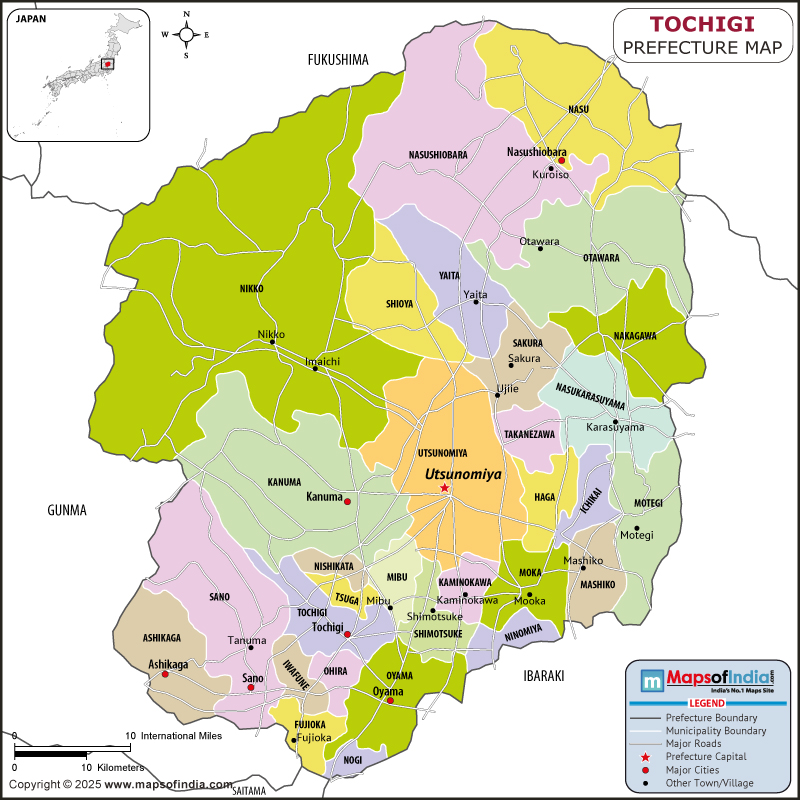



Tochigi is a lovely Japanese prefecture, situated just north of Tokyo. It has a peaceful atmosphere, beautiful landscape, and much history. Tourists like to visit temples, shrines, mountains, and lakes. One such spot is Nikko, with aged structures and trails in nature. Tochigi is also favoured for its soothing hot springs and delectable food such as gyoza and strawberries. The friendly locals and celebrations enhance the experience even more. If you seek to enjoy nature, or experience Japan's customs, Tochigi is the best destination. There's something for everybody. In this article, we will see more about Tochigi’s history, culture, language and geography and answer some of the most asked questions regarding this place to help you get full insights about the place.
History
The history of Tochigi is quite rich and eventful and filled with tradition. Long ago, Tochigi was included in a region where people survived on agriculture, hunting, and bartering. The riverside and rich lands enabled early settlers to plant rice and other vegetables. Villages became small by small, and the region became well known for its quiet way of life.
During Japan’s feudal period, Tochigi gained more attention. Many samurai families and local leaders built castles and temples in the area. The most famous part of Tochigi’s history is in the city of Nikko. In 1617, the Tokugawa family built the Nikko Toshogu Shrine to honour Tokugawa Ieyasu, the first shogun of the Tokugawa shogunate. This shrine is known for its beautiful decorations and skilled craftsmanship. Today, it attracts visitors from all over the world.
Outside of the Nikko region, Tochigi had a significant role in serving as a link among various regions of Japan. Roads traversed the region, so traders and travellers between the south and the north travelled through it with ease. Rice, produce, and crafts were exchanged with surrounding regions. Rivers like the Kinugawa and the Watarase also served for transportation and agriculture.
With the Meiji period, when modernisation in Japan started, Tochigi became part of the government's plans. Schools, hospitals and government offices were built, improving the living standards of its people. New ways of growing crops were unveiled to farmers, and small businesses started to grow. Tochigi was connected to the big cities like Tokyo with railways, making transport easier and trading easier.
In World War II, the area was less impacted than the urban areas, and it quickly rebounded. After the war, new businesses began to spring up. The prefecture gained fame for agricultural products, particularly rice, vegetables, strawberries, and other berries.
Tochigi people still have respect for their past and are creating a good life in the present as well. They attempt to save old buildings and transfer traditions to future generations. Enterprises and schools are assisting students and workers with being close to new knowledge and skills simultaneously.
Culture
The culture of Tochigi is shaped by its prosperous history, terrain, and lifestyle of its inhabitants. Traditions exist up to date and in the lives of the inhabitants and visitors. Festivals, cuisine, crafts, and manners of the locals are something for which Tochigians are particularly proud. All of these are reasons why culture is an aspect of the uniqueness of the prefecture in Japan.
One of the greatest aspects of Tochigi culture is that it is connected to nature. The mountains, river, and nature are peaceful and a part of everyday life. Festivals traditionally represent a change in seasons. Autumn is a period when one gets to enjoy the lovely leaves, and spring is a period when one gets to enjoy the blooming of cherry blossoms. These processes are a part of the everyday life of the people and are responsible for how they feel connected to nature.
Religious cultures also dominate the culture of Tochigi. Nikko Toshogu Shrine is a case in point for worshipping the past and spirituality. Different visitors come to pray and enjoy the beauty of the shrine. Other shrines and temples across the prefecture also organise events in which people gather to celebrate, pray, and eat meals. These events bring people together and create togetherness between them.
Arts and crafts are also highly valued in Tochigi. Mashiko city is renowned for pottery. Pottery has also been a tradition where the generations inherited the activity of making lovely pots and plates. Even the tourists have an opportunity to learn about different pottery workshops where they are taught lessons on creating their own work of art. These crafts show the skills and hard-working effort inherited from generations, sustaining the traditions.
The Tochigi people also have a number of festivals they celebrate throughout the year. One of them is the Kanuma Buttsuke Autumn Festival, where individuals dress in traditional attire, dance, and enjoy food. These are festive moments when the visitors and locals gather together to enjoy Japanese culture.
Learning and education are greatly emphasized in Tochigi culture. Children learn about local history, nature, and traditions in schools so that they value their heritage. Museums and parks provide other places where families can learn about local traditions.
Tochigi culture is simple yet rich. It connects people to their environment, heritage, and community. Regardless of the shifts in modern living, the Tochigi people work to maintain these traditions and enjoy new opportunities as well. This blending of old and new makes Tochigi culture rich and representative of everyone. Regardless of the way it is experienced, whether through festivals, food, or outdoors, Tochigi is an experience worth having and a wonderful place to visit and explore Japan.
Language
Japanese is predominantly spoken by people in Tochigi. The ordinary Japanese language is used in schools, offices, and stores so that foreigners will find it easy to communicate. Locals and elderly people employ a local dialect known as "Tochigi-ben". It is almost a little different in pronunciation and vocabulary compared to other parts of Japan.
It holds the culture and history of the location. Although the younger generation speaks standard Japanese, they also maintain the local way of speaking and still respect it. You hear both Japanese and English in your daily life depending on where you are and who you are with. It makes you identify with the people if you learn some words of the local language.
The Tochigi language is uncomplicated and polite. It puts the traveller in touch with the culture and allows them to converse freely throughout the region.
Geography
Tochigi is located at the north end of the Kanto province of Japan. It is bounded by mountains, rivers, and forests that give it a peaceful and beautiful landscape. The prefecture provides plains and highlands and is suitable for farming and outdoor recreation.
Its most important feature is the Tochigi mountains. The Nasu mountain range is seen in the north and is visited by numerous tourists. Individuals hike, ski, and breathe fresh air. The mountains are surrounded by vegetation, and, during winter, the mountains are covered with snow. The mountains also help in generating clean water for rivers and farms locally.
There are a number of rivers running through Tochigi. The two most important ones are the Kinugawa River and the Watarase River. They provide water from the mountains to the plains and maintain agriculture. The rivers also provide scenic beauty, and a number of parks are constructed alongside them where individuals can spend their time with their families.
The Tochigi plains are broad and fertile. Rice, vegetables, and fruits, such as strawberries, are cultivated by farmers. Pure water from mountains makes cultivation possible. You see broad fields with green crops in spring and summer and white snow covering the ground in winter.
Tochigi also has some lakes that are a favourite among tourists. Lake Chuzenji is near Nikko and is lined with mountains on either side. The lake looks serene and is ideal for boating and fishing. Tourists enjoy walking around the lake and relaxing in the serene environment.
Forests in Tochigi are dense and plentiful. They cover most of the mountains and harbour various animals and birds. People like hiking and camping in the forests. Trees also cleanse the air and make the surroundings fresh.
Due to its location, Tochigi is very convenient to access from Tokyo. Roads and trains link the prefecture with the rest of Japan. It is a favourite place for weekend stays and holidays.
The Tochigi geography is not just land and water. It controls how the people live, work, and play. The mountains, rivers, and lakes are all linked with farming, fishing, and sports. Festivals and customs are also influenced by the seasons and nature.
Generally, Tochigi's geography provides it with a serene and lovely prefecture. You will discover something unique here if you adore nature, such as hiking, or if you have to learn agriculture. The forest, rivers, and mountains provide a healthy climate that individuals enjoy visiting. It is an ideal location to enjoy leisure and adventure.
Quick Facts
| Official Name | Tochigi Prefecture |
| Capital | Utsunomiya City |
| Area | 6,408 km² |
| Population | Approximately 1,950,000 |
| Currency | Japanese Yen (JPY) |
| Religion | Shinto and Buddhism (major), Christianity and others (minor) |
FAQs
Q1: Where is Tochigi?
Tochigi lies in the northern region of the Kanto area in Japan. It is close to Tokyo, so it's easy to go there for a weekend trip.
Q2: What is Tochigi known for?
Tochigi is renowned for its beautiful scenery, historic temples, and delicious food like gyoza and strawberries.
Q3: What kind of food is popular in Tochigi?
Strawberries, gyoza (dumplings), and locally produced sake are delicious foods that visitors enjoy.
Q4: When can I go to Tochigi?
Spring and autumn periods are good times to visit. Spring has flowering cherry blossoms, and autumn has colourful leaves.
Q5: Why must I go to Tochigi?
Tochigi provides a peaceful atmosphere, serene landscapes, and an opportunity to gain knowledge of Japan's heritage and culture. It’s a perfect escape from busy city life.
Last Updated on: April 15, 2026

