


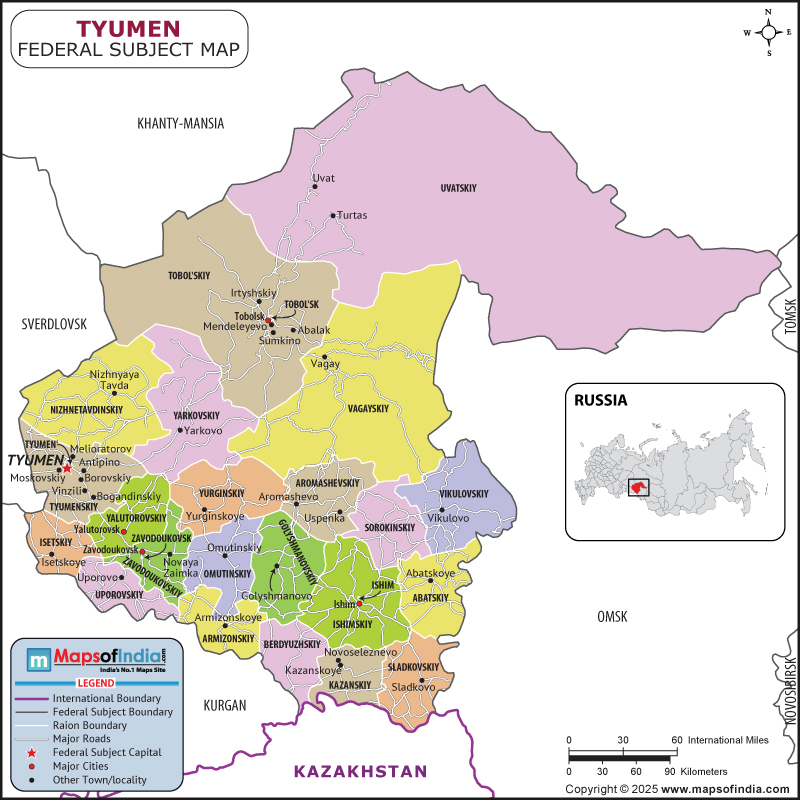



Tyumen is a beautiful Russian city that is referred to as the doorstep of Siberia. It is situated along the Tura River. This city is the first Russian settlement in Siberia. It is a lively town with nice people, good parks, some historic sites, and some fancy, modern buildings. By the way, Tyumen is a city of quiet beauty and rapid growth, which is an excellent choice for living, working, studying, or visiting. In this article, we will cover the history, culture, language, geography and address some frequently asked questions about Tyumen, so you can have a complete view of this interesting city.
History
Tyumen is one of the oldest Russian cities in Siberia. Its foundation date is 1586, supposedly making it the first Russian military settlement in Siberia. The city had been founded as a military base by Russian rulers who sought to dominate trade routes in the east and protect the frontiers. Back then, this was full of forests, rivers and small native tribe settlements.
The site of the present Tyumen was a part of the Siberian Khanate. With the collapse of the Khanate, Russian settlers constructed a wooden fort at this site on the Tura River. The new town developed rapidly as this river was used for transport and trade.
In its early years, the population of Tyumen was mainly soldiers, traders, and artisans. The village slowly became a bustling stopover for travellers to other parts of Siberia. Because goods like furs, wood, fish, or grains passed through the city. The river enabled traders to get to distant locations, and roads were constructed that connected Tyumen with other towns.
Tyumen developed further in the 17th and 18th centuries. Churches, schools, and small factories were constructed. Streets were lined with wooden homes, and the city's life grew increasingly stable. It became a part of the Russian Empire in the late 1700s. Some of the others started relocating from other parts of Russia, and the population grew slowly.
The town saw drastic changes in the 19th century. It grew even more crucial when a railway finally reached Tyumen in 1885. Now, goods and people can travel faster across Russia. This benefited businesses, and the city began to have many shops, markets, and industries. Wooden buildings were replaced with stone houses, and some streets were widened.
At the beginning of the 20th century, Tyumen was already a safe town. It had telegraph lines, schools and hospitals and increasing numbers of workers. The city experienced troubled times during the Russian Revolution of 1917, yet it was a relatively peaceful place when compared to other major cities in Russia.
During World War II, various factories and Western civilians were moved to Tyumen to escape the war. This attracted more workers, and the city grew even faster. Schools and hospitals were also created to support the new arrivals.
The largest transformation occurred in the 1960s, when western Siberia’s oil and gas were discovered. Tyumen was transformed into the major base for workers and equipment heading to the oilfields. This made the city one of the mainstays of Russia’s energy industry.
Nowadays, Tyumen is a blend of the old and new. The old buildings and streets have been preserved in many parts of the city, although schools, parks, and industries have turned it into a modern place. With a long history and stability, this is one of the most respected cities in Siberia.
Culture
Tyumen’s culture is an old one, and it is based on love for family, education, and love for nature. The city is calm; there is tradition and progress living side by side. The inhabitants of Tyumen are proud of their local traditions, customs, and lifestyle.
The Tura River is one of the prides of the life of the people of Tyumen’s region. The families love sitting on the side of the river, particularly in summer and on holidays. There are miles of pedestrian paths, benches, parks, and cafes along the entire length of the river. In the evening, they come out for walks, music, and fresh air. Kids play games while parents relax, enjoy, and chat.
Tyumen is known for its theatres and museums. The Drama Theatre is a popular place for plays and shows. It has its own shows as well as national shows. There is even a children's theatre, at which children perform in drama and singing contests. These are the places where the inhabitants of Tyumen get to experience art and the local talent is promoted.
The city also has a number of museums. The Museum of Local History shows how life in Tyumen evolved through the ages. Visitors can see old tools, clothing, photographs, and crafts made by early settlers. The Fine Arts Museum, featuring paintings and sculptures from Tyumen and throughout Russia, is another popular place.
In Tyumen, there are so many festivals and events in the open air throughout the year. These vary from winter ice sculptures festivals to spring flower fairs, and summer parks musical evenings. The festivals attract people of all ages. They bring the community together and help everyone feel more connected.
In Tyumen, art and design are developing. In recent years, new art spaces and galleries have opened. Local artists paint the city’s nature, history, and everyday life. Graffiti and lights cover some of the buildings, which adds to the city's excitement.
The inhabitants of Tyumen are renowned for their warmth, goodwill, and hospitality. They love their families and their neighbours. Many appreciate group activities such as folk dancing, choir singing, and sports.
The custom of Tyumen in general is straightforward and friendly as well as traditional. It teaches the love of old traditions and also new innovations.
Language
The dominant language in Tyumen is Russian. Everyone uses it every single day, like in stores, at schools and cafés, on buses, and in theatre shows. Most people speak Russian fluently. You will hear it everywhere.
Some people speak English, too, due to Tyumen’s many universities and energy businesses, particularly younger students or those doing global work. In cafes near colleges, English menus might even be available, or there is friendly staff who know a few English words.
There are also small communities of residents in Tyumen who speak other languages like Tatar, Ukrainian, Bashkir, Uzbek, and others due to the mix of people from all over Russia and neighbouring countries.
Geography
Tyumen is situated at the western edge of Siberia in Russia, in the Tyumen Oblast. It is located on the Tura River, a minor but key river in providing water and life to the region. The city is some 2,200 kilometres east of Moscow and sits on the West Siberian Plain, one of the flattest and widest areas on earth.
The region around Tyumen is generally flat with rolling hills and plains. This is the kind of land that is good for farming and for building cities. There is a clay-sand and more or less moist-muddy, particularly when the snow is melting.
The Tura River passes through the city, dividing it into parts. Parks, bridges, and residential areas could be found on both sides of the river. The river is calm and peaceful. It freezes up in the winter, becoming a great spot for ice skating. Then comes summertime, and everyone is busy boating or enjoying lunch by the riverside.
Winters are cold, while summers are very warm. Winters are long and snowy, and temperatures can fall to –30°C or less. The streets, trees, and roofs are all covered with snow when the city is painted white for most of the year. People wear heavy coats, boots, scarves, and gloves to keep warm.
There are numerous forests and lakes surrounding Tyumen. The forests consist of pine, birch, and ash trees. It’s common for people to visit it to gather mushrooms, berries, or just to go for a walk and relax. The lakes are small and clear, and in the summer, families come for swimming and fishing.
Tyumen is also surrounded by the deep oil and gas fields deeper in the region. As a result of this, lots of people who work in the city live near the city and work in local areas. Tyumen is linked to cities and towns throughout Russia by roads, rails, and airlines.
The town has a lot of green parks and open spaces as well within the city itself. These are places where people go for a walk, play sports, and hang out with family. Some people even go outside in the winter to ski, sled, or just to enjoy the snowy air.
In general, the geography of Tyumen is calm and practical. The place has clean rivers, flat lands, dense forests, and a balance of cold winters and warm summers. These geographical blessings make Tyumen a pleasant place to live, work, and visit.
Quick Facts
| Official Name | Tyumen |
| Population | Approximately 846,000 |
| Area | Around 700 km² |
| Currency | Russian Rouble (RUB) |
| Religion | Mainly Russian Orthodox, with Muslim and other minority communities |
| Language | Russian |
FAQs
Q1: What is Tyumen known for?
It is known for being the first Russian settlement in Siberia and for its lush oil and gas fields, riverside parks, and easy-going life.
Q2: Are there universities in Tyumen?
Yes, there are many universities in Tyumen, such as Tyumen State University and the technical colleges.
Q3: Are there rivers and parks in Tyumen?
Yes, the Tura riverside and lots of green parks are integral parts of the city life.
Q4: Why would I choose to visit Tyumen among other cities?
It provides history, river life, nature, science, parks, and a touch of Siberian calm and warmth.
Q5: What is the old city of Tyumen?
These include the wooden structures and the old churches, the site of the fortress and rail station from the 1800s.
Last Updated on: April 15, 2026

