


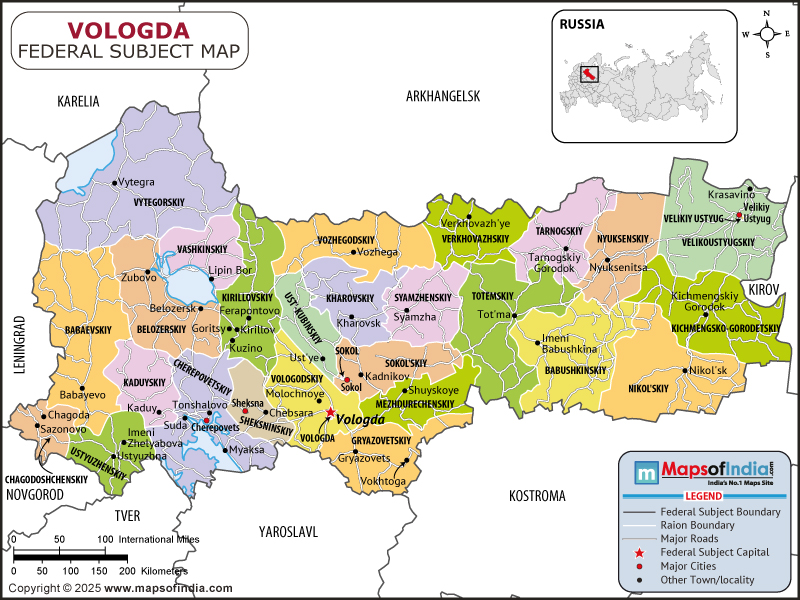



Vologda is a calm and peaceful city in the northwest of Russia. It is some 460 kilometres from Moscow and is located along the Vologda River. This city is famous for its peaceful living, wooden-style houses, and cultural diversity. Most people come to Vologda to visit its ancient churches, the world-renowned Saint Sophia Cathedral, or the widely known museum of Vologda lace. Vologda has retained its history and charm; that’s what makes it not the same as the big cities. This article explores the background history, culture, language, and geography of Vologda and also answers some of the most frequently asked questions about this fascinating city.
History
Vologda is an old and interesting city. This Russian city dates back to the 12th century. The first emigrants to settle here date to around 1147, which is the year that the name Moscow was first recorded in written records. Vologda was then a small village, overgrown with forests and with rivers. These rivers enabled local inhabitants to travel and trade, and over time, the place grew gradually.
Vologda grew in significance and incorporated Moscow's trade route to the northern sea in the 15th century. Businessmen from other parts of Russia and even from abroad visited Vologda. That helped the city make money and become known across the region. Commodities such as furs, salt, honey, and wax were frequently exchanged. Many were stopped here on their journey to the north.
It became even more widely known in the 16th century when it attracted the attention of Ivan the Terrible, the emperor of Russia. He admired the location of the city, which he wanted for trade and military purposes. He commanded the building of the high, strong stone Vologda Kremlin. It was never completed, but some of its parts still remain today. Ivan also constructed the magnificent Saint Sophia Cathedral, which to this day ranks among the important monuments of the city.
Vologda grew further during the 17th and 18th centuries. It also served as a focus of culture and religion. Numerous churches, schools, and libraries had already been begun in this place. The city also had some highly skilled craftsmen, for example, in lace-making and wooden house building. Vologda lace was in demand; it was offered for sale at many Russian markets.
Vologda had its dark times in the 20th century as well. For a lot of people, life was different during the Russian Revolution in 1917 and after. The old customs and religious practices were also set aside. Its churches were largely closed or damaged, and the city gained an increasingly industrial character. Vologda did not experience an attack during World War II, although it worked in support of the front by producing goods and providing for the soldiers.
In the years following the war, the city expanded and rebuilt. It became a quiet but solid city. New schools, factories, and museums were created. The residents of Vologda worked hard to maintain their culture and history. They brick by brick reconstructed old buildings and started celebrating local traditions once more.
Culture
There's an incredibly rich and deep culture here in Vologda, and you can feel it when you're here. The people here are extremely proud of their history and heritage. This city is famous throughout Russia for its old-fashioned lace, pretty wooden houses, and harmonious way of life. Vologda life is placid and homely but rich in meaning, resolute with pride in the ways of its people.
Lace-making is probably Vologda’s most famous aspect of culture. Vologda lace is a manual lace made from white thread and thin ornament. Women in Vologda have been making lace for hundreds of years. Some of them work wooden bobbins and create designs to be worked into clothes, tablecloths, and other decorations. There is even a Vologda Lace Museum, where visitors can observe the process of making the lace and learn about its history.
The local houses are also an important part of the city’s culture. Many streets in Vologda still have old wooden homes with carved decorations around the windows and doors. These houses show the skill of local craftsmen from the past. People in Vologda take care of these homes and try to keep the city’s original look. Walking through the city feels like walking back in time.
Religious activity is predominant throughout the culture of Vologda. The city has many churches and monasteries. Saint Sophia Cathedral is one of the oldest and most beautiful churches in the region. It was constructed in the 16th century and remains today with white walls and golden domes. For religious holidays, people go to churches to pray. These are very special things for the local community.
Vologdan also enjoys music and dancing. At local events, folk songs played with traditional instruments such as the balalaika and accordion are popular. The songs are learnt by children in the schools. There are dance groups as well who perform during festivals and national holidays, where they wear traditional Russian dresses.
Vologda food is plain and very delicious. Vologda butter is one well-known product among these. It’s crafted using a unique process that results in a rich, delicious cream taste. The local residents use it in cooking and take it with bread and porridge. The people also enjoy soups, meat sauces, and pastries. Vologda families particularly value home cooking.
There are a number of small art galleries and museums in the city. Most of the local artists paint nature, churches, and village scenes. These works of art help maintain the traditions and reflect the beauty of everyday life in this northern city.
Vologda culture is strong and silent. It’s from the people; it’s that respect for the past and that love for local traditions. Lace, wooden houses, food, and songs, Vologda has a tale about everything. It’s the type of place where history and daily life come together in a warm and friendly way.
Language
The official language in the city is Russian. It is the language used in schools, universities, shops, workplaces, and the media. The Vologda people speak Russian very clearly and politely. They have the normal accent of Russian, even if some old people and people from villages can have this light northern accent that is common here.
English is also a subject in school, but it is not widely spoken in daily life. The majority of older people don’t understand English, though younger people and students might understand a few simple words or sentences in the language.
Language is a big part of what keeps local culture alive. That’s how folksongs, stories, and all the fairy tales are passed down purely through spoken Russian. Grandparents frequently narrate traditional stories to children in Russian, so they learn about values, kindness, and bravery. At the festivals, people sing Russian songs, and they have been doing so for years.
Geography
Vologda is located in northwest Russia. It is a quiet place with plenty of rivers, lakes, and green forests and is situated along the Vologda River. This was always the river that shaped the place for the people who lived here. The water helped farming and made travel easier in the ancient world.
The Vologda region has predominantly flat terrain, although there are low hills in some areas. The flat land is thickly wooded and in parts covered with fields. Pine trees and birches grow in numerous places, so that the landscape is of a mild green appearance for the greater part of the year. In the summer, it looks fresh and full of life, with trees and grass.
The weather in Vologda is cold for most months of the year. The winters are long; the snow comes early and stays late. The citizens skate and ski in cold, snowy weather. Summers are short but pleasant. People enjoy warm days walking along the river and in the parks.
Vologda is surrounded by numerous small villages and towns. These areas are linked by roads and railroads. It is not too far from Moscow, so it has good transport links to the capital and other big cities. This makes it convenient to travel for locals as well as for those who visit. The roads and rails also bring goods to and from the city.
There are lots of small rivers and lakes in the Vologda region. These waterways keep the land wet and fertile for farming. In the countryside, people plant vegetables, berries, and potatoes. In some parts, you can spot small farms, cows, and chickens. The air is pure, and life in the villages is peaceful and simple.
The town has broad streets, wooden houses, and stone buildings. There are several parks and green spaces for people to walk and sit in many regions. The city is charming, with the Vologda River running through it, small bridges crossing over it, and small benches along the river for people to sit and watch the water.
Vologda is blessed with a location that makes it feel peaceful and fresh. It is different from bustling modern cities. This is an area that is well-maintained, and nature is appreciated. The inhabitants feel closely connected to the land, and they care about keeping their city green and calm. The people love Vologda so much because of the simple beauty of the land on which the city is situated.
Quick Facts
| Official Name | Vologda |
| Population | Approximately 300,000 |
| Area | Around 116 km² |
| Currency | Russian Rouble (RUB) |
| Religion | Mainly Russian Orthodox, with other minority religions |
| Language | Russian |
FAQs
Q1: Where is Vologda in Russia located?
Vologda is in the northwest of Russia. It is situated near the banks of the river Vologda and surrounded by forests and villages.
Q2: What is Vologda famous for?
Vologda is famous for its handmade lace, delicious butter, wood cottages, and laid-back lifestyle. Another famous monument is the Saint Sophia Cathedral.
Q3: Is Vologda suitable for tourists?
Yes, Vologda is a nice, quiet place if you like quiet places and the history and traditions of Russian culture. It has museums, old churches, and friendly people.
Q4: Why is Vologda butter so good?
Vologda butter is produced by a special method and has a rich and creamy flavour. It is widely eaten throughout Russia.
Q5: Is Vologda a safe and clean city for tourists?
Yes, Vologda is a peaceful, tidy, and safe city. People are friendly and helpful, and it’s a safe place for outsiders to visit.
Last Updated on: April 01, 2026

