





About
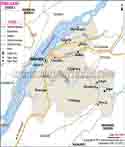
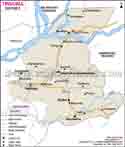
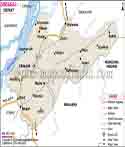
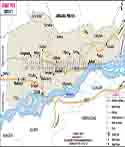
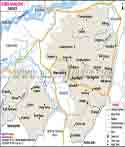
Goalpara is a district in West Assam. It is on the south bank of the Brahmaputra River. Goalpara town is the headquarters. The district is 1,824 square km in area. The river forms the north boundary. To the south is Meghalaya, east is Kamrup and west is Dhubri.
Goalpara is noted for its rivers, green hills, forests, wetlands and old religious sites. In the case of the Brahmaputra which plays a large role in the life of the district. Also many villages base their economy on farming and fishing. Also the district has some areas which are very close to the Meghalaya hills.
The district is also home to Sri Surya Pahar which is an old archaeological site with remains related to Hinduism, Buddhism and Jainism. This place also gives Goalpara its special place in the history of Assam.
History & Culture
The History of Goalpara goes back for many centuries. What is common to the name Goalpara is that it is associated with the word “Gwaltippika” which means a village of milkmen. “Para” in the local dialect means village.
In 1822 during British rule the old Goalpara district was created. At that time the district had a much larger area which the present district covers. Over the years there were many administrative changes. In 1866 Garo Hills was separated. In 1874 the Goalpara area became part of the Assam Province.
The old Goalpara district over the years gave way to what is present day’s district structure. In 1983 Dhubri and Kokrajhar were separated out, and in 1989 the formation of Bongaigaon which came out of parts of Goalpara and Kokrajhar.
Goalpara was a district which had a large role in the rule of the Koch and Rajbongshi rulers. Also the district’s proximity to the Brahmaputra and Meghalaya hills made it a key area for trade and local administration.
Culture in Goalpara is a reflection of village life, farming, music, religious practices and local languages. Goalpariya is the prominent form of speech in the area. Goalpariya folk songs are very much in the forefront in many parts of Assam and nearby areas.
In Goalpara many communities have established themselves. The Rabha, Garo, Bodo, Assamese, Bengali and other communities have their own separate traditions, festivals, food and forms of art. This in turn gives Goalpara a diverse cultural fabric.
Sri Sri Shyamrai Satra is also a very important religious site in Goalpara. For many years it has been a center of Vaishnavite religious life. The satra hosts religious programs and festivals.
Economy
The economy of Goalpara is based on agriculture, fishing, small industries, handloom, trade, transport and government services. In the rural areas of Goalpara many people live off of farming.
The district reports to have 10,200 hectares of cultivated land. Rice as well as other crops which do well in the area support many rural families. Also the local economy benefits from fishing which is made possible by the fact that the district has many rivers, ponds and wetlands.
Goalpara also has 2 tea gardens, Moionga and Simlitola. In the handloom and textile sector many local families get their income. Also sericulture is a government supported activity.
Small industry in Mornoi is represented. Also in this district we find companies which are into food products, consumer goods, steel, LPG and paper production.
Government Sector
In the Goalpara economy, the government is a key player. Government offices are the source of employment and also the provider of public services to the district.
The district administration is in charge of revenue affairs, land records, public safety, disaster response, development programs and also local matters. In Goalpara agriculture, education, health, fisheries, veterinary services and rural development departments are also present.
Government programs also include farmers, small business owners, fish farmers, weavers and other workers. Online access is available for land related services, trade licenses, employment registration and also a number of other government services.
In Goalpara government schools are a large component of the education sector. The district has primary, high, higher secondary and college level institutions.
Public Sector
In the public sector you can see investment in transport, education, health care, banking, agriculture and other sectors which make up the economy of Goalpara.
Public entities provide for the basic needs of people in towns and villages. Banks play a role in the savings and loan management of farmers, shopkeepers, small businesses and local workers.
The district also has public health centers, veterinary clinics and agricultural offices. These services are for rural families that depend on farming and livestock.
Fishing is also a large area which public programs support in terms of local livelihoods. At district development meetings they discuss fish production, fish seed production and support for fishers.
These public services support local workers in their traditional roles and also provide access to new financial and technical support.
Services Sector
In Goalpara town and outlying local areas the services sector is growing. You can see in this that shops, markets, hotels, restaurants, banks, schools, hospitals, transport companies and small offices are included.
Goalpara is a major center for shopping and government services. From nearby villages people come to the town for health care, education, banking, shopping and other day to day requirements.
Transport is also a key service in Goalpara. The district is connected via roads to Guwahati, Dhubri, Meghalaya and other parts of Assam. Improved road ways will benefit farmers and small scale businesses which will in turn take their products to nearby markets.
Tourism also fuels the services sector. At Sri Surya Pahar, Tukreswari, Dadan Hill and other sites you can see visitors’ money in action they spend on transport, food out of which some goes into the local economy through shops and into the hospitality sector for accommodation.
Tourism
Goalpara’s tourism is a mix of history, religion, hills, rivers and natural beauty. Many tourist spots are for day trips from Goalpara town.
Sri Surya Pahar is a very popular tourist destination in Goalpara. It is an archaeological site which is about 13 km from Goalpara town. The site has seven peaks and also is large in area.
Rock cut sculptures, temples, Shiva lingas, stupas and also other remains are to be found around Sri Surya Pahar. The site is associated with Hindu, Buddhist and Jain traditions. The Archaeological Survey of India looks after the site for its historical value.
Dadan Hill is home to a Shiva temple at its peak. Also that site is associated with local stories of Dadan, a general related to King Bana of Sonitpur.
The area is home to hills, forests, rivers and waterfalls. Many members of the Rabha community come to the site for the annual religious gathering.
Tukreswari Temple is in the vicinity of the national highway at a distance of 15 km from Goalpara town. The temple is on Tukreswari Hill and is a very important religious site.
Pir Majhar is in the town of Goalpara. It is the tomb of Hazarat Sayed Abul Kasem Kharasani. People of all religious communities visit the site which also sees great attendance during the annual Urs.
Goalpara has a large number of wetlands and beels. At Urpod Beel which is near Agia and Dhamar Risen Beel that is near Lakhipur we see some of the major ones which the district administration has put forward. Also these areas contribute to the natural beauty of Goalpara.
Demographics
Goalpara had a population of 1.08 million as per the 2011 Census report which was reported by the district administration. Out of which 5.14 million were male and 4.95 million female. Also the district literacy rate is 68.27%.
In Goalpara the majority of people live in rural areas. Agriculture, fishery, animal husbandry, handloom and small scale industries are the sources of income for many.
In Goalpara we see a mix of many communities. In the district you will find Rabha, Garo, Bodo, Assamese, Bengali and other communities which are a part of the population. As for languages in Goalpara we see Assamese, Bodo, Garo, Rabha, Bengali and Nepali. Also very common is the use of Goalpariya in day to day communication.
In Goalpara there is a mix of Hindu and Muslim communities as well as other religious groups. Also in the district you will find places of worship from many traditions.
In Goalpara we see a mix of languages, cultures, food, festivals and local traditions that sets it apart in the state of Assam.
Administration
Goalpara is in the Lower Assam division. Goalpara town is the district headquarter. The district has one sub-division, five revenue circles and eight development blocks.
The district is home to 81 Gaon Panchayats and also has a Zila Parishad. Also in the district we have a municipal board in Goalpara and a town committee in Lakhipur.
The district administration is led by the District Commissioner. At present the official district website reports that Shri Prodip Timung holds this post as ACS.
Goalpara has a network of police stations, health centers, schools, colleges and government offices. These institutions which in turn run the basic public service for a large population that lives in the district.
The district is at the brink of seasonal floods due to its proximity to the Brahmaputra and other rivers. In terms of administration you can see that flood control and riverbank protection is a priority. Goalpara has had reports of floods, flash floods and river erosion in various years.
| Official Name | Goalpara District |
| Location | Assam |
| Capital | Dispur |
| Area | 1824 sq. km |
| Population | 10,08,959 |
| Religion | Hinduism, Islam, Christianity and other religions |
| Language | Assamese, Bodo, Garo, Rabha, Bengali and Nepali |
FAQs
Q.1: What is Goalpariya?
Goalpariya which is a very popular language in the Goalpara area. Also home to a great many folk songs and local cultural practices.
Q.2: What is Tukreswari Temple famous for?
Tukreswari Temple which is a very old religious site sits on Tukreswar Hill. That place is at a distance of 15 km from Goalpara town.
Q.3: What is Dadan Hill known for?
Dadan Hill is home to Shiva temple, forests, rivers and local religious practices. Also at this site you can see an annual gathering.
Q.4: What is Pir Majhar?
Pir Majhar in which Hazrat Sayed Abul Kasem Kharasani is associated with is in Goalpara town. Also a place of visit for many communities.
Q.5: Why is Goalpara important in Assam?
Goalpara is a place in Lower Assam which has the Brahmaputra connection, rich local culture, old archaeological sites, agriculture and religious places.
Q.6: Which are the primary components of the Goalpara economy?
Agriculture, fishing, handloom industry, tea, small scale industries, trade, transport and services are key components of the Goalpara economy.
Last Updated on : October 15, 2026
