

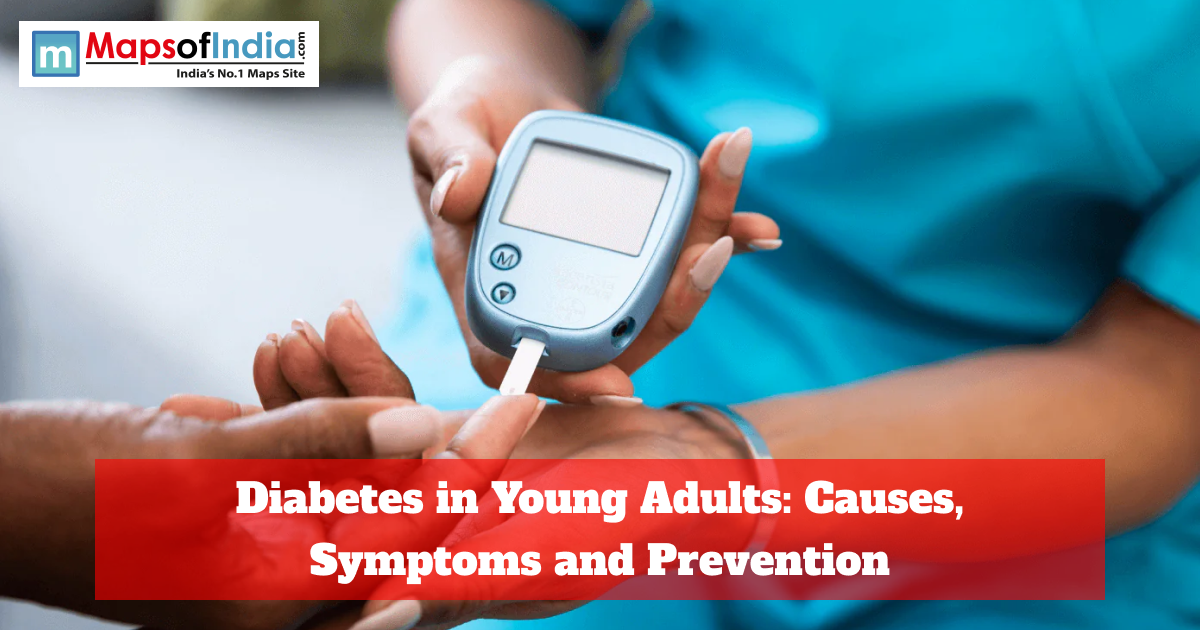
Folks in their twenties are running into health surprises more often now. Not so long ago, diabetes showed up mostly in older age groups. These days, it’s hitting thirty-somethings just as hard. Constant motion fills daily life, yet hides slow-building dangers. Bad food choices settle in without anyone really noticing. Years pass, pressure grows without noise. Sugar levels jump more often now. Spotting trouble early keeps people alive. Knowing what’s coming shifts worry into steps forward. Staying ahead is still within reach at any time. Small shifts add up to strong shields. It’s like hearing thunder long before the sky breaks open.
Rising Rates in Young Adults
More young people than ever are getting diabetes. This jump mostly comes from type 2. It used to show up almost never in kids. Now millions around the world face it. Big cities in India see growing numbers fast. Sitting all day at work plays a big part. Meals made at home now sit on fewer tables. Upward ticks in weight problems show no slowdown. What genes give, behaviour can worsen. A relative’s past illness hints strongly at personal odds. When it starts young, the body bears it longer. Out of nowhere, problems start earlier than anyone thought. Life feels much harder, day after day. Hospitals and clinics get stretched thinner each month..
Early Onset Main Reasons
Over time, daily habits start to dull the body’s response to insulin. Belly fat plays a key role in setting off this chain. Inflamed tissues create a hidden bridge between weight gain and blood sugar trouble. When sugary foods flood the system day after day, the pancreas never gets a break. When you eat refined carbs, sugar shoots up fast in your bloodstream. Muscles take in less glucose if movement is rare. Not sleeping enough throws off hormones that control hunger and energy. Stress wears on the body, pushing cortisol higher over time. Insulin response falters when hormones shift out of balance. Some drugs sometimes make it worse.
Key Risk Factors to Monitor
Family roots run deep. Genes set things up, and daily habits decide what happens. Where you come from shifts how vulnerable you are. People of South Asian descent carry a greater risk even when their body weight seems fine. The body learns bad habits early. Heavy kids often stay heavy as grown-ups. When moms have sugar trouble during pregnancy, babies face tougher odds later. Puffing on cigarettes messes up pipes inside the body, along with how fuel gets used. Heavy drinking messes up how the liver handles sugar. When mood struggles show up, taking care of oneself often slips. Money and social standing can block paths to good meals.
Early Signs to Notice
Out of nowhere, needing the bathroom a lot means sugar overload, leaving through urine. When fluids vanish like that, thirst kicks in without warning. Eating just the same still, pounds drop for no clear reason. Rest does not fix the tiredness; it sticks around anyway. Mistiness in sight happens when the eye’s lens puffs up. Healing that drags on points to weak blood flow. Fingers and toes tingle before they go blank. Skin and mouth get hit again by sickness. Stomach growls rise as fuel runs low. Mood swings often tie back to shifts in blood sugar levels. At times, changes in menstrual cycles catch a woman’s attention. Trouble with erections might show up first in men.
Diagnostic Tests and Monitoring
When you haven’t eaten, your blood sugar shows a clear starting point. After drinking sweet liquid, how your body reacts becomes visible. Your red blood cells hold onto sugar traces for weeks on end. Any time of day, high readings can reveal sudden surges. Devices used at home map fluctuations across days. Watching sugar levels happens all day with special devices. One kind of test spots differences between diabetes types using body markers. The amount of a certain substance shows how much insulin the body makes. Doctors suggest checking once each year if the risk is higher than average. Finding problems early helps avoid serious issues later.
Lifestyle Adjustments That May Reduce Risk
Moving most days sharpens how your body handles sugar. Try hitting 150 minutes of light sweat each week. Lifting things that challenge you adds tissue that burns blood sugar. Eating mostly unprocessed items keeps energy steady. Fibre gets a boost when veggies and beans show up on your plate. Refined sugar is Better kept small; the same goes for anything heavily processed. Cells run better with good fats in the mix. Too much food at once piles on calories – size matters more than most think. Staying at a healthy weight cuts risks by a lot. Just a little less body mass makes a noticeable difference. When you sleep enough, your appetite stays more balanced.
Diet and Lower Health Risks
Glucose trickles out gently when whole grains break down. Blood numbers stay even with lean proteins around. Healthy fats come through clearly in nuts alongside seeds. Sweet urges meet their match when fruit stays intact. Sugary drinks are best left untouched entirely. Thirst was quenched well by water along with plain tea. Eating at steady times avoids long gaps followed by heavy meals. Some signs point to intermittent fasting working, though care is needed. Paying attention while eating cuts down on automatic snacking. Much like picking better fuel keeps an engine running right.
Physical Activity Recommendations
Each day, a fast walk lays down solid groundwork. On two wheels, motion happens without harsh strain. Water carries you while every muscle gets used. Moving through poses eases tension along with effort. Short bursts of speed light up energy burn behind the scenes. At first, showing up often beats pushing hard. Pick moves that feel good, so you keep doing them. Being part of a group can spark extra drive. Seeing small wins helps you keep going. Over time, working out fits into daily life without effort.
Medical Help If Required
Most of the time, doctors usually start with metformin. Blood sugar holds steady even as pounds fall using GLP-1 meds. Organs like the heart and kidneys find support through SGLT2 inhibitors. When the body stops making insulin, injections enter the routine. Keeping up requires regular level checks. At first glance, an eye exam can reveal early signs of retinopathy. Foot care prevents problems down the road. Lab tests show kidney function changing slowly. Heart health deserves attention right from the start.