
Once, going far meant long voyages on water followed by land crossings. Far edges of the map remained unknown, hidden by time and distance. Trips stretched across many weeks, sometimes even years. Places at the journey’s end seemed full of wonder without exception. Today, machines lift humans past the sky’s edge as if it were ordinary. Out there, Earth slips into the background like any destination. A quiet shift happens when tourists start showing up in space. Floating begins with quick flights that brush the edge of orbit, sudden silence, a curved horizon. Longer visits stick around for orbits at a time. The Moon edges closer as an option. Prices move downward, step by steady step. Folks who never thought about flying now grab tickets without hesitation. Skyward journeys grow fast, faster than anyone expected. It feels like discovering an entire world floating beyond the atmosphere.
Suborbital flights are now common
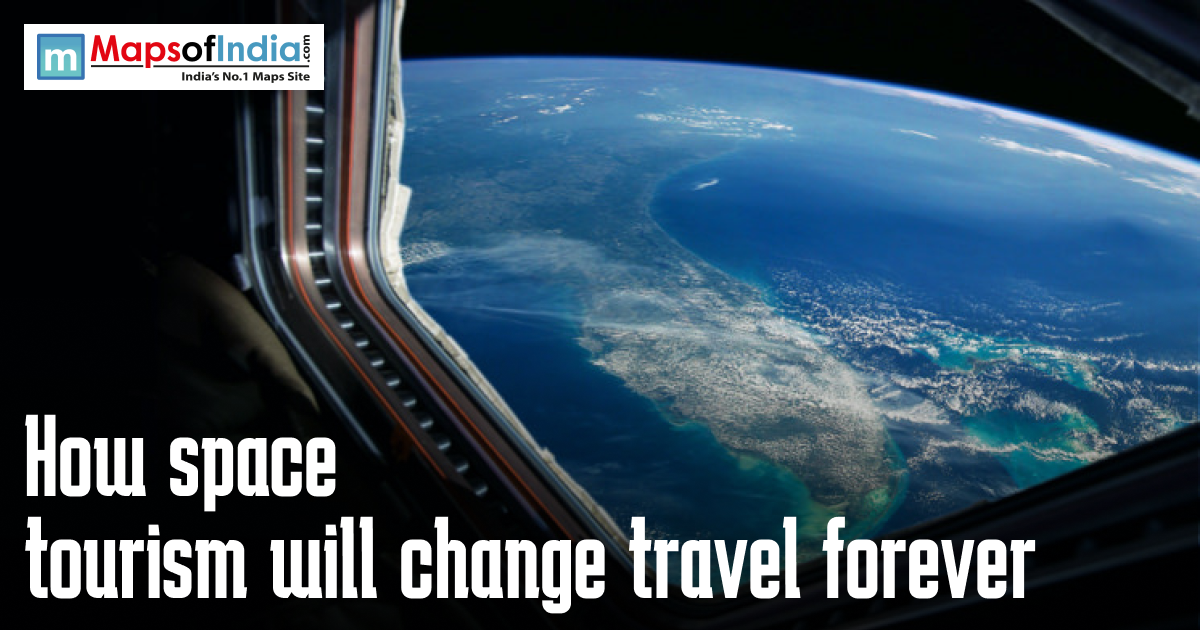
Now flying people into space, Virgin Galactic along with Blue Origin runs regular trips. In just minutes, their capsules touch the boundary of space. Weightless for a short while, travelers float inside the cabin. Down below, our planet looks like a bright blue sphere hanging in darkness. All around, an endless black sky stretches without break. Roundness of Earth shows fast through curvature. Suddenly, how you see things shifts deep inside. That moment above – hits like a quiet storm. Coming back, some just think different now. Whole trip up there takes less than sixty minutes. Feels like touching endless space for a breath.
Orbital Remains Active As Pathways Expand
Soon, space stations will open doors to private travelers. At first, Axiom pieces link up with the ISS. Vast Haven-1 takes flight on its own path. Right after comes Orbital Reef, not far behind. Floating through weeks without gravity turns real. Training for astronauts gets shorter over time. Living conditions feel better than before. Big windows show Earth nonstop. Every ninety minutes brings a new sunrise or sunset. High above the air, stars look crisper. Renting a place with that kind of sky sight is hard to beat.
Lunar Tourism Begins
Somewhere around the 2030s, people might touch down on the Moon this time through paid trips. Heading toward the southern edge of the lunar surface will be SpaceX’s big rocket flights. Step by step, NASA’s Artemis effort clears paths forward. Firms without government ties now reserve spots just like national agencies do. Places to stay overnight are being drawn up, even if only on paper for now. Moving slowly across dusty ground could feel strange under weak pull. From that spot, our planet would loom large, bright, and swirling with hues. Fossils of steps stay put long after we’re gone. Walking there feels like arriving somewhere never touched before.
Cost Trend Lowers Barriers
Flying early costs a fortune; each seat took millions. As rockets started flying again and again, prices began to fall fast. SpaceX cracks full reuse before others expect. When more companies race, every dollar counts. At first, hopping to space might ask for six digits. A shift begins as orbital trips start costing less than luxury getaways. Slowly, people with average incomes find a way in. Just like flying used to be rare, now it happens every day.
Redefining Adventure Travel
Floating takes fear to fresh levels. Free fall feels like flying without wings. Civilians might walk where astronauts tread. Dancing in zero gravity opens wild options. What you see up there outshines peak vistas below. Rush meets wonder in deep silence. Those chasing edges look beyond Earth now. Mountains once seemed highest – now they’re just the start.
Global Perspective Shifts
Seeing Earth from space gives the viewer a new way of seeing the planet we call home. Up there, people feel a strong sense of connection. Boundaries between countries fade out of sight. The planet seems delicate, more than expected. Warming trends hit harder when viewed from orbit. Pride in one nation loses some weight up high. Belonging to the whole world grows stronger somehow. Stepping back makes the familiar strange. Everything inside changes once you’ve seen it from afar.
New Industries Grow Fast
Cooking in orbit gets a fresh twist when chefs adapt recipes. You will feel more comfortable inside, it seems like sleeping pods where walls hug you gently. Therapies float beyond Earth habits at zero-G wellness zones. Trip planners shift focus toward stars instead of beaches. Ordinary people learn routines once meant for astronauts only. Risk coverage evolves slowly as policies catch up with flight plans. New markets rise not fast but step by step.
Environmental Considerations
As the rocket tries to penetrate the sky, it releases soot along with carbon. Because parts fly again, harm drops a lot. New kinds of fuel appear faster now. Tracking junk in orbit gets better each year. For now, trips just for tourists happen rarely. All together, pollution is still tiny next to planes. Travel beyond Earth acts like something fresh needs watchful care.
Accessibility and Inclusivity Challenges
Flying right now suits only some rich, well. Prep work shuts out plenty due to health rules. Change creeps in, step by step. Females, people of color inch into training circles. Aid funds appear, bit by bit. Goal down the road? Wider doors. Imagine stardust handed round, not hoarded.
Cultural and Philosophical Changes
A change stirs beyond the edge of sight. Beneath your feet, stillness slips away. When starlight comes close, edges fade into haze. What stood firm before now rocks, unsteady, like wood on water. Out past the dirt, the grass keeps going. New tales begin colouring broader views. What people once thought shifts beneath the night light. Looking up known forms turns strange.
Technological Ripple Effects
Up there, tourism pushes rocket reuse forward. Tougher materials emerge when heat and cold swing hard. Machines now handle chores once done by hand. Vital signs get tracked down to the smallest shift. Support gear evolves faster than expected. Innovation flows both ways; what lifts off changes life below.
Future of Human Travel
Far beyond what was imagined, people kept moving farther. Oceans blocked every route until they did not. Flying above clouds sounded like nonsense decades ago. Now tickets to orbit are being sold, slowly. What feels unreachable today shifts tomorrow. New places appear faster than old ones fade. The road stretches, always just ahead.