
Forward pushes technology without pause. Things dreamed up in old sci-fi stories now show up as sketches in labs. Life by 2030 looks nothing like today. Machines get tinier but think better. Displays either vanish or bend into pockets. Watching your body’s state never stops. Power comes more from clean options. Out of nowhere, links between devices feel like magic. Before you ask, houses already know what comes next. Getting around flows smoothly while caring for the planet. What arrives soon brings ease along with quiet awe. Tomorrow slips in without warning, tucked into corners of daily life. New chances begin like that, soft, unannounced.
Brain Computer Interfaces Enter Everyday Use
By 2030, brain implants might read minds. Neuralink isn’t alone in chasing that edge. Cursor control flows straight from thought, especially for those paralyzed. Robotic arms respond without a twitch of muscle. Typing through thinking it could beat hands at speed, even for healthy people. Games shift into full mental immersion, no controllers needed. Speech fades out; communication runs silently between brains. At first, people worry a lot about privacy.
Foldable And Rollable Displays Are Becoming Widespread
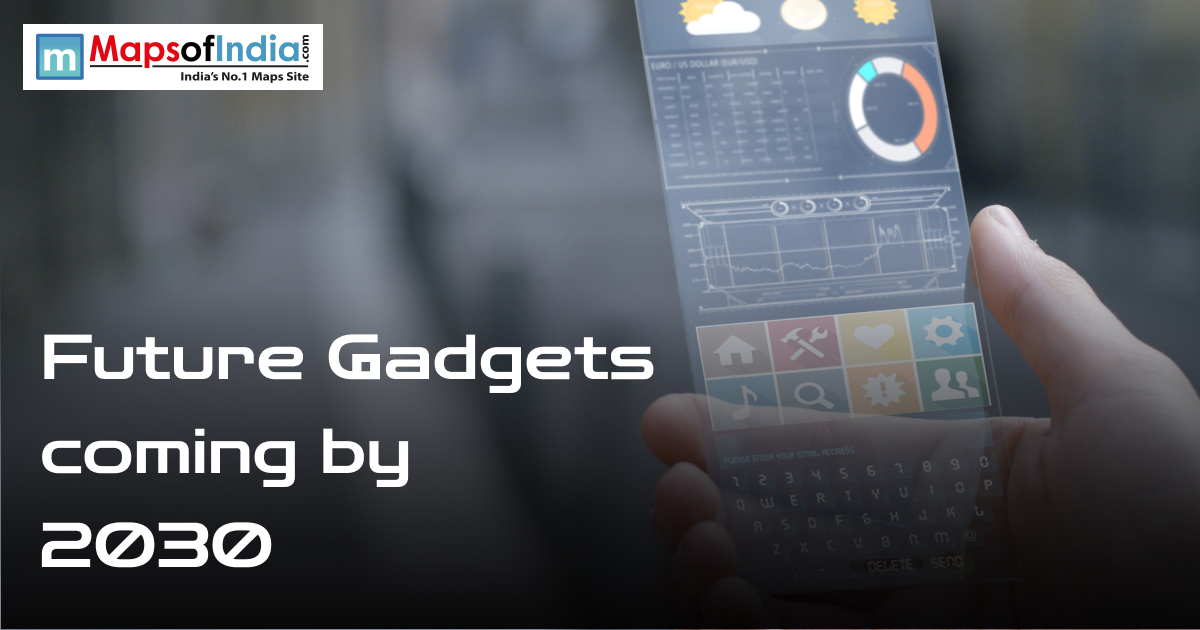
By 2030, flexible screens will have finished evolving. Folding phones are becoming common, shrinking neatly into small blocks. Instead of flat slabs, tablets twist into cylinder shapes. Laptops gain full rear flexibility. Wrist-worn displays curve smoothly around arms. See-through OLED panels appear inside car glass and home panes. Toughness matches that of tempered glass. Making them gets much cheaper. Fashion accessories bring moving textures into daily life. Picture holding a full movie display inside your coat.
Smart Glasses Take Over Phones
Every day, glasses feel light as air. Information slips into view without effort. Arrows guide your path right on the pavement. Words hover quietly during talks, changing languages mid-air. People join calls like they’re standing in the room. A flick turns off recording eyes fast. Power lasts longer thanks to smarter processors. People are embracing it faster than expected. It feels like a silent digital veil draped across the world.
Solid State Batteries Change How Things Work
Suddenly, old lithium-ion limits just fade away. With solid electrolytes, energy packs down tighter without risk. In one-tenth of an hour, batteries refill fully. Drivers stop worrying about how far they can go in electric cars. One day, phones might barely need charging at all. Weeks go by before laptops seek a socket. Fires tied to power sources become rare almost overnight. Factories pump out these gadgets like never before by 2030. They grow so slim, so featherlight, it feels unreal. A world where dead batteries fade into memory quietly, finally gone.
Personal AI Companions Start Acting On Their Own
Something smart now acts ahead of time. These tools guess what comes next instead of waiting. A kitchen cooler might buy food by itself. Your daily planner shifts times without asking. Devices watching health speak up before problems show. Machines pick up how people feel, more or less right. Control over personal data remains firmly in human hands. What if a tool knew your habits before you did? It could feel like walking into a room where someone had already turned on the right light.
Smart Homes Learning Your Habits
Living spaces start behaving like breathing things. Movement gets noticed down to small routines. Brightness shifts based on how you feel or what you’re doing. Different rooms hold their own warmth levels. The house knows who belongs without hesitation. Now the lights know when to dim. Devices trade signals without asking. Speech slips into background noise. Almost as if walls learn to breathe more slowly.
Wearable Health Supercomputers
Each morning, it sticks close, a quiet observer of rings and patches teaming up. Blood sugar moves are tracked nonstop, no poking needed. When the heart stumbles, slips, it sees it right away. Sleep layers unfold slowly, piece by hidden piece. A warning hum grows louder long before things break. When light climbs too high, alerts follow fast. Sips show up exactly when needed most. Messages glide into medical rooms without pause. First hints connect to help that never stops.
Sustainable Personal Mobility Devices
Up in the air, small electric flyers now cost less. These flying machines shuttle people across cities without runways. Riding a personal hover board? That idea works better today. Bikes that fold up squeeze into tight living spaces. One-wheeled rides stay upright on their own much more smoothly than before. Plugs and power spots pop up almost everywhere. Going further without recharging happens more often. Jumping short distances overhead feels like just another way to roll.
Holographic Communication Devices
Picture a person standing in front of you, life-sized, inside the display. As they move, the image follows the camera’s capture of each small motion. Speedier connections stop delays, so actions stay fluid. Meetings feel like face-to-face chats over coffee. Distance fades when family appears close, though far away. Someone might notice less if you tweak who sees what, right when it matters. Appearing near someone, that feeling popped up instantly, no wait, only now.
Energy Harvesting Wearables
Always on, clothes make energy nonstop. Heat from the skin turns into an electric current slowly. As you move, your steps feed small electronics quietly. Tiny solar fibres drink up the everyday light around. Walking builds up stored motion power gently. Power packs get way smaller than before. Gadgets run by themselves more often now. Imagine carrying hidden generators through fabric closely.
Quantum Sensors Inside Common Items
Fine-tuned sensors now fit into tiny spaces. With phones, reading invisible forces becomes routine. Early signs of body changes show up on personal devices. Underground paths get mapped without satellite help. Air quality shifts follow people through daily life. Fences around a house hum with quiet awareness. The tools we touch every day wake up, noticing what people miss.
The Rise of Customized Experiences
Machines begin to learn human habits deeply. Screens no longer stay static, but gradually change to match tastes. Recommendations seem to be too accurate, in some way, almost. Health advice neatly corresponds to the way a person lives. Films and songs vary with moods; no one even asks. The privacy regulations are strict, protecting the main things. There is always a decision of the human being, every time, no exception. Picture it, everything is slightly distorted, only for one, and no noise.
Riding The Next Shift
Things shift, slowly but without fail. Staying flexible turns into a must-have trait. Knowing how to handle digital tools matters more each day. Right choices shape what comes next. Gains show up clearly if handled with care. What lies ahead holds energy mixed with uncertainty. Standing there brings a sense of stepping somewhere uncharted.