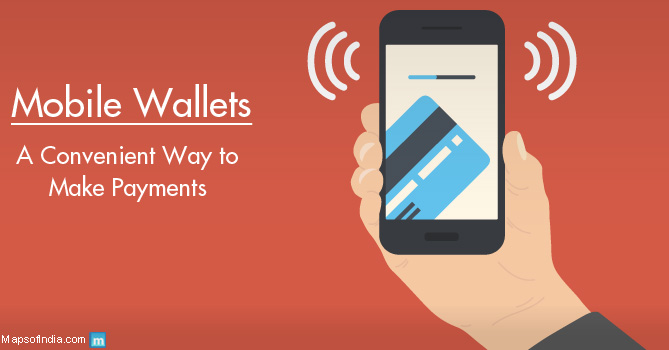
 Mobile Wallets, which are electronic accounts, are based on NFC (near-field communication) technology and are the current and modern trends in India. Mobile wallets, which can be easily maintained on cell phones, have completely changed the way people make payments. The consumers can use their mobile phones to pay for various types of services rather than making payments in cash or by cheque and credit cards.
As the carrier charges were high, Java-enabled and internet-based phones were rarely used and the utilisation was only limited to SMS and calling options before the arrival of smartphones. Current growth of the International Mobile Wallet market has been very much fascinating and challenging.
According to TechNavio’s analysts, the Indian Mobile Wallet market will grow at a CAGR of 140.87 percent from 2013 to 2018. India is a developing market for mobile payments and offers a tremendous opportunity for non cash based payments. The easiest and effective way of tapping the Indian consumer base is via mobile phones.
Various e–commerce and telecommunication companies have started their digital wallet services for the benefits of the consumers. . The only thing a consumer has to do is to preload money and then it can be used for services or transfer to other accounts. Paytm, Citrus, Oxigen, Freecharge, Mobikwik, Airtel Money, Vodafone M – Pesa etc are some example of the mobile wallets.
The service providers for the Mobile Wallets mainly target the young tech-savvy people who have bank accounts and those who do not have any bank account at all.
According to Udit Sharma, Vice President of Oxigen, as told to iamwire, “Users can be classified into four categories. First category is of people who have credit/debit cards and are at ease using that mode of payment. Second category people are those who have cards but still prefer using COD. Third category is people who do not have cards, so they have to use COD. And the fourth category is of people who want to use COD but merchants do not deliver products to their pin codes. Mobile wallets address issues of all four categories of people. It caters to users convenience over using cards. Availability of a person to make COD is mandatory, however with the wallet this problem also gets solved. It a tough pull for the industry to get all COD users to mobile wallet but ultimately it holds immense scope.”
Mobile Wallets, which are electronic accounts, are based on NFC (near-field communication) technology and are the current and modern trends in India. Mobile wallets, which can be easily maintained on cell phones, have completely changed the way people make payments. The consumers can use their mobile phones to pay for various types of services rather than making payments in cash or by cheque and credit cards.
As the carrier charges were high, Java-enabled and internet-based phones were rarely used and the utilisation was only limited to SMS and calling options before the arrival of smartphones. Current growth of the International Mobile Wallet market has been very much fascinating and challenging.
According to TechNavio’s analysts, the Indian Mobile Wallet market will grow at a CAGR of 140.87 percent from 2013 to 2018. India is a developing market for mobile payments and offers a tremendous opportunity for non cash based payments. The easiest and effective way of tapping the Indian consumer base is via mobile phones.
Various e–commerce and telecommunication companies have started their digital wallet services for the benefits of the consumers. . The only thing a consumer has to do is to preload money and then it can be used for services or transfer to other accounts. Paytm, Citrus, Oxigen, Freecharge, Mobikwik, Airtel Money, Vodafone M – Pesa etc are some example of the mobile wallets.
The service providers for the Mobile Wallets mainly target the young tech-savvy people who have bank accounts and those who do not have any bank account at all.
According to Udit Sharma, Vice President of Oxigen, as told to iamwire, “Users can be classified into four categories. First category is of people who have credit/debit cards and are at ease using that mode of payment. Second category people are those who have cards but still prefer using COD. Third category is people who do not have cards, so they have to use COD. And the fourth category is of people who want to use COD but merchants do not deliver products to their pin codes. Mobile wallets address issues of all four categories of people. It caters to users convenience over using cards. Availability of a person to make COD is mandatory, however with the wallet this problem also gets solved. It a tough pull for the industry to get all COD users to mobile wallet but ultimately it holds immense scope.”
Mobile Wallets, which are electronic accounts, are based on NFC (near-field communication) technology and are the current and modern trends in India. Mobile wallets, which can be easily maintained on cell phones, have completely changed the way people make payments. The consumers can use their mobile phones to pay for various types of services rather than making payments in cash or by cheque and credit cards.
As the carrier charges were high, Java-enabled and internet-based phones were rarely used and the utilisation was only limited to SMS and calling options before the arrival of smartphones. Current growth of the International Mobile Wallet market has been very much fascinating and challenging.
According to TechNavio’s analysts, the Indian Mobile Wallet market will grow at a CAGR of 140.87 percent from 2013 to 2018. India is a developing market for mobile payments and offers a tremendous opportunity for non cash based payments. The easiest and effective way of tapping the Indian consumer base is via mobile phones.
Various e–commerce and telecommunication companies have started their digital wallet services for the benefits of the consumers. . The only thing a consumer has to do is to preload money and then it can be used for services or transfer to other accounts. Paytm, Citrus, Oxigen, Freecharge, Mobikwik, Airtel Money, Vodafone M – Pesa etc are some example of the mobile wallets.
The service providers for the Mobile Wallets mainly target the young tech-savvy people who have bank accounts and those who do not have any bank account at all.
According to Udit Sharma, Vice President of Oxigen, as told to iamwire, “Users can be classified into four categories. First category is of people who have credit/debit cards and are at ease using that mode of payment. Second category people are those who have cards but still prefer using COD. Third category is people who do not have cards, so they have to use COD. And the fourth category is of people who want to use COD but merchants do not deliver products to their pin codes. Mobile wallets address issues of all four categories of people. It caters to users convenience over using cards. Availability of a person to make COD is mandatory, however with the wallet this problem also gets solved. It a tough pull for the industry to get all COD users to mobile wallet but ultimately it holds immense scope.”
Mobile Wallets, which are electronic accounts, are based on NFC (near-field communication) technology and are the current and modern trends in India. Mobile wallets, which can be easily maintained on cell phones, have completely changed the way people make payments. The consumers can use their mobile phones to pay for various types of services rather than making payments in cash or by cheque and credit cards.
As the carrier charges were high, Java-enabled and internet-based phones were rarely used and the utilisation was only limited to SMS and calling options before the arrival of smartphones. Current growth of the International Mobile Wallet market has been very much fascinating and challenging.
According to TechNavio’s analysts, the Indian Mobile Wallet market will grow at a CAGR of 140.87 percent from 2013 to 2018. India is a developing market for mobile payments and offers a tremendous opportunity for non cash based payments. The easiest and effective way of tapping the Indian consumer base is via mobile phones.
Various e–commerce and telecommunication companies have started their digital wallet services for the benefits of the consumers. . The only thing a consumer has to do is to preload money and then it can be used for services or transfer to other accounts. Paytm, Citrus, Oxigen, Freecharge, Mobikwik, Airtel Money, Vodafone M – Pesa etc are some example of the mobile wallets.
The service providers for the Mobile Wallets mainly target the young tech-savvy people who have bank accounts and those who do not have any bank account at all.
According to Udit Sharma, Vice President of Oxigen, as told to iamwire, “Users can be classified into four categories. First category is of people who have credit/debit cards and are at ease using that mode of payment. Second category people are those who have cards but still prefer using COD. Third category is people who do not have cards, so they have to use COD. And the fourth category is of people who want to use COD but merchants do not deliver products to their pin codes. Mobile wallets address issues of all four categories of people. It caters to users convenience over using cards. Availability of a person to make COD is mandatory, however with the wallet this problem also gets solved. It a tough pull for the industry to get all COD users to mobile wallet but ultimately it holds immense scope.”