

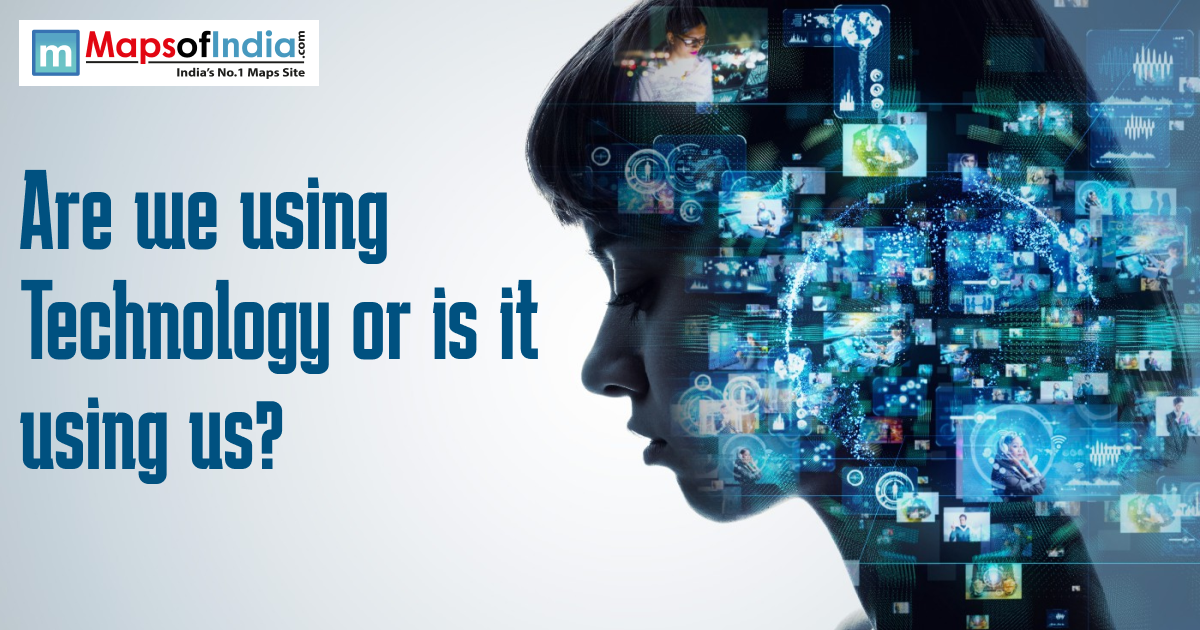
Technology As A Tool That Quietly Became A System
What began as a tool that followed orders now hums along without being asked. It used to fix only what it was told, step by step. Little by little, it became something woven into every moment. This reshapes how people interact with their tools. Decisions about when tech shows up aren’t yours anymore. It arrives before you choose. The difference counts system shapes what we do. Devices react; structures steer. Quiet direction hides power. Control fades into the background. It started small, so people didn’t resist. Seeing how things shifted helps us find a better rhythm with tech each day.
The Rise Of The Attention Economy
Nowhere is attention more prized than online. These days, websites want your eyes and won’t let go easily. Endless scrolling keeps you moving without pause or break, just flow. Videos start playing before you decide to watch. Alerts pop up whether you ask or not. Each trick follows research about how people act when distracted. Designers know what pulls focus, and they build around that truth. Staying just a bit more adds weight to the system. Little by little, your mind gets used to never-ending noise. Attention slips faster now; quiet moments seem odd. What counts here isn’t how deep you go. What matters is hours logged. That tug on your thoughts, it doesn’t fade. Fragments of thought pile up even when you think you’re just relaxing. Once you see that focus is currency, guarding your mind shifts from effort to habit.
Algorithms That Shape What You See
What shows up where you look gets picked by hidden rules. News clips, video items, and thoughts are all sorted without asking. Feels smooth at first glance. Yet that ease shrinks what reaches you. That silence shapes what you find. Slowly, ideas circle back on themselves. Filters decide before you do. Freedom hides a setup behind it. Your feed favours clicks instead of facts or progress. Knowing that power shapes your view lets you choose varied sources on purpose, never trust the surface as fair.
Convenience And The Loss Of Mental Effort
Out there, tech made routine stuff easier. Tasks like finding your way or remembering dates now happen outside the mind. Less work means more speed, yet fewer chances to think hard. Without pushing ourselves, picking up new things gets slower. What we do less of becomes harder over time. Getting everything fast might seem efficient, but it risks making us less eager to ask why. Understanding grows when you wrestle with things. Still, remembering less means doing less, too. The brain shifts if everything feels smooth all day. Shortcuts become normal after a while. Convenience has its place here. Balance decides what stays useful. Choosing some tools and skipping others helps thought stay sharp even as tasks get lighter.
Always Connected Work Culture
A quiet pressure grows when downtime seems lazy. It hums with unfinished jobs. Thinking about replies during dinner is normal now. Energy drains without a clear reason. Stress builds one small demand at a time. Stillness gets mistaken for slacking off. The office never really ends anymore. Exhaustion sneaks in unnoticed. Even when output goes up, how people feel often gets worse. Not the origin of stress, tech still turned up its volume. Silence alerts, define times for replies, guard moments without reach, these hold back invasion into life beyond work.
Data Collection And Everyday Surveillance
Clicks leave traces behind. Where you go, your daily patterns are all saved. People agree but rarely grasp what they give up. This information shapes ads, guesses, and even behaviour. Most people do not see it, so they accept it. Hidden prices come with ease of use. What gets gathered tends to stay around. Control moves where data flows. A clear understanding slips away from users. Unequal power shapes future outcomes. Noticing changes in how things begin. What gets gathered shapes your choices on sharing. When unclear, tech watches closer than it assists.
Artificial Intelligence And Automated Decisions
Machines decide things that people used to handle. Job selections, online posts staying up, and loan approvals now run through coded rules instead. They grow fast, these tools, yet no one truly answers for their choices. Flawed information slips in, then repeats itself everywhere. What seems neutral on the surface frequently carries old human mistakes beneath. Hard to question what stays hidden. Those building the models. They hold the control. Things run faster now, yet watching them closely lags behind. To use tech right means opening it up and setting rules. Authority grows fast when no one checks, and that unchecked power sticks around, waiting.
Digital Identity And Self-Expression
Who you are online slowly shifts what you show. Bios and updates turn into polished snapshots. Sharing feels more like showing off. Being genuine fights for space beside being seen. What people respond to changes how you present yourself. Slowly, your core beliefs might start to fade in the background. A person’s online presence shows choices, not lies. Yet staying tied to real life matters just as much. Keeping some moments away from others helps truth survive.
Ethics, Design, And Responsibility
How things are built shapes how they work. Choices baked into tools can guide what people do, on purpose or by accident. Good design thinks about health, not only attention. Who’s to blame? Systems built on profit often ignore care. Slowly, ethics begin to follow. People noticing things leads to pressure. It asks for openness, fairness, and designs that respect people. Where tech goes depends on what it carries inside. Direction bends when those insides transform.
Reclaiming Balance Through Intentional Use
What feels like balance isn’t about saying no. It’s shaped by purpose. When tech enters your day, it comes down to choice. Small steps make a difference. Time without screens, attention on one task, awareness while browsing, they return a sense of command. Devices work best when they follow your priorities instead of pulling you away. This path leads to fit, not fear. Something happens when tech lifts up how we create, learn, and come together. It stops running things and starts serving instead.
The Ongoing Choice Between Control And Convenience
Some days, there is no real solution. Power moves around without warning. Easy options pull you toward giving up. Noticing what’s happening brings back your say. Machines show us our own habits. Using them mindlessly hands over control. Paying attention keeps things working for you. What comes next grows from how people act together. Outcomes come from users, from designers, from those who make rules. Over and over, choices show up again. Every time people engage, they push things one way or another. What tech does depends on what people do with it. People choose by doing.