

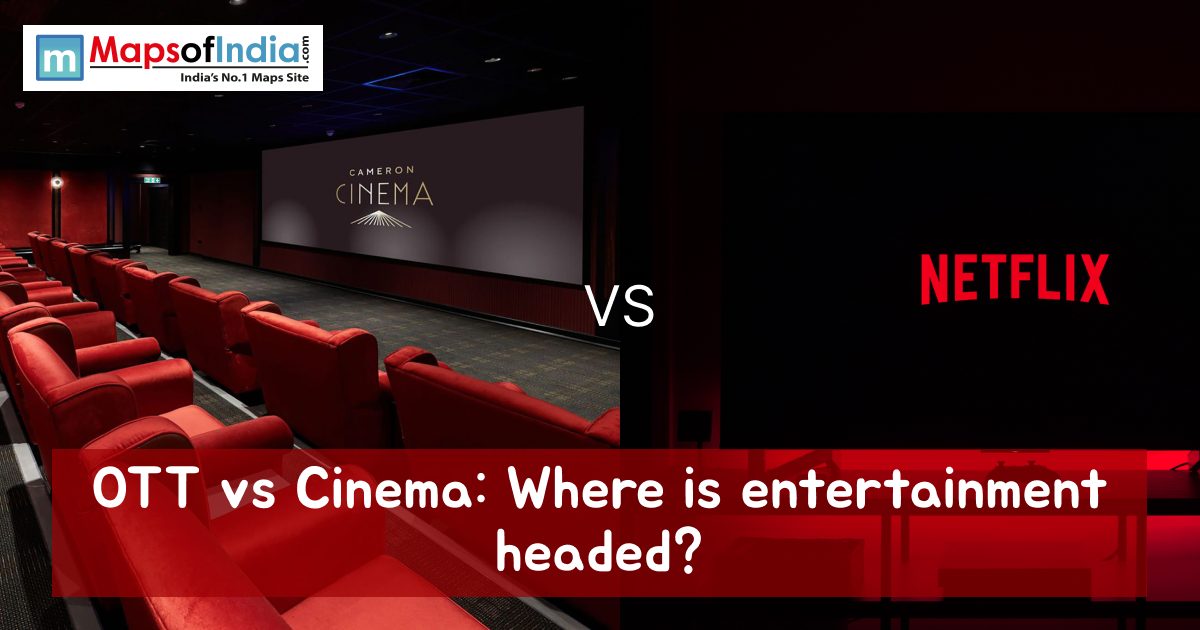
Something big is shifting how people enjoy movies and shows. Streaming services now stand alongside theatres that ruled for ages. Not one replacing the other, but both fitting together somehow. Shaped by tech advances, money factors, what viewers want, and room for new kinds of storytelling. Each piece pulls entertainment in a different direction. Now it’s not about who lasts. What matters is how they change to keep up.
Cinema Was Built As A Collective Experience
Dark rooms once gathered crowds without asking why. Big walls of light held everyone still, breathing together. Shared quiet made feelings line up, one after another. Watching turned into something huge because it happened at once, not alone. Frames moved slowly or fast, depending on how the sound pushed them forward. Halls shaped like caves carried noise in ways home corners never could. Moments stuck around later, talked about on the streets the next day.
OTT Platforms Redefined Accessibility And Control
What changed most? Viewers gained control. Shows pop up whenever, wherever, on any screen you pick. Boundaries like time zones or native tongue stopped mattering. People watch what they want, not when told. Suggestions now match taste without asking. Comfort rewired how we think about watching things. Forever.
Content Volume Changed Viewing Habits
What people watch shapes how they feel now. Streaming services? They flood you with choices – whole libraries drop every year. Because there is so much, viewers bounce between shows, never settling long. Theatres put money into just a few big films each season. On demand loves constant newness. That rhythm changes what sticks, what gets remembered, and why we care.
Creative Freedom Expanded On Streaming
Nowhere else could storytellers stretch so far. Streaming broke old rules without asking permission. Time no longer rushes scenes into tight boxes. Different tongues got room to breathe, not just one. Odd ideas, once too strange for screens, now had a place. Risky plots with quiet pacing slipped through. Endings refused neat bows, stayed open instead. Directors saw the freedom they rarely held before. Writers followed where control felt lighter. The chance to make something unseen pulled many in.
Cinema Still Dominates Spectacle-Driven Storytelling
Big moments on screen find their truest home in movie theatres. When explosions light up the room, and music shakes the walls, it feels real. Other people’s gasping makes you feel it more. Watching alone just does not hit the same way. Something about shared darkness changes how stories land. Event movies were made for that kind of crowd energy. Visual magic spreads wider when everyone sees it together.
Star Power Is Being Redefined
What used to shine brightest in film isn’t the same today. Big names once carried movies straight into theatres. That pull weakened when streaming stepped in. Reputation grows through steady work beyond just one screen. Fame spreads wider, less centred on a single face. How well someone acts holds greater weight than early box office results.
Audience Demographics Are Fragmenting
Teens want quick, tailored content at their fingertips. Meanwhile, older groups often prefer the big screen’s draw. City habits split sharply from those in remote areas. Streaming fills gaps where theatres never reach, mainly by phone. Out here, movie theatres mostly stick to areas already packed with resources. Because of who lives where, plans ahead are taking a different shape now.
Regional Content Found Global Visibility Through OTT
Stories once stuck in one place now travel worldwide. Thanks to streaming, local tales play on screens far away. Words at the bottom or new voices let more people understand. Films from lesser-known areas found fans across continents. Big theatres could not spread like that – no nearby cinemas meant few viewers. Suddenly, everyone got a chance to be seen.
Binge Culture Changed Narrative Structures
Stories now unspool differently because people watch in bursts. Since viewers click play at odd hours, scripts glue moments together like a trail. One scene slips into the next, barely pausing for breath. Suspense creeps forward, stretched across months that pass in minutes. Film stays tied to clear stops and sharp conclusions. This difference shapes who gets cast, where the lights point, and what lines survive edits.
OTT Faces Saturation And Discovery Challenges
Too much stuff online leaves people overwhelmed. Because of that, finding something good feels harder now. People are tired of paying for too many services. What matters most might shift from how much there is to how well it’s chosen. When clutter builds up, smart sorting could matter more than endless options.
Cultural Impact Differs Between Medium
Weekend showings stick in people’s minds just as much as certain movie scenes do. What you see in theatres often turns into something everyone talks about right away. Streaming shows take longer to move through conversations. Their effect lingers, even if it doesn’t hit all at once; how stories are told shapes how they’re remembered.
Revenue Sustainability Remains Uncertain For OTT
Heavy investment in shows meets tight pricing choices. Slower sign-ups mark places where audiences already use such platforms heavily. Some companies test bundled advertising options alongside local price adjustments. How they manage long-term financial balance shapes what comes next.
Hybrid Models Are Becoming The Norm
What we’re seeing lately is a shift toward hybrid models. Content gets planned with options – not just one fixed route. A film might open in cinemas, or it could land straight online. Where it shows up ties back to what kind of story it is, how much was spent, and who’d want to watch. Flexibility isn’t new, but using it wisely? That’s the sign of an industry growing into itself.
Technology Will Further Blur Boundaries
Home entertainment keeps changing fast. Projection and audio gear at home grow sharper every year. So does virtual reality. These shifts pull movie experiences closer to living rooms. Yet cinemas are not standing still. They experiment with strong sensory effects too. One place feels more like the other now. Lines between them twist without vanishing completely.
Where Entertainment Is Truly Headed
Entertainment’s path? Sharing space instead of fighting for it. Streaming steps in when closeness matters most. Cinema shows up when size does. Feelings drive one. Group energy fuels the other. Getting why they differ – that’s where results begin. Holding back change only slows what’s already unfolding.
Final Perspective
Here is a different rhythm. Streaming changed movies, true. Yet theatres still hold ground. Because some things only happen on big screens. People pick where they watch. That freedom matters now more than ever. Adaptation wins over resistance every time. What lasts adjusts without losing its soul. Fun does not mean picking one path. New options keep opening up instead.