

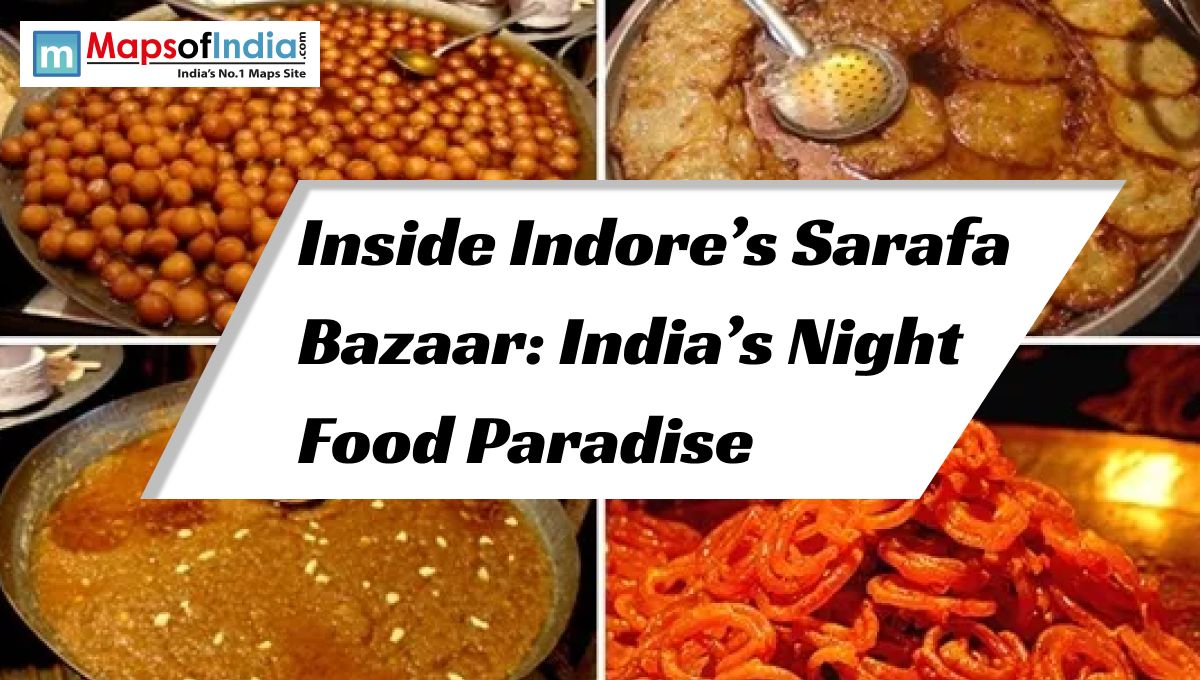
When daylight fades, Sarafa Bazaar stirs. As the sun dips, jewel stores shutter their fronts. Flickering bulbs spark to life. Metal trays clang nearby. Grease hums in hot pans. A flood of faces moves through. This is Indore’s legendary evening eat-street waking up. Daytime gold gives way to nighttime feasts under naked lightbulbs. Midnight finds two hundred vendors packed tight along the slim street. Smells twist together sugar, heat, tang, and richness, all jumbled in harmony. Crowds press close: parents with kids, young adults out late, travellers, people still wearing work clothes. Sparks fly from dusk until nearly dawn. It hums like a feast dreamt up by the city itself, where eating means breathing easier.
The Day-To-Night Transformation
Few people know mornings here trade only gold and silver. Glass cases hold tight rows of bracelets, rings, tiny earrings shaped like flowers. Sellers speak soft words while weighing coins on old scales. When evening air turns cool, the final buyer waves goodbye. Metal doors rattle shut without warning. Folding legs snap open beneath wooden planks. Blue flames rise under heavy pans. Yellow fat sizzles inside round-bottomed woks. Evening falls, shop shutters roll up with a rattle. Around that time, those who sell rings started selling chai instead. A slow shift, no fuss. By nine, bodies fill the alley like spilt ink. Smells twist together hot oil, powdered sugar, traces of brass dust. People barely notice how one scent rides alongside another. It unfolds without effort, nightly. Much like curtains parting on their own after a silent cue.
Poha And Kachori Are Eaten Late At Night
Midnight rolls around, still, Poha owns Sarafa. Flattened rice gets a light wash by vendors. Turmeric joins in, then onions, peanuts, and curry leaves, all stirred slowly. From above, sev falls like confetti. Fresh onion bits bring sharp crackle. Every serving wakes up with a lemon twist. Hot kachori shows up already puffed. The moong dal inside carries a sharp kick. A swipe of imli chutney cuts through the burn. Outside, it cracks just right when bitten. You’ll almost always find them paired at roadside stands. Sometimes folks stand while eating. Other times, they sit on small blue seats made of plastic. A meal appears late at night, just past twelve. It arrives fast but feels warm somehow.
Bhutte Ka Kees Soft Corn Warmth
Foamy milk carries soft corn through a slow dance of spice. Warmth rises from bhutte ka kees much like a blanket made of steam. A kick comes quietly, black pepper meets green chilli without warning. At the finish, fresh coriander lands like confetti on hot soil. Midnight brings vendors scraping corn cobs clean. Each bite crackles with sugar-sharp pop. First-timers show up wide-eyed, hands out. Back they come when streetlights hum again. Rain-season warmth trapped on cold metal trays without season.
Garma Garam Jalebi And Rabdi
Fermentation changes the jilebi batter while the world sleeps. Poured into hot ghee, it squirms like a living thread. Crispness grabs every curl, fast and even. Then sugar syrup takes hold quickly, deeply. The low flame coaxes thick cream from milk till it coats the back of a wooden ladle. Into this, crushed cardamom falls softly, then grains of sugar dissolve at their own pace. As it flows, hot streams curl around brittle coils of jalebi. Crunch comes before the melt, each time. Light gives way when crisp edges meet tender inside. Gold breaks fast while velvet lingers behind.
Dahi Vada With Moong Daal Halwa
A soft dahi vada sits gently on the plate. Soaked deep, the lentil fritters soak up sour yoghurt. Over them, a slow river of sugary tamarind drips down. Then comes sev, then bright red pomegranate seeds pop through. The warm moong dal halwa glows, holding heat like light saved from day. Midnight often brings a quiet kind of hunger. Grain by grain, the lentils give way under low heat, soaked in ghee. Instead of rushing, the sugar syrup moves slowly, drizzling through with care. Near the end, chopped nuts settle on top, barely making a sound.
Malpua And Kheer Sweet Endings
Golden malpua sizzles in bubbling ghee. A mix of wheat flour with ripe banana keeps the texture airy. While still warm, they drink up sweet sugar syrup. Often, a slow pour of thick rabdi drapes each piece. Thick cream rises first when some sellers stir in buffalo-milk rabri. A drift of cardamom, then saffron, fills the space between bites. Each mouthful moves like a quiet pause, drawn out without hurry. Plastic plates hold what feels fit for thrones. Eating here, it lingers longer than expected.
The Night Economy And Vendor Life
A few hours after noon, stall prep kicks off. Most stands are family-run affairs, handed down through the years. One parent fries while the other mixes sauces by hand. The young ones take orders up front. Others count money behind cloth counters. Some lineages trace back three deep in time. Money stretches when visitors arrive each year. Quiet months bring strain without warning. Still, something about flavour holds everything upright. Fierce still is the competition, though kindness never leaves it behind. A bit like kin running a shop where lamps glow above sidewalks after dark.
Tips For First-Time Visitors
Later in the evening works best, once past nine, when things get busy. Footwear should support long standing without strain. Bring bills of low value, easier for quick exchanges. Order together so everyone tries a bit of everything. Begin simply by trying poha followed by kachori. Empty your belly before tasting jalebi with rabdi. Locals will point you to the best street vendors. Drift through the crowd, soak up the noise. Stepping in feels like finding heaven when hunger hits hard.
Cultural Meaning Behind Late Night Meals
Under the dim glow of roadside bulbs, people gather without rush. Evenings pull families out once offices shut down. Workers trade desks for plastic stools by 9 p.m. Visitors fall into step without trying hard. Talking stretches longer when plates keep arriving. Jokes bounce between bites. Belonging shows up in steaming bowls and tired smiles. Nights shape bonds better than any rule ever could.
Tomorrow’s Sarafa Bazaar
Fame keeps finding Sarafa, slow but sure. Not long ago, a few food writers showed up; now they come most weeks. Stories about the place pop up on national TV, sometimes twice a month. Cleanliness is better today than last year, little by little. Tables appear here and there, as space allows. Still, nothing feels forced or rushed. Old flavours stay untouched, guarded like family recipes. Even as things shift, it holds tight to what made it special at first, like midnight songs sung the same way for decades.