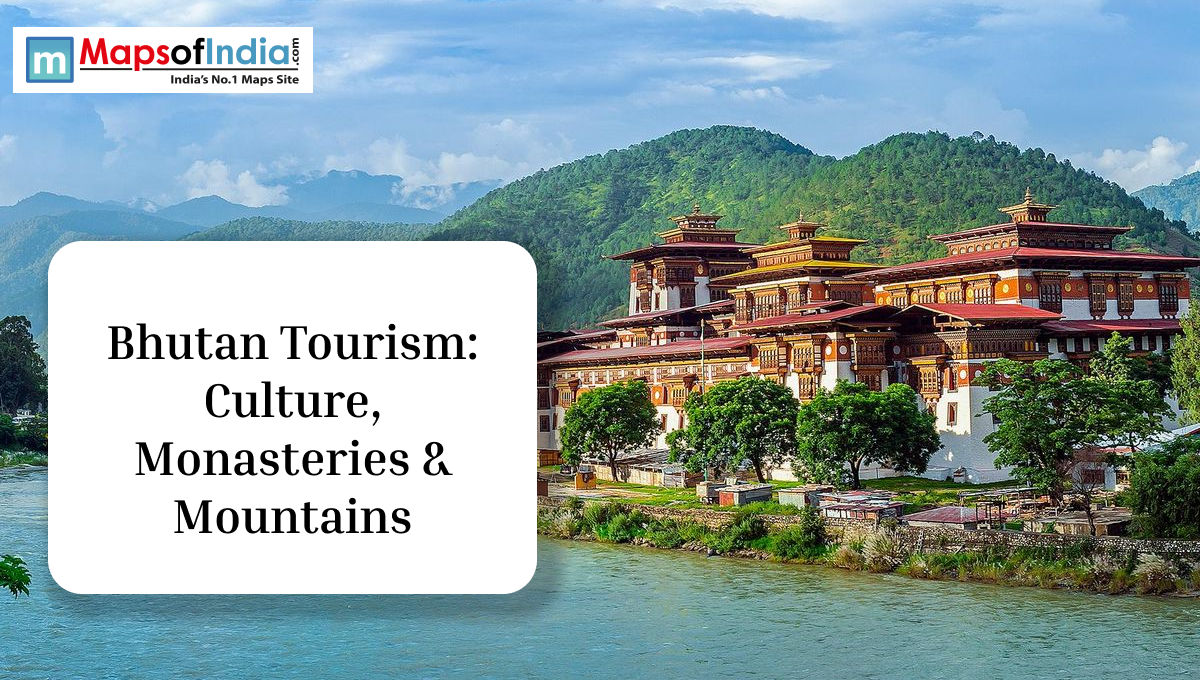
Step by step, Bhutan lets the world come closer. Happiness matters more than numbers here; that is what sets the rhythm. Visitors arrive with proper permission. Silence remains in this holy ground, without disturbance. Advertising never stains the mountain views. Flying clouds wave above the white mountains. Perched on rock edges, old temples seem to rest there naturally. Homes sit tucked into lush lowlands. Water cuts shiny trails between trees. The land gives calm views, nothing loud. Those who look slowly find more. Tradition moves through routines, never performed just for the eyes. High peaks rise without sound. Much like a nation deciding on a modest size to keep a deeper meaning alive.
Thimphu Where Happiness Meets Tradition
Floating above the treetops, Thimphu stretches through a tight valley, no traffic lights in sight. Quiet streets hum alongside centuries-old customs. Inside Tashichho Dzong, power sits where paper meets prayer. Sunlight catches golden rooftops like fire on emerald slopes. Farmers arrive by foot every Saturday, baskets heavy with red rice, along with dried chillies. A long time back, Bhutanese homes looked much like what you see at the Folk Heritage Museum. Inside the Textile Museum, old ways of threading cloth come alive through detailed work. Perched on a hillside, the Buddha Dordenma figure overlooks the valley below. You can cross Thimphu on foot without needing wheels or maps. It feels less like a busy city, more like a quiet town holding onto older rhythms.
Paro Taktsang Tiger Nest Monastery
Hanging on a cliff, Taktsang Monastery overlooks the Paro valley far below. Centuries ago, Guru Rinpoche arrived riding a tiger, legend says it was in the 700s. Right then, the place turned holy. Linked by stone steps, four shrines stand alongside living spaces. As you climb higher, bright prayer flags wave along the path. Inside old halls, monks sing low. Through open windows, thin trails of incense float out. Halfway up, the view from the eating room stops you cold. Going down seems easier than coming up. People walk around holy places, always turning right. Belief here looks like it was cut straight from stone.
Punakha Dzong Palace Of Great Happiness
Punakha Dzong rests where two rivers meet. Rising above the flow of Pho Chhu and Mo Chhu are pale stone walls. Around graceful windows, dark wood outlines each opening. Spring brings bursts of purple from jacaranda blossoms nearby. A quiet temple rests within, home to Bhutan’s holiest object. Long ago, rulers placed crowns on their heads right there. Now monks live here during the cold months. A walkway links the main building to the village below. It stands where strong and gentle forces come together without conflict.
Dochula Pass With Himalayan Views
High up at 3,100 meters, Dochula Pass cuts through the route toward Punakha. Arranged in a precise ring, 108 chortens hold their ground. When skies stay clean, the eastern Himalayas stretch wide along the edge of sight. The seven sister peaks rise crisp under a deep blue dome above. Colored prayer flags wave without pause, stirred by steady winds. Warm tea and steaming momos come from small cafes tucked around. Bright red rhododendrons flare in the springtime air. Through thick woods close by, monkeys move freely between trees. From up there, you can see into Bhutan’s highlands. The ridge acts as a quiet border.
Gangtey Valley And Black-Necked Cranes
A stretch of open land sits high up near three thousand meters - this is where Gangtey Valley unfolds. Resting on a soft rise stands the old stone shape of Gangtey Monastery. Inside its walls, monks care for painted scenes from long ago, carefully kept through time. Down below, across flat meadows, black-necked cranes settle when cold months come. From faraway parts of Tibet, they fly every year around November. Farmers jump into dance when they show up. Each year without fail, the crane gathering takes place. Money from visitors helps village life keep going. A mountain bowl gives rare wings a quiet hiding spot.
Trongsa Dzong With Tower
A hilltop above the Mangde River holds Trongsa Dzong tight. Once, it held power over central Bhutan like a fist. Inside its walls sit six open yards along with several temples tucked within. Rising sharply beside it, Ta Dzong cuts the sky as it watches below. A museum fills its rooms, showing old crowns and royal dress. Few rulers ever skipped ruling Trongsa first. Much like a stronghold quietly guiding Bhutan’s crown through centuries.
Bumthang Valley Sacred Core
Through winding paths, Bumthang connects four quiet valleys. Rising above Chamkhar, Jakar Dzong stands watchful. One of Bhutan’s oldest temples, Jambay Lhakhang, was built in the 600s. In stone caves close by, Guru Rinpoche once stayed. Beneath quiet eaves, Kurjey Lhakhang holds a mark left behind. Stories of flames rising from water pull travellers close. Around the settlements, trees heavy with fruit stand beside fields where cows graze slowly. In this stretch of land, belief flows like breath through every stone and prayer flag.
Phobjikha Valley, Where Cranes Spend Winter
High up where ice once carved the land, sits Phobjikha Valley. Overlooking the open expanse stands Gangtey Monastery, silent and still. Each year, when autumn comes, black-necked cranes return here. Instead of planting crops, farmers wait so that birds may feed. Protection of marsh areas happens through quiet local effort. Staying with families brings closeness you do not expect. Through the pines, paths wind quietly. A calm valley unfolds here, people walk while birds move among branches without rush.
Cultural Festivals And Mask Dances
Every year, Tshewang festivals unfold inside dzongs. Not just dancers, monks move through chama steps, faces hidden beneath intricate masks. A different spirit lives behind each carved face, one a god, another a shadowed force. Sound builds as drums roll while metal clashes overhead. A circle of people rests on the floor, legs folded beneath them. Spinning hues drift like breath underwater. Tales carry quiet truths between lines.
Gross National Happiness Philosophy
Folks feel good; that's how things move forward in Bhutan. What counts is staying healthy, growing knowledge, and keeping old ways alive. There's a rule: honesty can never fade. Across the whole country, trees need to cover three out of every five parts. Getting bigger isn’t just about buildings; it’s about quiet joy, too. A footpath, barely spoken of, leads people to this place where attention outshines numbers. Worth grows richer when money isn’t the sole ruler.
Future Of Bhutan Tourism
Bhutan opens its doors bit by bit. Thanks to fresh runways and upgraded roads, getting to remote villages feels less difficult. Among the youth, learning English goes hand in hand with exploring tales from long ago. Quietly, small guided visits begin showing up in corners once untouched. First things first, traditions hold their ground.