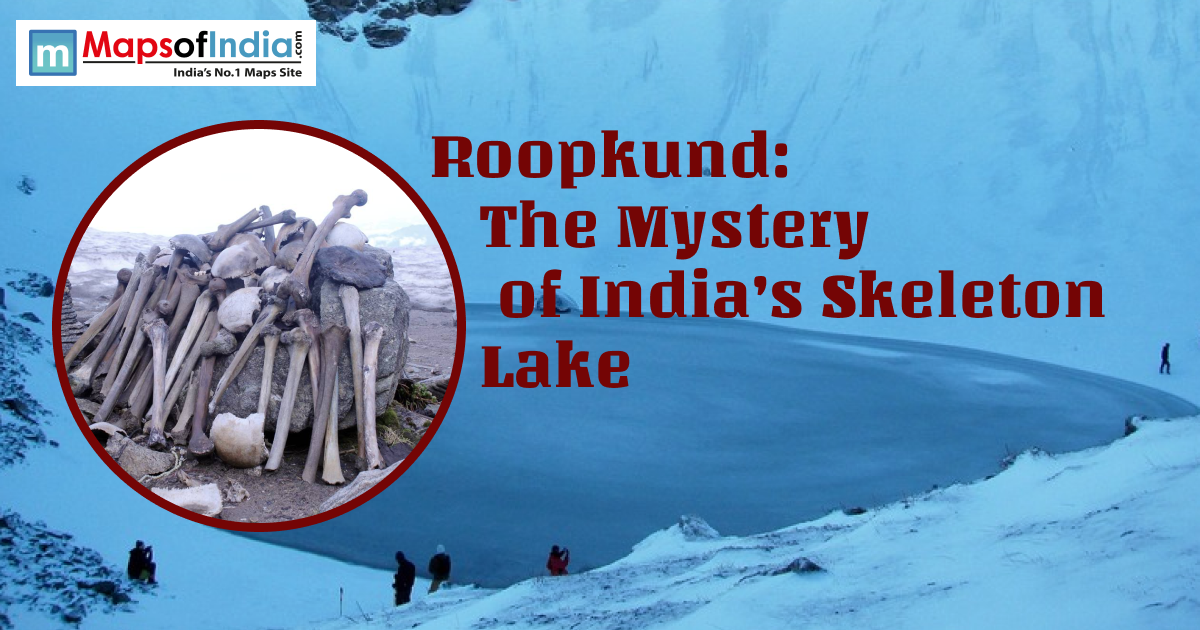
High above, where air bites thin, ice guards a secret. Roopkund Lake sits perched at 5,029 meters, quiet, still. After weeks of trudging upward, travellers reach it, breath ragged. When warmth returns each year, melting snow reveals hundreds of bones. Bones lie scattered across the wet ground beneath the water, mixed with rocks close by. Skyward stares come from overturned skulls, though nothing is seen. On some bits of ancient flesh still stick. Anyone arriving senses it immediately, deep in the chest. Names have vanished. The cause? Still unknown. A silence hangs over Roopkund. This water keeps remaining, as if time tripped halfway through speaking.
Discovery and First Shock
Just past the tree line, a British nature warden stumbled on the watering spot in ’42. Scattered around bones without number, left bare under sky and sun. With fighting tearing through Europe, no official team arrived early on. Locals carried whispers about it, handed quietly from one generation to the next. Out of nowhere, that water body answered to either Mystery Lake or, on quieter days, Skeleton Lake. British officers collected bones and kept it low-key. Immediately after, zero effort was made to dig deeper. The 1950s brought Indian researchers, just passing through. Back home, photos arrived alongside their sample haul. The mystery grew heavier with every note that came through. Just as ancient graves split apart under a relentless sky.
The Hailstorm Legend
A tale told nearby gives a cold reason. Heading toward the shrine of Nanda Devi, some travellers made the deity furious. Because of that, the skies turned violent without warning. Hail came down like cannonballs instead of raindrops. Death reached them fast beneath that icy storm. Frozen remains never decayed. A tale tells of a ruler, also his partner, caught in the storm. The ballad paints every moment, clear as frost on glass. Voices rise with it when fires burn at yearly gatherings. In notes passed down, sorrow outlives stone.
Scientific Studies Begin
Later on, a team from National Geographic worked carefully with DNA samples in 2004. One group of results traced roots to the ninth century. Following that, another movement emerged, this time between the seventeenth and nineteenth centuries. In the end, scientists identified two distinct family lines existing apart. A ripple began close to the Mediterranean shores. One branch, though, finds its roots deep in South Asia. It wasn’t a single catastrophic blow that ended them. Loss unfolded piece by piece, stretching across centuries. Picture still water collecting remnants, each from a different era.
2019 Genetic Breakthrough
A big DNA analysis appeared in Nature Communications. From examining 38 ancient bones closely, scientists found clear signs of separate migrations across centuries. Not every person shared the same roots; some carried strong links to the eastern Mediterranean region. Time gaps between movements stood out in the genetic patterns. Most of Roopkin’s genetic roots trace back to South Asia. Not a single close family match turned up in the bones around them. The meals they ate showed a blend of different kinds of food stacked together. Much like strangers who passed away in one spot, hundreds of years apart.
Theories That Keep Going
Hailstorm still floats around as the go-to story nearby. Pilgrims might’ve been hit fast by some outbreak, a few folks think. A tough environment could’ve driven people to take their own lives during ceremonies, others say. Not many back the idea of an avalanche doing it. A single event gets ruled out by carbon dating. Bones show no sign of weapon damage. Cold and hunger probably did not cause death. Still feels like a puzzle with most parts gone.
The Trekking Experience Now
Every year, folks chasing high-altitude thrills head toward Roopkund. Base camp often lands in Wan village. Through thick rhododendron woods, the trail winds upward. Wide-open sights suddenly appear at Ali Bugyal. After that, Bedni Bugyal unfolds into broad stretches of green. Up there, Roopkund just shows up where the air gets thin. The last stretch? That belongs to Junargali's steep climb. Bones peek through when autumn nears, mostly in those two months after summer fades. You can’t go without papers stamped by officials nearby. Walking toward it feels like stepping into ice-bound secrets passed down quietly.
Environmental and Preservation Concerns
Ice vanishes quickly these days because of shifting weather patterns. Each season brings more exposed remains into view. Visitors occasionally carry off fragments as keepsakes. Waste builds up slowly beside footpaths. Footsteps wear down thin mountain life. Step by step, the rules shrink the number of people who can walk together. People learn better ways to visit through shared stories. Imagine guarding old traces left behind untouched, because they matter.
Cultural And Spiritual Meaning
High up, Nanda Devi is seen as a living spirit. Each year, people walk long distances just to reach her resting place. The lake called Roopkund sits along that old trail. Rumours say bones watch over those who pass through. From time to time, village elders carry out quiet rites by the water’s edge. Quiet steps matter here, every time someone comes through. This place holds stillness where earth meets spirit without noise.
Ongoing Research and Future Hope
Step by step, they sift through remains. Tiny traces of chemicals slowly reveal where someone once walked. What was on the plate decades back shows up in tooth enamel. Hidden breaks from past harm come into view under scanning light. With passing years, newer techniques could bring the full picture into focus. Together, groups gather thoughts from every corner of the earth. Time moves softly, each century fading into the next during an endless search.