Mizoram’s Shops Without Shopkeepers: The Trust System
Abhishree Sharma February 19, 2026
Mizoram moves through each day on calm faith. Along country lanes, little stores stay unlocked. There is never a clerk in sight. Not even a till sits inside. People enter without being followed. They take what they need: greens, grains, cleaning bars. Cash goes straight into an open container. Nothing records their steps. Goods sit unchained. It simply holds together. Taking what isn’t given almost never happens. Truth sits at the heart of how Mizos live. Even those just passing by stick to it without questioning. Stores earn trust merely by being transparent about what they offer. The ties between people become stronger in ways you don't actually notice. A silent pact, much like a gentle hold, keeps everything calm.
Roots in Mizo Cultural Values
The core of Mizo culture is largely based on tlawmngaihna. The continuous habit of always putting the community ahead of individual benefits is something one can see in their everyday decisions. Helping others is taken for granted, especially when one doesn't expect anything in return. The relationships become so close that trust is the common thread in every connection. Children develop honesty by observing the happenings of each day. The tales of doing good deeds are from the elderly, shared quietly and gradually. Shame or embarrassment works more effectively to stop bad behaviour than the fear of punishment. The group's watchful eye makes it harder to lie or cheat, which has a negative impact on the group as a whole.
How Trust Shops Operate
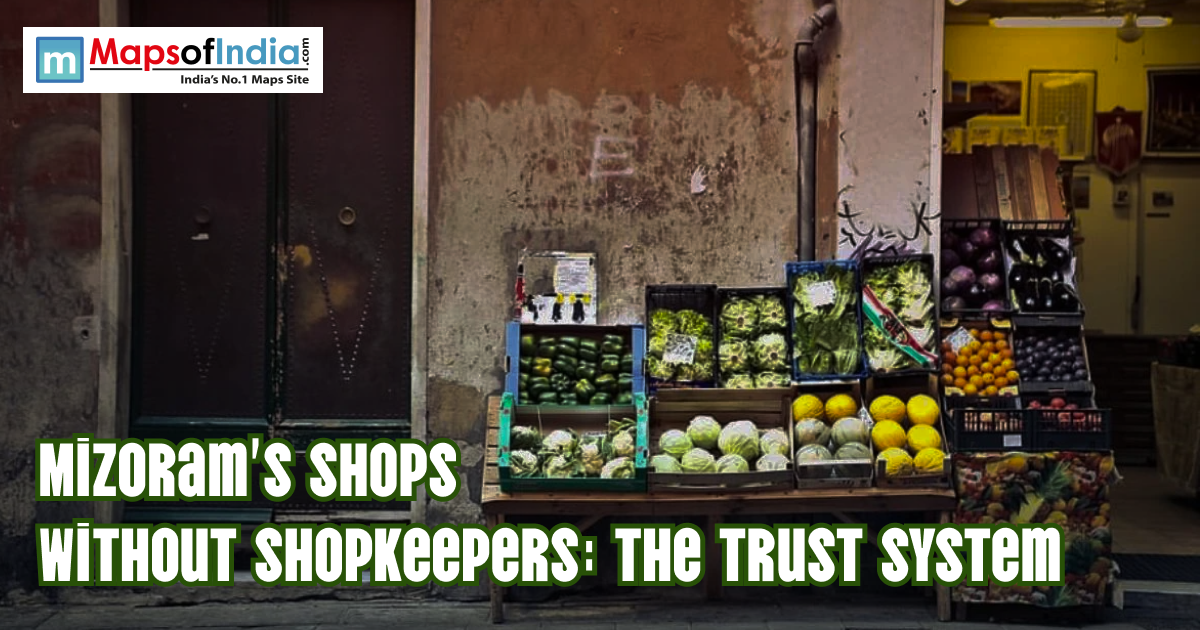
Early mornings see shops opening their doors. Neat rows of rice and lentils sit on wooden planks. Fresh produce arrives straight from nearby fields. Groceries line up without fuss, just waiting. A single page holds the names of those who owe. Though out in the open, the wooden cash container has no lock. People move through without rushing. Each one checks weight using old-style balances. Coins go into the tray without a word. The right amount back is removed by hand. Money sits untouched at first. Later, the owner glances through it without a rush. Much like a shop where people take what they need and leave payment behind.
Daily Life Around These Shops
Folks from the village drop in again and again every single day. Right when daylight breaks, milk arrives, eggs too. Heat overhead brings children craving treats. Once shadows stretch, parents and little ones crowd in for dinner. Stillness hangs, unhurried. Words trail behind thoughts, much like worn paths taken by feet too many times. A nod comes from the one behind the counter, having seen these people before. News finds its way into conversation when cups touch lips. What is said stays, though nothing gets written down. Back it comes, whatever was taken. Not so much commerce, really - more like shelves in a relative’s kitchen.
Economic Reality Behind The System
Every day, things usually sell cheaply. When prices rise, products vanish fast. People who run shops never stray far. They peek in now again, later too. Making money depends on moving lots of stuff. Folks trust each other because names matter here. Getting caught lying cuts you off quickly. Needing neighbours keeps promises strong. A setup where doing right pays twice.
Tourism and Visitor Encounters
It starts with a hesitant step inside. Travellers stumble upon these places by accident. Paying what's asked feels natural once they're there. Warmth hits them right away. Word moves fast across online journals. Praise slips out in quiet tones from those passing through. Extra coins left behind add up without warning. Smiles spread easily among the Mizo. Memories travel back with visitors. Almost like catching a quiet moment in a world that still believes without question.
Living Now Has Hard Parts
Slowly, cash-free transactions start showing up. Some young people try UPI now and then. As folks move to cities, routines shift bit by bit. Those arriving new give the tools a go once in a while. Small robberies tick upward just a little. Still, neighbours keep each other in check. Most people still stick close to tradition. Much like an ancient oak swaying but never snapping.
Comparing With Other Indian States
Few places beyond Mizoram still keep trust shops alive. Here and there, tiny spots run like them. Now and then, Meghalaya or Nagaland pop up with one. Shopkeepers take charge instead in Kerala or Tamil Nadu. Some northern parts of India run on separate setups. What makes Mizoram special is how it differs across the country. Much like a still spot where past rhythms stay alive.
Community And Religion Roles
Deep inside Mizo life, Christianity leaves a mark that stays. Lessons from church stress truthfulness while building bonds between people. Meetings of neighbours keep those ideals alive, again and again. Young circles talk about right and wrong without holding back. Older ones show the way just by how they live. Festivals tied to belief knit people closer. Faith mixed with tradition builds deep trust among neighbours.
Women At The Centre Of Trust Systems
Every day, women run trust shops with steady hands. Money moves through their fingers, and inventory follows close behind. The community leans on them without question. From a young age, mothers pass down rules about right and wrong in business. In circles of shared strength, these women lift one another up. Almost like unseen pillars - holding everything upright.
Trust Shaping Shop Futures
Even as younger Mizos head toward city life more often, old-style shops quietly lose ground. Yet tourism still brings some income into a few of them. Over time, digital money might weave itself in without a rush. What stays firm are the deep-rooted beliefs passed down through generations. People here hold on to trust like something handed from hand to hand. Much like an old tree that pushes fresh roots ahead while standing tall behind.