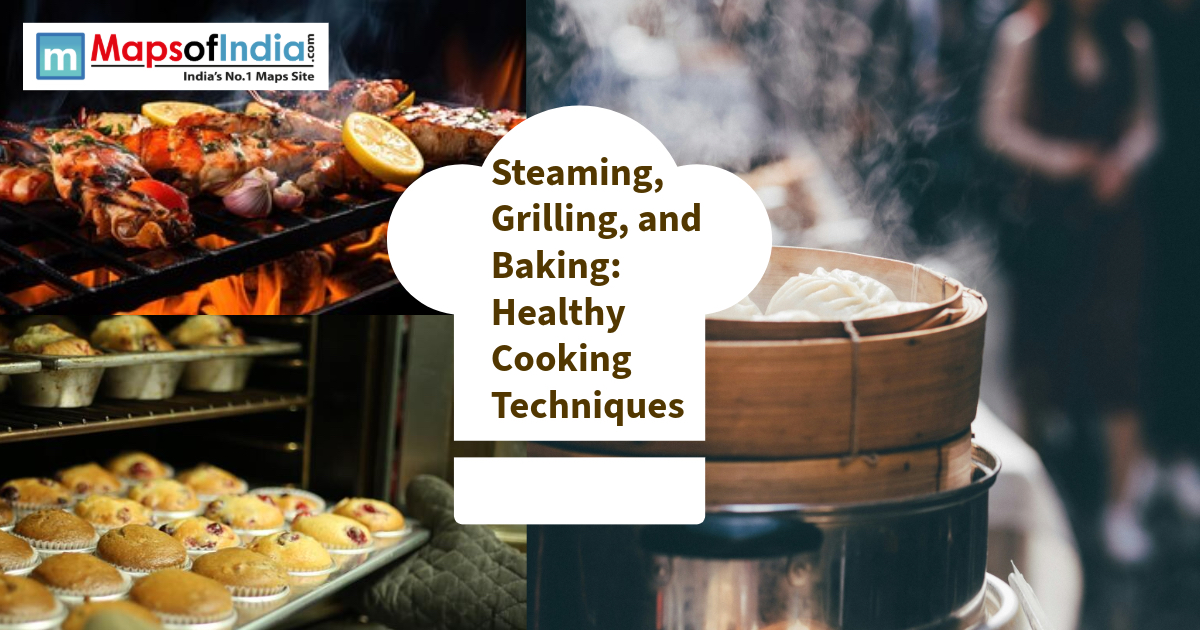
Steaming, Grilling, and Baking: Healthy Cooking Techniques
Abhishree Sharma March 22, 2026
Heat changes food in ways that either help or hurt your body. Instead of dunking things in hot oil loaded with extra calories and risky chemicals, you might try gentler paths. For instance, letting steam rise through vegetables keeps goodness intact, even brings out sweetness. Grilled items often taste richer without needing much fat at all. Baking, too, works quietly inside an oven, holding onto vitamins. Each of these methods skips heavy oils yet still builds flavour. Moisture sticks around when steam does its job, keeping bites soft and rich in flavour. Crisp outsides come alive on the grill, all while skipping heavy oil baths. Dry heat wraps around food in the oven, cooking it through without drying out. One after another, these methods build simple meals that taste honest and good.
Cooking Methods Affect Health
Cooking shapes how nutrients work in your body more than most realise. When vegetables boil, B and C vitamins slip into the water instead of staying put. If a meal uses oil but then dumps it afterwards, A, D, E, and K vanish along with the grease. Cranking up the heat too high, like frying things long and hot, builds compounds such as acrylamide and AGEs, which stir up internal irritation. Hold back on liquid and fire, though, like using steam, and nearly every vitamin stays right where it belongs. Heat from grilling locks moisture into food. Hot air moves around during baking, needing no extra fat. This way of cooking cuts down calories without effort. A baked potato holds much less energy than when deep-fried in oil. Just like picking techniques that keep meals close to how they start, untouched by heavy processing.
Steaming Keeps More Nutrients
Hot steam moves up around food, cooking it without touching water. Because the food stays out of the liquid, most nutrients stay put. Vitamins that dissolve in water do not wash away from veggies. Steamed right, broccoli keeps its bright punch. Carrots hold onto colour when the heat stays gentle. Spinach gives more back if it never boils. Fish locks in goodness with soft mist instead of oil. A bamboo basket traps vapour just fine. Even a modern steamer box gets the task done. Bottom layers get the slow-cooking roots first. This way of warming greens and stems fits neatly into the weekly rhythm. Even after hours, shapes stay firm, colours stay loud. Steam moves softly, like breath on glass, waking flavour without force.
Steaming Health Perks Only
Water rising as vapour keeps most vitamin C locked inside food. Research found broccoli holds on to 85 out of every 100 parts of that nutrient when cooked above boiling water, while dunking it removes half or more. Those natural defences linked to health glucosinolates are stronger after steaming leafy types like kale or cabbage. When fish gets gentle heat this way, its helpful fats stick around much longer. Nothing sticks to the pan because there is no need to pour in oil. Salt added later makes managing sodium simpler. Because steam breaks down food gently, it suits delicate digestion. For older adults and anyone struggling with gut comfort, results tend to help. When veggies keep their natural taste, kids are more likely to eat them. This method works without drawing attention, strengthening wellbeing in unseen ways.
Steam-Friendly Foods and Taste Boosters
The technique of steaming helps us to bring out the most important nutrients from veggies. Steaming for a short time span is enough for asparagus. Veggies like carrots need more time to steam properly; it also depends on how they’re sliced. If you want to steam fish fillets, think about their thickness. One inch means roughly 8 to 10 minutes. Moisture clings to chicken breasts if you steam them right. Try dropping garlic, ginger, lemongrass, chilli, or citrus peel into the simmering pot flavour seeps up through the rising heat. Once plated, scatter fresh dill, parsley, or cilantro over the top like confetti. Swap soy sauce for tamari or coconut aminos; depth comes without salt overload. Each veggie keeps its voice this way, clear and unmasked by heavy seasoning.
Grilling Adds Heat, Not Fat
Fire helps to cook food fast; this way of cooking brings out a sweet crust. That browning magic builds deep taste, giving meats and veggies a roasted glow. Fat melts off during cooking, leaving less behind. Oil is unnecessary when searing over an open flame. Plants blacken just right, gaining smoky notes. Thin cuts lock in moisture under high heat without drying out. Start early if you want to taste inside the meat. Fresh leaves, crushed garlic, sour fruit juice, or sharp powders work well. Skip sweet mixes, they turn black fast on fire. A warm flame gives good marks across the surface. Smoke brings a dark note minus fried food energy.
How to Grill for Better Outcomes
Start by warming the grill until it's hot all the way through. Wipe down the bars so nothing clings during cooking. Brush a small amount of oil onto items going on the grate instead. Set up different areas, one spot high and fierce, another low and slow. A single flip builds a solid seam on the outside. Once off the heat, let the meat sit before slicing. Skewers or metal trays keep veggies from falling through. Mastering small steps can transform everyday items into something special.
Baking with Consistent Low Heat Yields Better Outcomes
Bake your food using hot air trapped inside a box. From every direction, the warmth works its way through. Most dishes won’t ask for extra oil to turn out right. When veggies roast, their sweetness grows stronger. A thin paper wrap holds moisture when fish bakes inside. Grain-rich loaves climb high while heating slowly. Heat from an oven guards more goodness compared to dunking in water or oil. A mix of green sprigs, sharp cloves, and pepper zests lifts the taste without effort. Quiet warmth transforms basic pieces into soft, feeding meals.
Three Methods Combined for Meal Balance
Start with steam when cooking greens or soft proteins. Grilling works well for strong meats, as well as those firm veggies. Casseroles go into the oven, so do root crops, along with grain loaves. Switch up how you cook every few days, keeps things fresh. Try boiling broccoli first, and later give it a char outside. Baked proteins go well with sides that steam gently. Meals come together when they feed the body while pleasing the palate at once.