

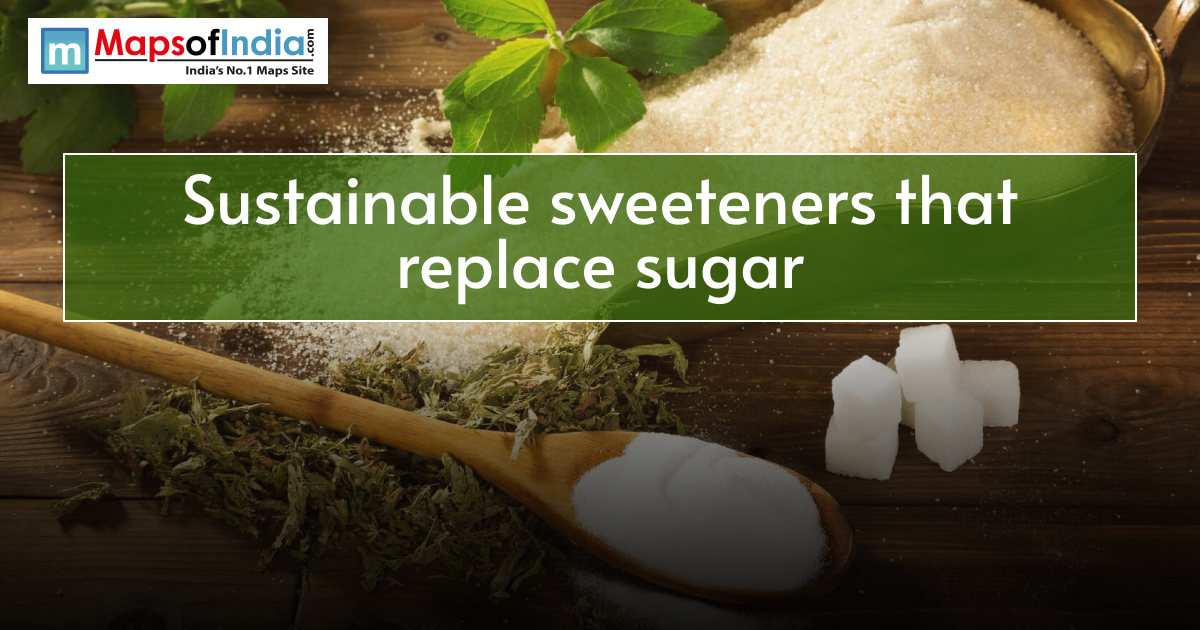
Everywhere now, sugar wraps around daily routines. In coffee or tea, it slips in without effort. Without it, desserts feel incomplete somehow. Hidden inside processed items, it shows up more than expected. Still, voices warning about health keep rising each day. Too much sugar is tied to weight gain, along with blood sugar issues. After a rush of energy, a drop often comes soon after. Over time, teeth face ongoing harm. The planet feels strain as well. Growing sugarcane and beets uses huge amounts of water, together with space. Chemicals seep into streams without making noise. Newer options that ease environmental toll are showing up more lately. Every day brings another new way to sweeten without harm. Sweetness stays just right when nature leads the way instead of factories.
Stevia: Leaf-Derived Sweetness
From South America comes a plant called Stevia, growing wild and thick across the region. Sweetness hides inside its leaves, packed in natural chemicals known as steviol glycosides. With no calories tagged along, that sweetness hits the taste buds hard. Unlike sugarcane, this green thrives on far less water. Farmers tend it gently chemical sprays rarely show up nearby. Blood sugar stays calm when using it, making life easier for people managing diabetes. Lately, the flavour has gotten much better. Bitter leftovers gone now, thanks to today’s methods. Whether it is powder or liquid, mixing takes almost no effort. Even when things get hot in baking, results stay reliable.
Monk Fruit Extract Pure Power
From the subtropical parts of China comes a small green fruit known for centuries. Inside its flesh lie compounds called mogrosides. Not sugar, yet delivers intense sweet taste without calories. Antioxidant properties come along naturally during extraction. The inside gets crushed to pull out pure concentrate. Few people complain about lingering flavours. Because it holds up when heated, trying recipes at high temperatures works well. Some compounds inside help body functions stay balanced. Grown in limited spots around the world still. Farmers tend to avoid chemicals, choosing earth-friendly methods instead.
Erythritol Fermented Solution
From glucose, erythritol forms by fermentation. Using corn or wheat, microbes drive the change slowly. Once inside you hardly anything gets absorbed. Most of it stays the way it was when it entered. There is no calorie count to show up. Blood sugar remains steady all the time. Every now and then, a cool taste stays on the tongue. Teeth stay safer thanks to their nature. Factories make plenty without heavy power needs. Nature’s own methods guide how it’s built. It slips out almost untouched. Folks usually handle it just fine. Much like a milder relative of sugar, grown without draining resources.
Allulose: A Rare Form Of Sugar
Deep in figs, you will find a hint of allulose. Raisins hold just a whisper too. These days, factories skip old methods. Instead, enzymes reshape molecules from corn. The result tastes almost exactly like table sugar. Browning on baked goods, spot on. Most of it goes through the body, hardly changing at all. You get a few calories when you eat it. When used in baking, results stand out clearly. Scientists are starting to spot perks for metabolism. It acts like regular sugar but behaves very differently. Performance jumps forward in recipes people make daily.
Date Syrup Old World Sweetener
Under hot suns, dates ripen without draining resources. After settling in, the trees sip little water. Boiling the sap thickens it on its own. Most times, nothing extra goes inside. What you get is fibre and minerals holding strong. Blood sugar spikes less than many sweeteners do. That deep caramel note lifts up meals quietly. Stillness ends there, flavour roars next. Long ago, kitchens across the Middle East were already using it. Small batches still dominate how it’s made today. From palm trees in arid lands comes a golden glow, captured drop by drop.
Coconut Sugar As A Sustainable Palm Alternative
From tall coconut trees, sap flows easily. These plants drink far less water when compared to sugarcane. Workers slice the flower tips with care. Heat turns the liquid slowly into small grains. All while keeping minerals and inulin locked inside. Stability in blood sugar comes more easily with a gentler rise. Small farms gain when production flows their way. Heavy machines rarely show up on these plots. From tough tropical trees, sweetness arrives like an unasked favour.
Yacon Syrup Natural Sweetener With Prebiotic Benefits
Up in the Andean peaks, yacon finds its home without help. Mainly, the roots pack fructooligosaccharides inside. From them, syrup pulls out sweet stuff that feeds good gut bugs. Few calories show up, while blood sugar barely reacts. Fibres break down through fermentation, helping digestion quietly. A hint of apple taste fits into many uses smoothly. Growing it tends to need little effort most of the time. Roots dig deep, feeding life below while lifting what grows above. A quiet exchange happens underground, sweetness shared between plant and tiny allies in the dark.
Agave Nectar From Arid Lands
Under the hot sun, agave grows strong without much water. After settling into rocky soil, it survives on rain alone. Workers cut leaves to collect sticky liquid by hand. Heat slowly thickens that fluid into a sweet syrup. Blood sugar stays steady when eating this instead of sugar. Farms across southern Mexico grow it using old techniques. Plants grown without harsh chemicals skip the poison load. Much like a cactus hoards moisture, quietly generous.
Rice Syrup Offers Mild Sweetness From Whole Grains
Fermenting brown rice brings out a soft sweetness on its own. As enzymes go to work, starch slowly turns to sugar. Nothing artificial usually shows up here. Energy flows evenly thanks to long-chain carbs. Traces of minerals stick around after processing. When it bakes, the results hold steady.
Blending Into Everyday Routines
The best way is to take one step at a time when changes are gradual. Simply cutting out sugary drinks is a great starting point. Instead of that, try drizzling natural syrup on yoghurt. Baking becomes a new experience with different types of flour and sweet options. Surprisingly fast, your taste shifts without effort. Day by day, meals shift without fanfare. Step by step, body signals move toward balance. The earth gains ground in subtle ways. Just tiny habits spreading like ripples on still water.
Future of Sweetness Ahead
Slow progress brings fresh alternatives into view. Combining types of sweeteners works well enough. Farms grow methods that last longer. People asking for change make things shift. Companies in the food industry take small steps forward. A less sugary tomorrow shows signs of life. Light spreads across fields where crops now bend differently.