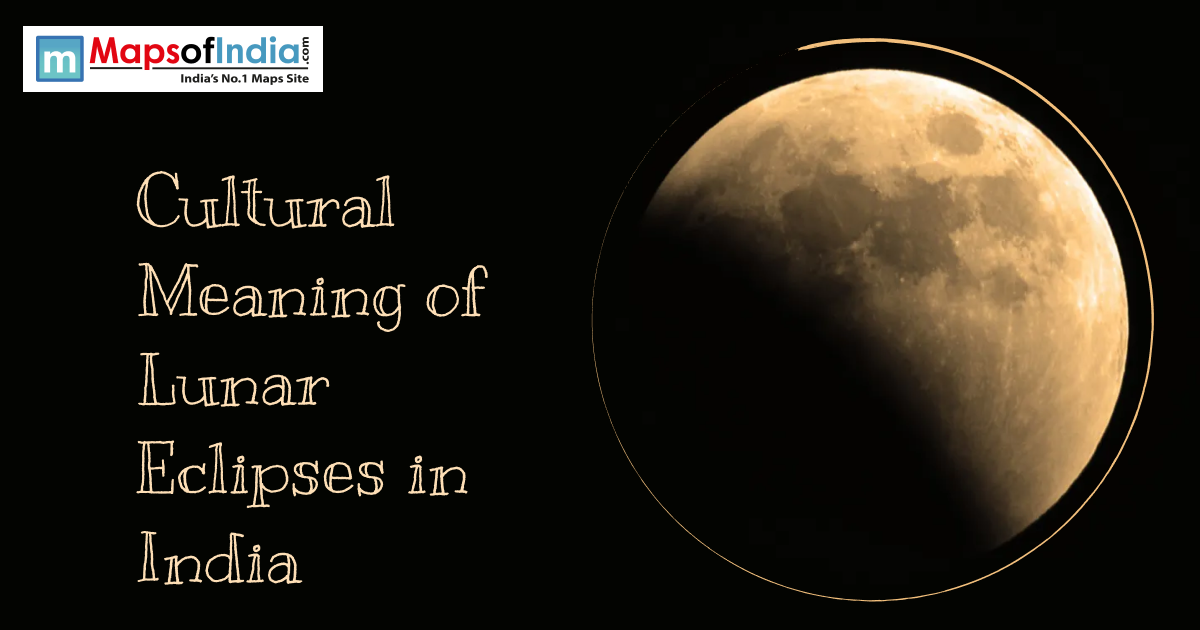
Lunar eclipses are seen as silent bearers of messages in Indian culture. Almost everyone stops to look at the gradual darkening of the moon. The temples resonate with the chanting of mantras. Families come together inside the house. No one cooks at home. Pregnant ladies do not go out. The seniors recount the old tales. Many people perceive it as an event laden with spiritual meaning rather than just an astronomical occurrence. The holy texts point to an ill-fated energy, and hence, the cleansing and protective rituals are performed to ward off harm. There is a sudden rise in acts of charity, and the prayers continuously resound. The eclipse is ultimately viewed as an occasion for reflection, purification, and regeneration, just as the moon itself seems to pause and whisper to people about the temporality of life and the existence of the universe.
Ancient Mentions in Hindu Texts
Long ago, Vedic writings noted moon blackouts. In the Rigveda, it's said that Rahu gulps down the Moon. Later tales in the Puranas stretch this moment wildly. During Samudra Manthan, a demon slipped into the divine drink. Vishnu struck fast, cutting off his head. Yet, the severed skull lived on, now called Rahu. His body turned into Ketu, drifting apart. Immortality stayed with both, unbroken ever since. Every now and then, Rahu swallows the sun or moon to settle an old score. This act is known as grahana in ancient texts. Calculations for these events appear in works like Surya Siddhanta. Precision came from watching saros patterns closely over time.
Legends of Rahu and Ketu
Out of the swirling waves came Amrita. Immortality's drink sparked a clash between gods and demons. Into that chaos stepped Vishnu, shaped like Mohini. With grace, she poured, but only for the divine ones. Hidden in their circle was Rahu, cloaked as one of them. The first sip passed his lips before light tore through the disguise. Out of nowhere, sunlight mixed with moonlight reached Vishnu. A sudden throw followed Sudarshana chakra spun through the air. Off flew Rahu’s head, detached yet alive. That skull gained endless life, now called Rahu. What remained below turned into Ketu, a name given in silence. Vengeance filled their thoughts from that moment on. When daylight fades oddly, it is Rahu taking back what was taken. Moon vanishes sometimes because Ketu pulls it under.
Inauspicious Times in Lunar Eclipse
Midnight shadows stretch when the moon dims, seen as bad luck long ago. Old texts say meals should wait, stoves stay cold, big plans pause. When darkness covers most of the sky, temple gates shut tight. Good events that get moved without question. Mothers carrying babies do not step outside. Resting eyes or tasting food are both skipped till light returns. A sudden shift in mood follows the belief that dark forces might touch a baby still waiting to be born. After the moon hides, water washes more than skin; it clears what feels heavy. Giving something away when shadows cross the sun builds strength in unseen ways. Words spoken in rhythm grow louder under dimmed skies. Time slows, almost stops, asking only for quiet attention and steady breath.
Rituals and Practices During a Lunar Eclipse
When an eclipse comes, most families follow tight routines. Cooking stops entirely. Any leftover meals get thrown out. New food goes on the stove only once the eclipse finishes. A bath takes place before the main part, and another follows after. Fasting covers many people. For those breaking fast, just fruits or milk pass through. Once the skies shift back, temples hand out prasad. Folks recite Vishnu Sahasranama along with chants for the moon. River immersions spike during this time. Places like Gaya, Varanasi, and Haridwar swell with visitors. Giving takes many forms: meals, garments, cash. Across India, it feels something like a shared inner reboot.
Regional Differences Across India
Fasting takes centre stage in parts of South India, while temples see steady crowds. In Kerala, meals are strictly plant-based without exception. Special prayers unfold across Tamil Nadu during key moments. Holy river dips draw people in the north, where giving also plays a big role. Under moon shadows, Bengal remembers elders with quiet gifts. From riverside dips, Maharashtra greets the silver sky. In the hills, old chants rise beside temple bells. Forest people light fires shaped by ancient signs. One darkened sun, many ways of watching.
Science Knowledge in Ancient India
Back then, India's sky watchers mapped moon darkening events with care. The book called Surya Siddhanta held numbers that hit right on time for those moments. Way back in the 400s, a thinker named Aryabhata figured out why the moon goes dim. It happens when our world blocks light, he said simply, yet truthfully. Under moon shadows, Varahamihira wrote clear words about eclipses. In Ujjain and a few other places, old sky-watch posts stood tall. Predictions shaped ceremonies without error. As if reason moved quietly beside belief.
Modern Scientific Explanations
When Earth lines up between the sun and the moon, a lunar eclipse begins. Shadow from our planet reaches across to touch the moon’s surface. The full version paints the moon a deep red, like old rust. A penumbral type barely changes how things look. Sometimes only part of the moon dims during these events. Lunar eclipse, old writings named it correctly. Science today backs how shadows align. Nothing magical is required here. Still, traditions hold on tight. Even when knowledge moves forward, some habits stay put.
Health Beliefs Shape Safety Choices
Foods sit heavy when the sky darkens, old sayings claim. Because digestion slows, meals wait till light returns. When shadows fall, staying awake keeps bad vibes away, some think. Mothers carrying babies stay inside as a shield. Once sunlight climbs back, water washes off what clung unseen. Still alive in countless homes today. Not proven dangerous by science. Comfort of the mind still matters, though. Much like traditions shielding feelings.
The Beauty of Photography
When night falls just right, the moon blushes a deep rust colour. Strange but calm beauty shows in the sky. Those who shoot photos wait patiently for full shadow. Their gear stands ready long before dark. Slow shutter tricks pull out hidden tones. Shades shift without rushing. A hush spreads across the land as colours shift pale glow giving way to amber, then spilling into crimson. The horizon breathes through shades, each one lingering longer than expected. Not fast. Never rushed. Just the quiet roll of hue after hue, as if dusk itself were choosing its next move.