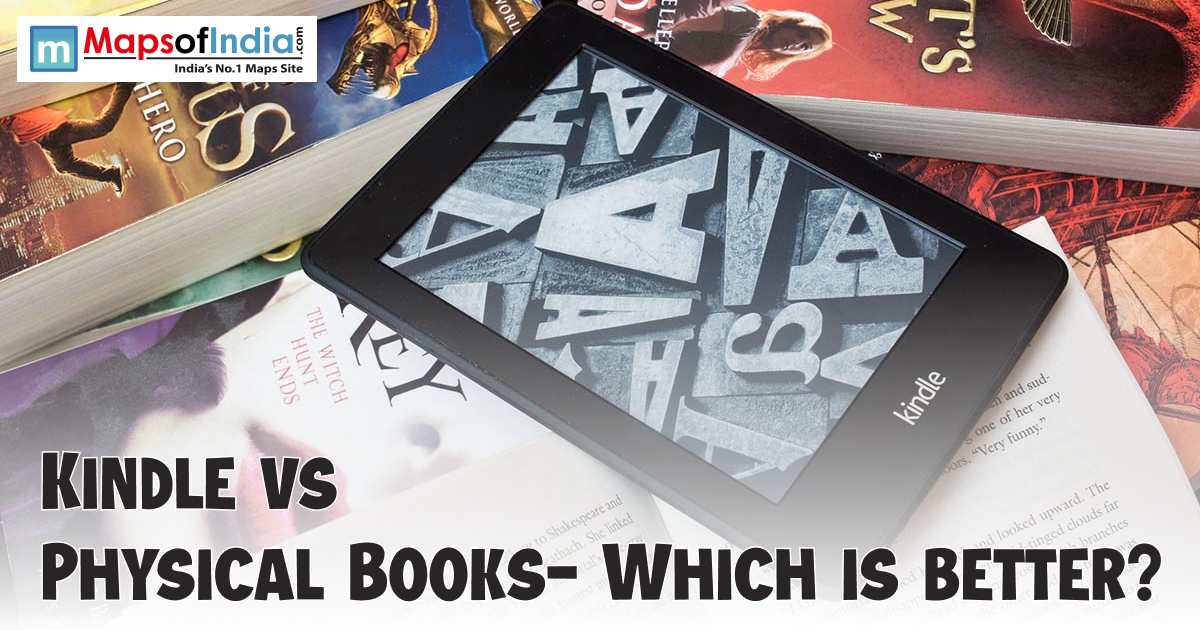
The debate between reading eBooks on a Kindle or reading physical books is always ongoing between book lovers. Each brings something different. They change how folks take in tales or learn stuff in their own way. It’s less about swapping one for the other. Some folks care more about ease, others value feel or cost, yet emotions matter just the same. One suits rushing through pages at night. The other feels real in your hands during quiet mornings. Knowing this makes it easier to pick what clicks with your day-to-day flow. Even as routines shift, both stick around simply because people choose differently.
The Experience of Reading on a Kindle
A Kindle gives you an easy way to read without distractions. Its display relies on ink tech, so bright light won't bother your eyes during extended use. Light as a phone, it holds countless titles wherever you go. That’s perfect when hitting the road with zero bulk. Jumping from one story to another takes just a tap. You can change the font size along with the screen light levels. Thanks to these options, you stay in charge of how your reading feels. The device includes handy dictionaries that pop up when needed. This helps if you like picking up vocabulary or diving into tough material. Power runs for weeks, so it’s perfect for using outside without worry.
Limitations of Using a Kindle
The Kindle’s handy, but it doesn’t feel like real books. Smell of paper. Yeah, that matters. Pages make noise when you flip them. How a book feels in your palms is solid, familiar. Little things add up to something deeper. The gadget might still pull attention away from certain users. Long stretches of screen use can bother some individuals. For others, bonding with what they're reading gets harder. Digital formats often seem hurried. Kindle books might vanish when licensing terms shift. Using a Kindle means plugging it in regularly, relying on gadgets that sometimes break down.
The Charm of Physical Books
Real books give you something solid to hold. Feel the outside rough or smooth, it’s up to the design. Turn each page slowly, one after another. Mark spots that hit different using little tabs or folded corners. That action ties you closer to what's happening in the words. Some folks claim they recall more when letters sit on paper, not glass. Pages keep eyes locked in since nothing pops up to distract. These make awesome presents, actually. Over time, they start meaning more. Folks tend to keep books around for ages. Many like collecting their own sets right at home. The joy of having a book in your hands always stays.
Why Many Readers Prefer Physical Copies
Physical books are easier on the eyes. Because they encourage a relaxed way of reading. Plus, they often feel comforting to hold. Places like libraries or stores add to that vibe. As you walk past rows of titles. While stumbling upon stories you’ve never tried. And sometimes chatting with folks who enjoy similar stuff. This can't happen online. Book groups or classrooms stick to printed versions since marking them is simpler. Underlining stuff plus jotting thoughts down just clicks better. Printed pages last longer, which makes you feel like it's truly yours. That’s why hard copies stay strong even with apps popping up everywhere.
Limitations of Physical Books
Physical books are heavy. Plus, they need room. Sometimes water ruins them, or bugs might chew on pages. Hardbacks cost more. So do school textbooks. Carrying several at once is not easy. To grab a fresh one, you’ve got to head out or sit around till it arrives. Some books vanish from shelves after a while. That’s why they’re tough to track down. Owning printed copies means finding space for them. As your stack grows, upkeep becomes unavoidable. Because of these hassles, going digital feels like a better fit for certain people.
Cost Comparison Between Kindle and Physical Books
Buying a Kindle means spending some cash up front, yet eBooks usually cost less than paper ones. A bunch of old-school titles. They’re totally free in the store. Instead of paying per book, you can get a subscription that unlocks loads of reading material all at once. This cuts down expenses over time. Because physical copies mean paying per unit. Plus, printing plus delivery bump up the cost. Yet used books give a budget-friendly option. Kindle saves money if you read a lot. For those who read little or prefer icky, real books work better.
Storage and Convenience Differences
A Kindle holds loads of books in a single gadget, so it’s great when you’re on the move or short on room. Unlike paper copies, which pile up fast and take shelf after shelf, this thing skips the clutter. Gathering printed ones means thinking hard about where they’ll go. If your place is tight on square footage, going digital just makes sense. People into room decor still love real books for shelves. How handy they are really just comes down to how you live your life.
Reading Speed and Comprehension
Some folks seem to read quickly on screens. Yet many still like paper when they need to focus. Kindles make it easy to skim through pages fast. Printed books encourage a calmer, deeper pace. Each type works better for certain people. When prepping for tests, students usually go for real books. Casual readers like how simple the Kindle is to use. Picking a format comes down to what you read, and also why you're reading it.
Ownership and Lifespan Differences
Physical books stick around for ages if you keep them safe. Pass them from one generation to another without hassle. eBooks live inside digital rules that might shift suddenly. Once you own a paper book, it stays yours forever. But an eBook that’s up to the company running the show. Yet keeping files safe is simpler with local storage or online backups. Each type lasts well, just through separate methods.
So Which One Is Better
Kindle’s handy when you’re on the move. Yet real books hit different emotionally. A Kindle clears clutter at home. Meanwhile, printed pages hold moments from your past. Each type fits somewhere today. What works best really hinges on how you like to read. Many people combine the two. Kindles when travelling or reading every day. Real books for gathering them up and savouring tales at a relaxed pace. Reading’s future isn’t about screens against paper. It’s how mixing both lets you dive into more stories and actually love doing it.