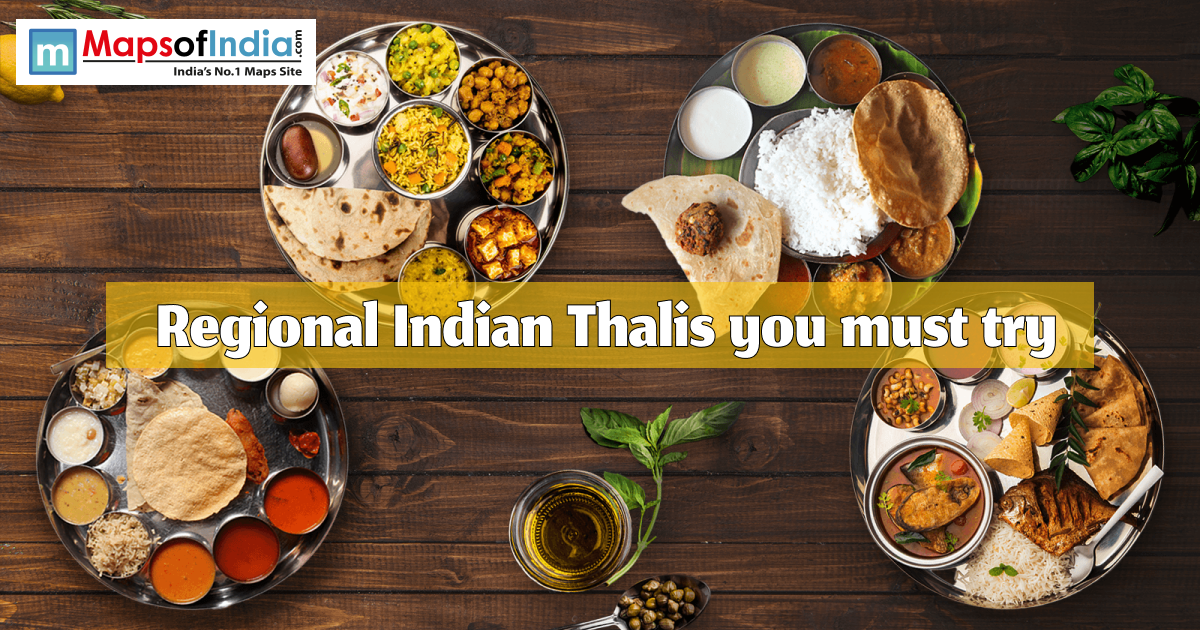
India enjoys food using thalis. Not just dinner, this dish tells a culture. Tastes, feels, shares tales across regions. Each bite connects places differently. Geography, along with weather and past events, affects meals. You’ll notice foods change when moving from shorelines to dry areas or highlands to flat lands. Each thali tells about daily life. Farming ways show up on the plate. So do old customs shared through generations.
Gujarati Thali
Gujarati cooking is like harmony. Yet it mixes sugar, tang, and heat. A plate often pops with colour and feels warm somehow. Most times, there’s lentils or a yoghurt stew. Alongside come veggie sides picked when ripe. Think squash, okra, even leafy greens. It offers roti puri along with thepla. You’ll find farsan items such as dhokla plus khandvi. Gujarati dal tastes a bit sweet. Kadhi feels creamy thanks to yoghurt. This thali is about balance. With little oil used, it skips high temperatures. Because of that, it shows local plant-based eating shaped by Vaishnav traditions instead.
Rajasthani Thali
Rajasthan's crafted tastes are suited to arid soil. Meals pack a punch here. With ghee, gram flour, and spiced blends, flavour rules. Take the usual thali: dal alongside baati churma. Baati is a wheat dough slow-baked till firm. Dal means cooked lentils mixed together. While churma is a smashed wheat, made sweet using ghee along with sugar. Ker sangri stands out. It’s crafted using desert beans along with wild berries. Gatte ki sabzi is a mix of chickpea flour lumps simmered in a tangy yoghurt sauce. Then there's papad sabzi, paired up with mangodi dishes, proving smart cooking when veggies are scarce.
Kashmiri Thali
Kashmiri food blends flavours from Persia with homegrown methods. A standout example is the Wazwan spread. Meat takes centre stage, lamb in particular. Think rogan josh, yakhni gosht, or rista. Veggie thalis come with haak, plus nadru yakhni, along with dum aloo, then there's tschoonth like apple chutney. Saffron mixes with fennel, bringing soft scents through the air. This thali takes time built on skill. Not just cooking, but care shapes every plate. Every meal follows its own rhythm. It’s how Kashmiri homes welcome you.
Bengali Thali
Bengali meals are rich, full of depth. To start, you’ll often get shukto. Then comes dal along with fried veggies. Next up might be a light fish stew instead. Popular picks are be rohu or the hilsa taking centre stage. Veg dishes are aloo posto, then cholar dal, followed by begun bhaja. For sweets, go for mishti doi, maybe swap in rosogolla or grab some sandesh. Mustard oil, along with panch phoron, shapes the taste. Freshness matters most on the thali. River ingredients go into it. This shows how Bengal enjoys mild but deep flavours.
Assamese Thali
Assamese food feels mild, grounded, and calming. At its heart lies rice. A typical plate holds xaak leafy veggies cooked simply. Alongside come lentils, soft and warm. Tangy fish curry shows up too, known as fish tenga. That one mixes tomatoes with elephant apple for a sharp flavour. Khar tastes unique thanks to the banana peel ash used in cooking. Smoke from dried fish brings depth. Bamboo bits lift the scent with freshness. Assamese dishes skip strong spices. Instead, they highlight fresh, local stuff.
Manipuri Thali
Manipuri meals feel fresh, not heavy. They cook with hardly any oil. Usually, a full plate has chamthong, kinda like veggie soup. Also comes with ooti, made from soft peas. Singju’s a fresh mix using garden greens. Meanwhile, fermented ngari boosts flavour across meals. Then there's chakhao pudding, black rice turned sweet treat. This thali brings out wild harvests. Yet it focuses on green spices. Meanwhile, it honours what’s fresh throughout the year.
Odia Thali
Odisha’s food comes from old traditions, shaped by temple kitchens. The thali features dalma, simple lentils with veggies. You’ll also find spicy curry made fresh each season. Another part, Besara, where mustard paste gives it a kick. Pakhala bhaat, a dish built on sour rice, cools you down in hot months. Meanwhile, rasabali brings soft chhena bites with rich depth, chhena poda adds warmth through caramelised edges, while kheer wraps it up smooth, milky, and gentle. Odia food tastes gentle. Yet it highlights how sweet ingredients naturally are. With coconut, banana stems pop up often, also banana flowers join in. Leafy greens make regular appearances, too.
Andhra Thali
Andhra meals pack a punch, loaded with heat and taste. A typical spread features pappu charu along with hot veggie stews. You’ll also find gongura pachadi sharp, zesty, and full of kick. Pesarattu sometimes shows up alongside vada. Still, biryani really shapes how people see this place. Then there's payasam or maybe bobbatlu for sweets. This thili leans heavily on sharp spices, chilli mixed with tamarind, takes front seat. You can taste how rich the land is here, grown from plenty, shaped by soil that gives a lot. Each bite tells what this region grows without saying a word.
Tamil Thali
A Tamil meal feels organised yet relaxed. Often served on a broad banana leaf. Features sambar, then rasam follows. Kootu adds warmth alongside poriyal’s crunch. Curd rice finishes it off smoothly. Vatha kuzhambu brings a sharp zing. Meanwhile, papad pickle with ghee boosts the taste. To finish it off, payasam wraps up the meal. This meal shows habit and order. Yet it focuses on rice, lentils, with greens. Also uses coconut plus curry leaves to add smell.
Kerala Thali
Kerala's sadya Well, it’s known far and wide. A veg feast, usually for celebrations. You’ll find avial, or maybe thoran. Olan shows up too, along with Erissey. Pachadi makes it tangy, while kichadi brings a creamy twist. Banana chips with pappadam give a crispy bite. Meanwhile, sambar plus rasam builds a rich flavour. Then ada pradhaman or palada payasam brings a smooth, sweet touch. Coconut runs the kitchen. Meanwhile, curry leaves with pepper define how things taste. On top of that, the thali feels familiar, filling you up right.
Goan Thali
Goan dishes mix tastes from Portugal with coastal India. Try a seafood platter, it’s the top choice here. You’ll get spiced fish stew alongside crispy fried fillets. There’s also clams cooked in a tangy sauce, plus spicy shrimp pickle on the side. Veg options are also tonak cushem or a crispy bhendi fry. Kokum mixed with toddy vinegar brings tang. Meanwhile, the thali shows seaside living. So it highlights daily fish hauls along with regional seasonings.
Maharashtrian Thali
This thali brings flavours from seaside areas along with countryside spots. You’ll find varan bhaat served alongside aamti and usal on the plate. These come either with bhakri or sometimes poli instead. On the coast, you’ll find sol kadhi served with fish fry or sometimes paired with kombdi vade. The tastes go from hot Kolhapuri to soft Pune-style dishes. Yet it mixes jaggery, coconut, or peanuts.