
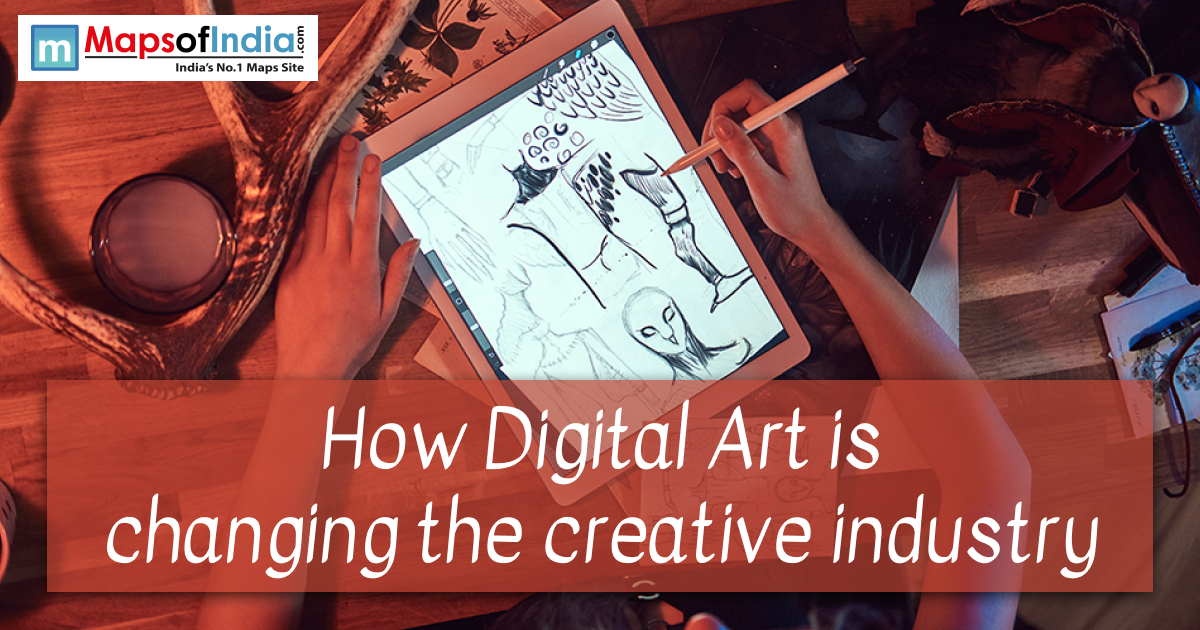
Once, paintbrushes shaped entire imaginations. Tight canvas waited beneath each measured touch. Heavy oils filled galleries without question. Old methods passed down through school halls year after year. Quietly, new tools began appearing. Paper slowly gave way to glowing screens. Every movement can be observed and seen on the tablets. New ideas can find their way to become reality in these platforms. Old rules faded fast without warning. Work travelled worldwide the moment it was shared. Change ran deep but hardly made a sound. Much like ancient streams carving through today’s terrain.
Tools for making things are easier for more people to use
Getting into digital art is way easier now than before. Back then, top programs demanded big money every year. Today, most tools are either low-cost or totally free. Take Krita, it handles advanced brushwork at zero price. A single payment covers Procreate completely. Clip Studio Paint gives you permanent access after purchase. New artists jump right in without spending much upfront. Tools get easier to reach over time. Drawing tablets now cost less than basic smartphones. An iPad can function as a full creative space. It’s like someone just handed a beginner artist an entire studio on arrival.
Infinite Possibilities Without Waste
Paint dries fast, so trying new things gets tough. Running out of colours happens before you know it. Every sheet of canvas means more money spent, each one piling on. A single slip forces a blank start, no middle ground. With digital work, changes stack like pages never never-ending. Hit undo the mistake vanishes, gone like smoke. Tools appear as many as needed, no counting required. Surfaces come in with just a click, pulled from anywhere. Every try brings colours together just right. Digital keeps hold of everything, always there. Imagine drawing endless drafts before one line takes shape.
Fast Changes Over Time
Time pushes hard on those making things. With digital tools, getting work done speeds up a lot. Ideas go from rough lines to finished pieces fast. Changing colours finishes in just moments. Playing with light settings needs only a few minutes now. What clients say gets added right away. Fixing changes feels less like a burden. The amount of work produced jumps sharply. People working solo manage extra jobs without stress. Finding time becomes simpler when studios stick to quick turnarounds. As if each weekday quietly adds a few more minutes without warning.
Working Together Across the World
At first, the artists had to be in the same room in order to work together. Being far apart made it difficult to collaborate on projects. Nowadays, people are immediately connected through online tools. Creating art remotely with Procreate Dreams is like being physically together. The artists can still be together in Figma even if they are physically apart, and at the same time, they can make things visually. Thanks to cloud storage, large files can be transferred without any problems. Even if the clocks are different, it hardly makes the work slower. Different opinions. They are just naturally included in the work and bring more to everything. Consider such a scenario where you can bring talents from every corner of the world with no effort.
New Art Forms Born Digital
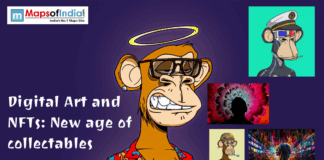
Out of lines of code, generative art takes shape. Not by hand but through rules, artists set systems loose to unfold. Ownership shifts when digital items gain deeds thanks to blockchain tokens. Figures twist and glide across screens, brought alive with timed movement. Colour wraps around form, merging brushwork with depth that you can walk around. Out there, augmented reality sticks artwork right into everyday scenes. Impossible rooms appear through screens, hosted in virtual halls you can’t touch. When people move, the art moves too, reacting, shifting, changing pace. It feels like fresh ways of seeing are being born, one gesture at a time.
Traditional Skills Change Over Time Instead of Fading Away
Some think pixels erase old-school practice. Not true, the truth stands obvious now. Those who draw on screens still dig into bones, muscles, shapes. Light, they break it down just as deeply. Depth in space stays non-negotiable, every time. Hues behave the same way, whether paint or pixel. Canvas veterans grab digital pens more than ever lately. Nowhere is change clearer than in how tasks blend together. Moving between ways of working feels natural over time. Getting better happens without force when different methods mix. Even familiar tools can surprise, playing roles they never had before.
Economic Changes in Creative Industries
Selling straight to buyers starts with digital artwork. Skipping galleries. That happens now by default. Fees on these sites tend to stay lower. Making real items gets sorted through print-on-demand setups. Supporters chip in regularly thanks to Patreon. Owning art has shifted shape since NFTs showed up. Out here, earnings start spreading across different streams fast. Creators, they’re grabbing hold of every part of how they work.
Problems With Being Real and Worth
What once felt endless now brings doubts. Questions about being first pop up again and again. Marks on files help guard them, even if they constrain. People who gather pieces look closely at where things came from. Chains of blocks lock down proof of possession. The bond you feel isn’t quite the same as with something tangible. Spaces that show work drag their feet when going digital. Talk about worth won’t settle anytime soon. Much like deciding why we hold certain creations dear right now.
Environmental Impact Comparison
Painting the old way brings along harsh chemicals, as well as metals that harm living things. Paper, canvas, these keep taking from Earth’s supply without stopping. Moving artwork by truck or plane piles up emissions over time. What powers digital pieces instead Mainly, electric current flows through devices. Sun, wind feed cleaner power, slowly dialling down damage. Everything fits in a space that isn’t there. Efficiency slips into place quietly. Little gets thrown away anymore. A clearer way forward opens up, one where ideas can move freely.
The Future Creative Ecosystem
Out here, change does not keep anyone waiting. Along with humans, it is the machines that determine what things are to be produced. With every tap, the texture somehow becomes even richer. Where there used to be empty rooms, now desks arise in virtual spaces. Together, their efforts grow beyond limits as time goes by. It is not only now that more people are finding their way into the circle. Creation goes further than one sound; it is carried by many voices. Pages keep turning, each a new life for ideas.