
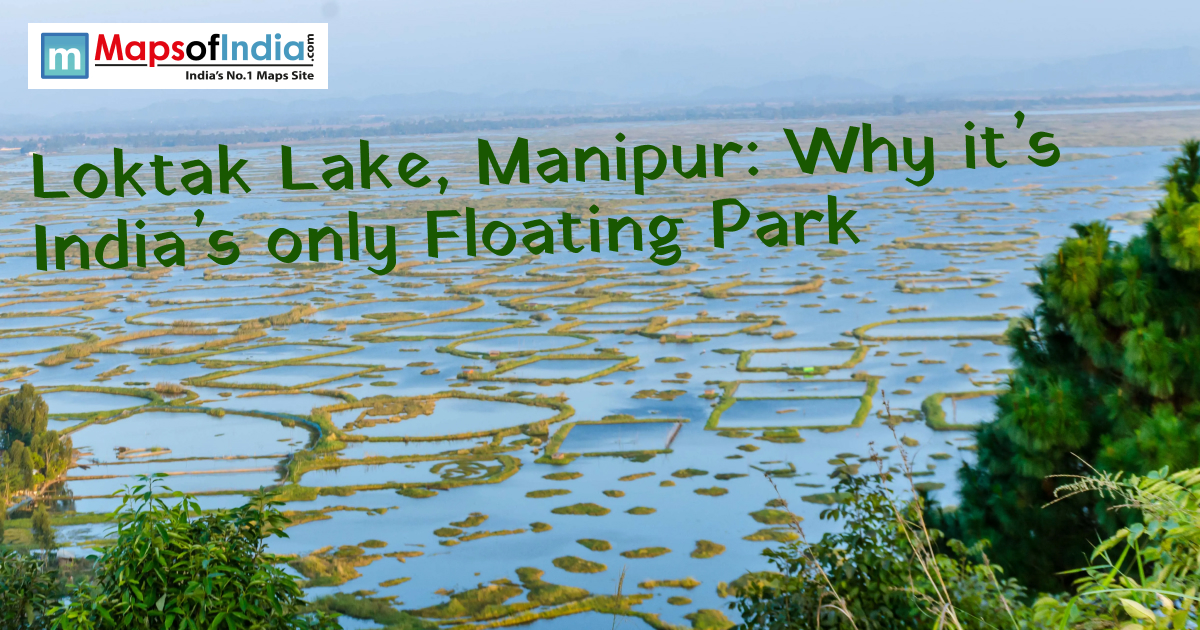
Sunlight dances on Loktak Lake, a shimmering green mirror tucked into Manipur. Drifting patches of plants cover parts of the water, shifting without rest. Boats glide slowly where fishermen work among moving chunks of earth. Sangai deer step lightly, their hooves sinking slightly into soft land rafts. Nowhere else in India holds quite this blend of life and lake. Only one lake holds a park that truly floats. Floating is what Keibul Lamjao does, nothing less. Tangled roots form rafts strong enough to rise on water. Not just any plants, water hyacinth, along with tough grasses, mat down into dense layers. Life walks there now, animals share space with people atop those shifting grounds. Floating between sea and air, it lives without sound. Danger moves slowly but surely. People work long to keep things right. A quiet pulse beats under old roots.
Floating Phumdis Unique Ecosystem
Floating bits hold Loktak together. Thick plant cover spreads across, tied like woven cloth. From below, roots reach down to gather what they need. As things break apart slowly, spongy layers rise. Deep or just a bit thick, it changes all through. Held weakly in place, certain mats keep still. Drifting wherever air and water push, some move without stopping. Almost fifty per cent of Loktak wear these floating layers. Water gets cleaned because it works like a filter found in nature. The entire dependence of species variety rests on these drifting surfaces. Underneath, fish find safe spots to reproduce. On steady sections, birds choose to build their homes. The way a breathing raft holds up life underwater.
Keibul Lamjao National Park
Only one place, Keibul Lamjao, exists on Earth. This patch of land floats, a national park unlike any other. Set aside in 1977, its main goal became clear save the sangai. Light-footed, these deer move across spongy mats called phumdis. Grasses found only in that area become their meals. About forty square kilometres make up the park’s size. Phumdis drift, so borders change a little now and then. Dugout canoes carry rangers during patrols. Stable mats hold up watchtowers rising into view. Feet touch ground that moves, almost breathing. A dreamlike drift begins, world tilts gently beneath each step.
Sangai Deer Known for Graceful Movements
On the edge where water and floating land meet, the Sangai is almost entirely dependent on the spongy mats of Loktak for its existence. Its wide hooves allow it to walk without sinking too deeply into the water. It’s so natural for them to keep their balance that even if the ground is wobbly, they will probably not fall. They are called the dancing deer, a name they got because of their movements. Their antlers are like silent sculptures stretching to the light. The dance starts when mating time comes. The population declined to the point that they were barely surviving. With the help of constant care, slow progress was made. Today, there are between 200 and 260 of them.
Loktak’s Diverse Bird Species Thrive
More than 230 bird species come to Loktak regularly, some of them travelling from very distant places. The winter season witnesses the arrival of travellers such as the Siberian crane and the bar-headed goose. Kingfishers that have been watching from the feet of floating forests plunge into the river abruptly. After that, in cold seasons, the wings of birds cover the whole sky facing the lake. Standing frozen, egrets have the pale white figure that they look like they are carved out of silence. Where the wings of birds meet the sky, footprints get interwoven and overlaid without a hint. The nests are raised in clusters of floating vegetation above the wet. The water birds deep inside the hidden corners hardly get spotted when they bring up their young ones.
Fishing Lives Built on Floating Islands
Floating homes sit atop phumdi mats, built by the Loktak people. Rising slightly higher than the surrounding lake, each hut stays dry through shifting waters. From one season to the next, fishing feeds these households year after year, net after net. Stability comes not from land, but from layered roots bound together beneath their feet. Out on the water, phumdi patches keep giving without help. Nets take shape under women’s careful fingers. Quiet strokes carry men through narrow channels. Little ones pick up rhymes before school years. Change feels normal here, where homes drift slowly. Floating clusters follow the lake’s slow breath.
Tourism Rises Facing New Problems
Here, tourism simultaneously opens windows and pushes the limits. A boat safari gently gives you access to the water meadows that are not visible from the land. Living in the homes of the locals, you experience authentic moments rather than staged ones. When the sangai deer come out, the cameras click furiously. More people arrive, each footstep pressed on the fragile web beneath. On this side, the garbage accumulates at a faster rate than the cities can accommodate. When no one is around, oil leaks quietly seep into the rivers. The rules for eco-friendly journeys are set on paper, but hardly ever are they complied with. It’s like balancing on a tightrope; every step taken in the right direction can tip things the other way.
Conservation Success Stories
Out here, a handful of neighbours are making a difference. Exactly where it counts, people have been protecting the floating islands with their help. Through villages, the spreading of the lessons is achieved through talks only. The Sangai population is barely holding at the moment due to fewer deaths. A new tree is growing along the edge of the water, one patch at a time. The villagers are being taught to have eco-friendly jobs that are compatible with their lifestyles. The money from overseas continues to monitor the changes year after year. Slowly but surely, perseverance is being used to comfort the sick earth.
Biodiversity Beyond the Famous Deer
Loktak holds many creatures found nowhere else. Through shallow zones, the mud eel glides silently. On firm phumdis, rare turtles lay their eggs. This place supports more than a hundred kinds of fish. Beneath the well-known shoreline, life thrives unseen. Food chains lean on water-dwelling greenery. Frogs alongside turtles still thrive in numbers. Birds depend heavily on many insect types. A quiet wealth hides under what most notice.
Loktak Stands Alone
Only one lake holds this drifting world. A mix of floating mats with animals found on no other waters. Traditions woven tight into the land. Livelihoods are still tied closely here. Its place on Earth matters more each year. Guarding it falls to everyone now. Much like a fragile treasure that needs steady hands.