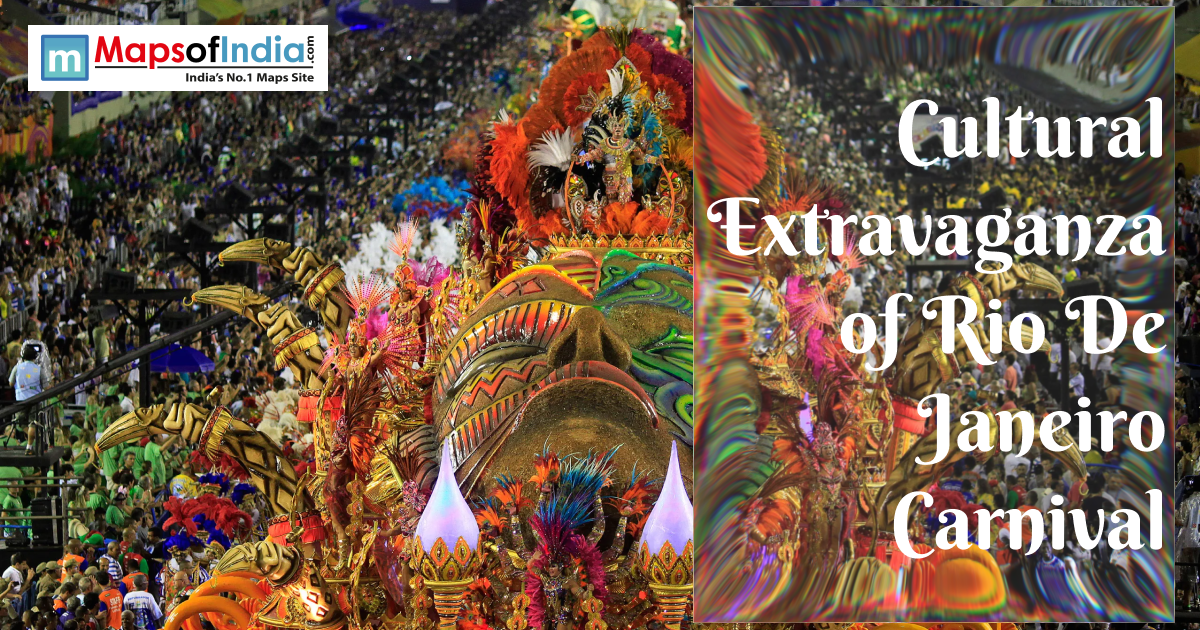
Every year in February or March, Rio de Janeiro suddenly becomes a rainbow of colours. Carnival turns the city into the biggest street party on the planet. Samba drums are heard all over the neighbourhoods. Dancing without a break goes on for millions of people. Feathers, sequins, and fantasy decorate costumes that more than dazzle. Giant floats, which are even taller than buildings, move slowly. Samba schools fiercely battle for first place. The vibes are so strong that you can almost touch them. You make friends with strangers in no time. The rich and the poor are celebrating side by side. You cannot own Carnival; it is free to everyone equally. It is a manifestation of the celebration of life, the expression of freedom, and the. Rio relinquishes five extremely intense days to the soul, like the whole city has decided to dance till dawn.
Origins and Evolution of Carnival
Back then, folks tied carnival to old Roman and Greek events. Later on, European traditions shifted it into something linked with Lent. The Portuguese carried those customs to Brazil around the 1500s. People first celebrated by dousing each other with water and tossing flour around in the streets. Drums arrived with African captives, shaping early beats. Costume styles twisted together, native patterns meeting colonial designs. Into the 1900s, groups formed with structure, focused on rhythm and dance. That first sanctioned procession rolled through the streets in 1928. Screens brought colour into homes when TV coverage started decades later. Carnival pulls more than two million people every year now. From old earth-based rituals, it became a worldwide show.
The Samba Schools and Their Fierce Competition
Samba schools are the most vibrant part of the Carnival parade. Every school is a representation of a local neighbourhood or community. They get ready for the event throughout the whole year. Members in the thousands attend rehearsals every week. The themes are different every year, and they tell powerful stories. The floats depict the story in the most dramatic way. The costumes are in line with the theme at every level. The drumming section is the most important and follows the rhythm perfectly. The dancers execute the complicated dance steps beautifully. Judges award marks in the categories of samba, theme, harmony, and creativity. The rivalry remains tough. Besides the prestige, the winning schools get money, just like a whole community putting their soul into a performance of 80 minutes.
Sambódromo: The Heart of Carnival
Under bright lights, Carnival unfolds at the Sambódromo. Designed by Oscar Niemeyer, the venue opened in 1984 with a grand parade strip. Crowds pack into tiered seats, enough space for seventy thousand eyes on the show. Stretching forward, seven hundred meters of flat track guide the dancers’ steps. Floating out of darkness, one school follows next beneath glowing frames. A sudden hush breaks when wheels roll louder on wet pavement. Each foot lands where it should, timed beyond thought. Sequence locks into place as colour spills sideways under streetlights. From the start, those judging stood fixed in place, eyes locked on every move. Above, bright glows twist into something soft, almost floating. Sound systems push drum rhythms out hard, sharp, impossible to miss.
Carnival Costumes As Wearable Art
Out here, costumes turn regular folks into moving paintings. Reaching way up, feathers stretch beyond five meters tall. Every single surface drowns in sequins, no space left bare. Light bounces wildly off beads, then crystals, now mirrors. Long before the event, designers draw wild ideas on paper. Hands never stop seamstresses stitch through days without pause. Thirty to sixty kilograms is what it can weigh. Grace comes from the hours dancers spend moving. In certain moments, skin takes colour instead of cloth. Bare bodies shift into forms meant to be seen. What they wear carries pieces of where they come from. Sculptures that walk appear under moonlight.
Street Carnival with Blocos and Bandas
Out there past Sambódromo, celebrations burst through every block. Drums lead the way where locals form blocos together. Brass horns shine bright inside bandas, their looks wild with costume flair. Each day brings another wave of parading groups. A few pull crowds that stretch into the millions. What you’ll see: clothes pushed to the edge of crazy. Mist sprays from water guns, sudden and light. White clouds rise when foam bursts across the pavement. People who have just met wrap their arms around each other, moving without thinking. Sound never drops; it only shifts, pulses through walls. The streets start feeling like a single room where everyone knows the beat.
Samba Music and Rhythm
Even now, Samba still pulses at the core of Carnival. For long stretches, drummers drill tough beats into their hands. The surdo holds it down with a low-end rumble underneath. Tamborim cuts through, dropping bright stabs between waves. Out of nowhere, cuíca howls like wind caught mid-scream. Pandeiro rides along, never slipping, always on point. Voices rise above, guiding everything with raw force. Filled with joy, these words honour living, caring, together. Pulse by pulse, a rhythm pulls crowds into step, never missing.
Social and Cultural Importance
Come February, rules loosen their grip just a bit. Status means nothing when everyone dances together. Bodies move without apology or silence. Laughter aims straight at power, sharp but fleeting. Roots rise up where they were buried before. Spirits drift through music, colours, and chants. The difference isn’t hidden; it leads the parade. For five breaths of chaos, life spills over the edge.
Economic Impact and Tourism
Out of nowhere, Carnival pumps billions into Rio’s economy. Well before February, every hotel room is taken. Flights gone in a flash. Through day and night, restaurants keep plates moving. For street sellers, the weeks add up to something huge. Thousands find work in tourism when the crowds arrive. Samba schools wear labels from high-end names. Billions see it on the news and screens worldwide. A burst of money flows in over five days, then keeps circulating through every season.
The Future of Carnival in Rio
Still changing, Carnival moves at its own pace. Because streaming exists, people everywhere feel closer. With each step forward, more join online than before. Waste drops when green choices take hold. More faces appear as inclusion deepens slowly. Old ways shift as youth reshape what came first. Year after year, it twists like rituals born long ago.