Homes once stood here; now only whispers stay. Midway through their routes, trains gave up, eaten by time. Through cracks in stone, the breeze sings low. A single stormy night, back in ’64, pulled everything into the sea. Some structures are left behind. Out of the sand, pieces of churches appear. Leaning into the wind, old pillars stand crooked. Stories rise after dark - ghosts, according to those who fish these waters. Once night falls, folks tend to avoid certain spots. Quiet settles like dust on old shelves. Down quiet lanes, steps bounce off walls with no answer. It is not just that nobody's around. There’s a weight under the calm. Like breathing began once, then froze mid-air.
The Busy Town Long Ago
Once alive with ships, Dhanushkodi thrived till the sea swallowed it in late 1964. A rail stop stood there, along with mail service, tax inspectors’ rooms, while boats tied up at a busy dock. To visit the holy site on Rameswaram, travellers rode trains straight through. Back then, the line from Pamban ended right in Dhanushkodi, running like clockwork. Each morning brought fresh hauls dragged ashore by fishers who knew no other life. Folks here knew each other by name. Along the highway, stores stayed open through noon. Classes ran like usual in classrooms down the lane. The population hovered near five thousand, though summer brought more faces. Fishing shaped days just as much as pilgrimages did.
The Night Cyclone Hit in 1964
A powerful cyclone hit on December 22 and 23, 1964. Blasts of wind roared past 280 kilometres per hour. Towering waves climbed higher than seven meters. Water surged inland, swallowing every part of the town. Far off tracks, the Pamban passenger train vanished beneath churning flood. Every last one of the 200 aboard lost their lives. Whole homes gave way as if made of thin cardboard. Waves hurled vessels straight into the dock's edge. Metal power towers bent and broke without warning. Wires that carried voices simply disappeared. Just in Dhanushkodi, more than 1,800 souls were gone by morning. Officials said nobody should ever live there again. Those who lived through it never returned after leaving. As though the earth itself wiped out a place overnight.
The Ghost Town Today
Out here, Dhanushkodi sits empty by law. Fishermen show up now and then along the shore. The train station's bones stick out against flat ground. Arches cut through what’s left of the church walls. Inside the school, chalkboards hang behind cracked frames. Off-kilter columns tilt without reason. Near the edge, one Rama shrine still stands. Getting there means riding in a jeep on rough ground. Then comes a wade through a thin ocean spread. Power lines never arrived. Stores open only when someone shows up. Feels like stepping into an old photo of some forgotten place.
The Story Behind Ram Setu
Out near the coast, stories drift back to old Hindu legends about Dhanushkodi. This place links to the Ramayana, carried through voices over time. Here, it's believed Rama built a way across to Lanka. The tip marks where that bridge reached its end. Just sea now spreads beyond. Some whisper the gap appeared when Hanuman leapt forward. People recall the town's vanishing punishment handed down from above. People talk quietly about how the ones who vanished in 1964 might still linger. As night settles, a few near the shore claim to spot shapes where nothing stands. Once evening comes, many decide to walk farther around. Still, others drawn by peace head toward the old temple clearing. Sorrow doesn’t simply feed legend here; it sprouts one.
The Forgotten Church and Its Quiet Beauty
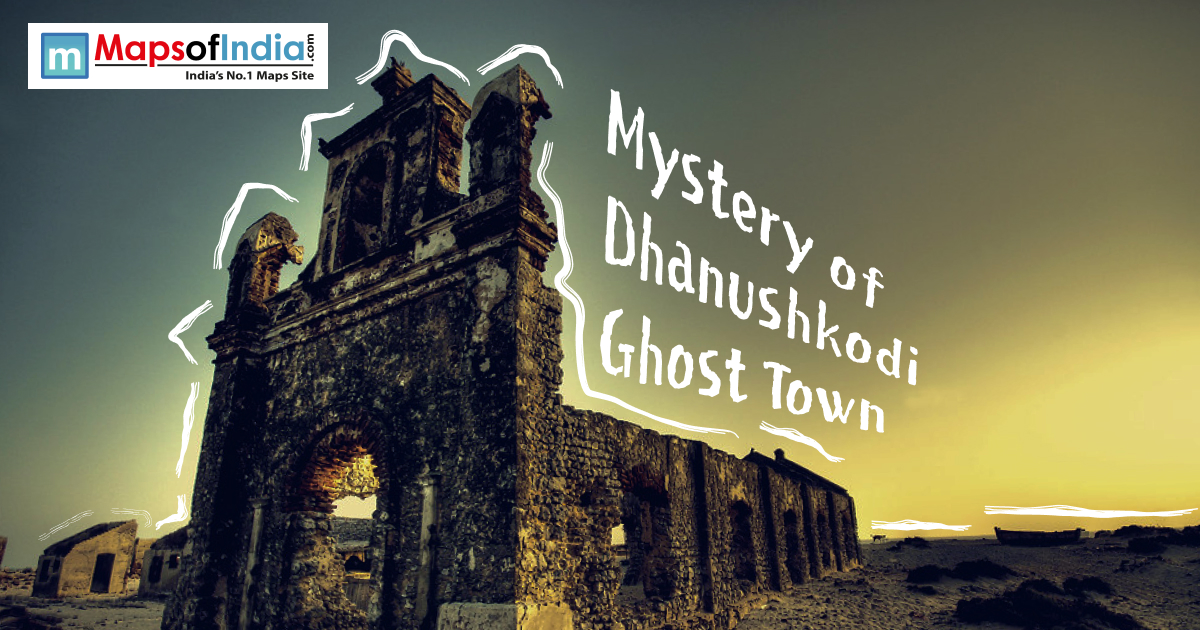
A single cross remains where worship once filled the space. Sea breezes pass through broken arches now. A century has passed, but the stone bones hold firm. Holes pockmark the walls like old wounds left open. Candles flicker where silence used to echo. People come anyway. Notes in handwriting appear beside melted wax. The ocean watches back through empty frames. Still standing after all this time. The sea's breath darkens the walls bit by bit. Light spills down where the ceiling used to be, drawing quiet shapes on the ground. A holy hush lingers in what wind is left behind.
The Railway Station Ruins
Facing the ocean, the worn platform extends on broken rails. Where the ground used to be, metal lines stop short without warning. Above, the station stands open to the sky, no cover left at all. Along the sides, chunks break off into shifting grains below. Once bright letters now blend into pale wood. Now the tracks fade into salty air. People move slowly past empty benches, thinking of engines humming. Bodies remain beneath quiet stone. Water nudges close where voices used to crowd.
The Tip of India Where the Land Meets the Sea
Down at the bottom of India, this is where it ends. Right there, a rock stands to show the place. From three sides, waters come together wild. One sea on the left, another on the right, then the open ocean ahead. Water smashes in from every angle. People who travel here bathe in reverence. There's weight in the air, quiet too. Few places stretch farther down except where Sri Lanka waits. Standing there feels like touching the nation’s last breath.
The New Dhanushkodi: A Fishing Village
A few huts stand close to the weathered stones of what once was. By morning light, men slide their boats into the water one after another. Nets come back heavy now and then, filled with silvery shapes, prawns twist beside flat pomfret, mackerel glinting like knives. Along the dusty track, women wait where traffic slows. Scales stick to their fingers while the sun climbs higher. Fish shacks hand out plates of just-caught shrimp. Visitors pause here, cameras first, then lunch. Overnight, A few spare beds sit ready. Much like green vines cracking through cemetery stone.
Myths, Ghosts, and Local Beliefs
First, it gets dark, and then people barely start talking about some strange things, barely notice. A few people say from the boats that go past at dusk, they can hear a faint whistle now and then. Not very far from the ruined church, there are quick movements of lights that the eyes can't quite catch. On the broken stone paths, a few people believe that a silent being is walking along with them, even though they are not touching. Visitors leave small gifts on the broken stairs. Here, the silence is not only in the air, but it also occupies the space like a voice.