Once upon a time, bad guys in films were straightforward. Dressed in dark cloaks, spinning their facial hair, cackling as they bound women to railway rails. Power. Wealth. Payback those who drove them. People enjoyed despising such characters. But movies shifted course. Evil figures became layered. Past wounds emerged. Ideas formed. Even empathy crept in. Now stories dig into the reasons behind cruel acts. Now and then, they make sense in ways we didn’t expect. Quietly, we find ourselves hoping they win. Heroes start looking like villains, or maybe it's the other way around. Right and wrong stop being clear, just foggy patches in the story. Shadows begin walking, speaking, and aching just like people.
The Classic Villain Archetype
Suits cut sharp on crooked men who glided into silent films, shadows tagging along. Fangs carried Bela Lugosi’s voice, low and curling. Boris Karloff moved heavily, careless in his steps. One craved control; the opposite fed chaos. Pasts stayed buried. Mercy missed every scene. The good man finished first, clean and expected. Audiences left quietly. Brightness took hold. Night faded fast. Out of sight, these shapes moved just enough to matter. They stayed shallow by choice. Deeper forms could blur the danger. Viewers needed clear edges, good on one side, bad on the other. Like early sketches that used black against white, nothing in between.
The Mind Shift of the Nineties
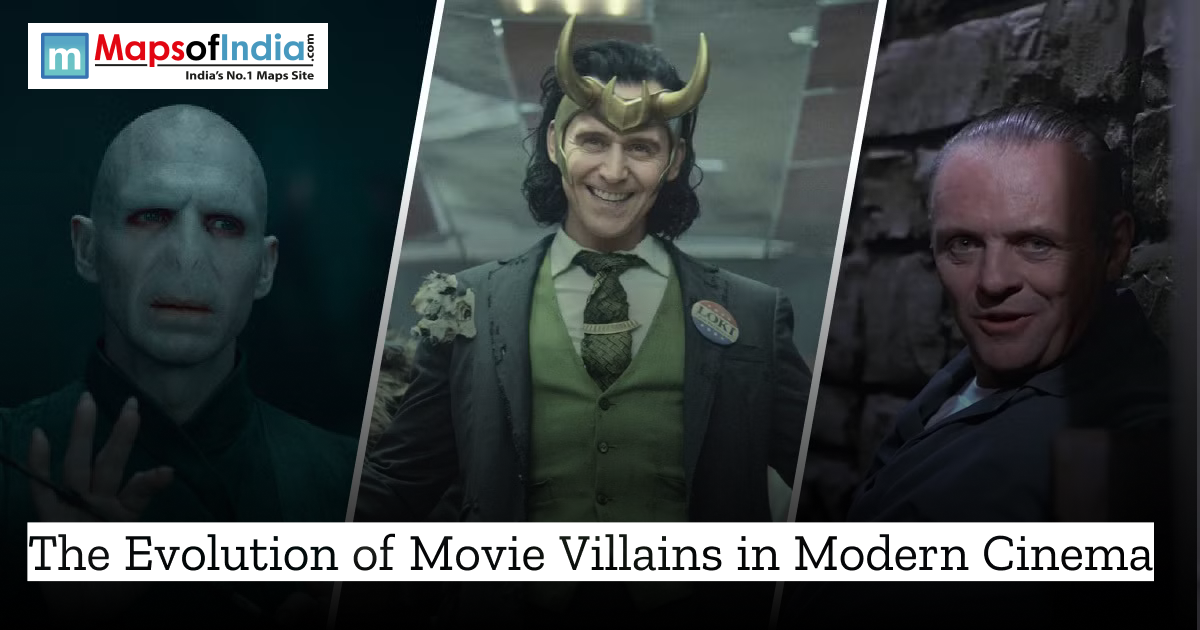
Everything shifted in the nineties. Minds emerged where there had only been menace before. Intelligence, not muscle, drove fear Hannibal Lecter proved that. In The Silence of the Lambs, he dissected Clarice Starling with quiet precision. Politeness curled around his cruelty, sharpening it. Thought replaced brute force, and horror found a new voice. What if a name could scare without showing up? Keyser Söze slipped into stories like smoke. His face stayed blurred on purpose. A voice built him more than images ever did. When the truth flipped, people had to rethink everything they thought happened. Fear didn’t come from blood. It came from doubt. These bad men weren’t chasing anyone. They were already waiting inside your thoughts. Sharp minds replaced sharp teeth long before you noticed.
The Rise of Flawed Antagonists
Pain hid beneath the helmet when Darth Vader stumbled through the prequel years. Misfit energy shaped Loki long before the credits rolled in Marvel films. Auschwitz carved deep lines into Magneto’s choices later on. By the 2000s, villains wore wounds like second skins. Family cracks mixed with old scars to fuel what looked like madness at first glance. Justice for the forgotten drove Killmonger in Black Panther. The universe, in Thanos’s eyes, needed saving, so he snapped. Evil just for evil? That faded long ago. Ideas shaped their actions now. Online, fans traded thoughts late into the night. Wrong did not always look so wrong anymore.
The Anti Hero Villain Mix
A shaky line separates good from bad now on screen. Chaos became a mirror in The Dark Knight when the Joker stripped away polite lies. That version unsettled viewers, thanks to Heath Ledger’s raw delivery. Society’s cold shoulder shapes a killer; this truth hides inside Joaquin Phoenix’s take. A man named Walter White started out broke, teaching chemistry. Then, slowly turned into someone else entirely, cold, calculating. Even though we saw his choices rotting, we still wanted him to win. He wasn’t supposed to feel like a hero, but somehow did. Meanwhile, Tony Soprano ordered hits between sessions on a therapist’s couch. One moment brutal, the next confused, afraid. We watched, drawn in, even when he hurt people. These characters bend how we see right and wrong.
The Rise of Hidden Forces
Buildings breathe malice in new movies. Not people but machines crush forests, quietly. Truth slips through fingers when officials speak. Lives bend under silent digital chains. Evil wears no mask, just logos, instead. The home in Parasite watches as a predator waits. Society twists broken minds into clowns with knives. Whole worlds kneel beneath one golden drug's rule. Wickedness hides inside rules that never shout. Faces in the crowd catch their own stares, uneasy. Not the actors on stage, but they were caught by a lens they didn’t expect.
Female Villains Gain Depth
Fewer flashbacks now show exaggerated temptresses. Today’s wicked women act with purpose alongside complexity. Not just power drove Cersei Lannister, her kids did. Love twisted into harsh choices because dread shaped her moves. Amy Dunne? She stayed several steps ahead of every person around. Control didn’t slip; she held it tight through clever tricks. Out of trust broken came her cruelty, shaped slowly. In Killing Eve, Villanelle took lives with flair yet warmth close behind. Cold inside, yes - but cracks showed where feeling leaked through. It is them who pull stories ahead by their roots. Pity never sticks to them; they brush it off like ash. As if shadowed hearts in women were allowed to speak at last.
The Impact of Streaming Services
Out of nowhere, streaming rewrote how we see bad guys. Because shows stretch on, characters get time to shift in subtle ways. Not just Netflix, but also Amazon hands them full seasons. Over weeks, they change bit by bit. What drives them comes out piece by piece. People watch more as it builds. With some series cut short without warning, nothing feels safe. Even the darkest ones find space to settle in, then twist into real fear.
Complex Villains Are More Common Today
These days, people look for truth in stories. Flat-out villainy seems silly now. What draws us is the chance to grasp the shadowed parts. Moments when we see that same shade inside our own lives. Hard-to-read bad guys act as life's unclear choices do. Because they push against clean ideas of right and wrong. Stories grow deeper but also harder to sit with. Conversations keep going once the screen goes dark. Almost as if reflections catch parts of ourselves we’d rather miss.
The Future of Villain Cinema
Expect shifts in how bad characters are shaped. Soon enough, artificial minds might turn against us on screen. Stories about environmental crisis could spotlight nature itself as the threat. Power structures built on deceit won’t fade from plots. Audiences might feel more drawn to those once seen as wicked. Shadows stretch when the sun shifts. Stories of change may show up less often now. Right and wrong blur more than before. Light doesn’t fall the same way it used to.