Inside India’s Indigenous Weapon Development Programs
Vidyut Vardhan March 8, 2026
Out of the quiet aftermath of colonial times, India started reaching for its own defence strength. Dreams of freedom in science lit the way forward. After gaining independence, choices were made to back deep study and effort. Though hurdles came often, progress moved from simple atomic work to complex missile systems. Big dreams pulled things ahead. Now jets such as Tejas fly high, while Agni rockets follow close behind. Still, much lies ahead. Most money goes to foreign gear. Self-reliance drives sharper efforts these days. Success walks beside hardship. Fresh ideas bump into red tape. Time pushes hard. Still, people find ways around it. A country makes its own defence, not waiting for hand-me-downs from others.
The Early Beginnings During The Colonial Period
Before independence, India began building its own weapons. Under British control, high-tech tools were hard to get. Scientists did their work quietly, away from attention. Starting in 1944, Homi Bhabha shaped atomic science here. The Tata Institute of Fundamental Research opened one year later. Peace came first when thinking about atoms. Still, weapons never left the back of our minds. After 1947, a new rule shaped things, fast power split under one board. The leader at the time nodded toward tools that could feed or fight. Hidden roots beneath locked ground, slow but set to rise once light touched.
DRDO Was Formed In 1958
A group called the Defence Research and Development Organisation came together in 1958. From the start, it brought several tech-focused teams under one roof. Electronics took centre stage at first, along with work on aircraft systems. The goal? To build homegrown strength in military tools. One of the first tasks involved missiles that could hit tanks, while another explored ways to track objects using radio waves. More than fifty labs exist now, up from just ten long ago. Through the years, money for research crept higher little by little. Early on, tight budgets made progress hard; skilled people often left, too. Still, steady effort brought slow gains despite setbacks. Much like a new athlete gaining strength by working out every single day.
The Integrated Guided Missile Development Program
Started in 1983, IGMDP took shape with Dr APJ Abdul Kalam leading the way. Its goal is to build five types of missiles right here at home. The first one out was Prithvi, a short-range ballistic type. Then came Agni, stretching farther as an intermediate-range model. Sky defence got stronger through Akash, built to hit aircraft from the ground. Not far behind stood Trishul, designed for shorter distances in air defence. Each project moved forward without relying on outside help. From a concept meant to stop armoured vehicles, Nag slowly took shape. More than three hundred companies joined the effort, piece by piece. Problems cropped up now and then, engineering gaps, timing slips. Still, wins such as the Agni test flights lit a quiet spark.
The Start Of The Nuclear Program
Peace shaped India's first steps into atomic power. A new group took charge of energy matters in 1948. Bhabha guided the mission to rely on homegrown fuel sources. By 1956, a research machine stood ready, built alongside Canadian partners. Starting in 1964, plutonium was separated for reuse. A nuclear test in 1974 showed what could be done. Officially, it counted as a non-weapon blast. Right after, other nations cut ties. The work carried on beneath notice.
Post-1998 Nuclear Evolution
Out of nowhere, India made its nuclear stance clear in 1998 with Pokhran-II. The ground shook five times, proof that weapons could be built. At first, penalties came fast and fierce. Still, homegrown tech moved faster than expected. Agni missiles can now strike continents away. From submarines, the K-15 launch worked well. Policy still says no first attack, only enough weapons to warn. Warhead count likely climbed near 150. Much like steady steps following loud words.
BrahMos: A Product Of Indian Russian Collaboration
From a 1998 collaboration between India and Russia came BrahMos. Flying fast, Mach 3, that's how this supersonic cruise missile moves. Its shape was shaped by Indian engineers while its power comes from Russian tech. Made mostly in India, production runs through BrahMos Aerospace. Now there are models for land, sea, and sky. The newest ones can hit targets nearly 900 kilometres away. Just last month, a batch went overseas to the Philippines. Three out of every five parts come from local suppliers. It feels like two military heritages found common ground.
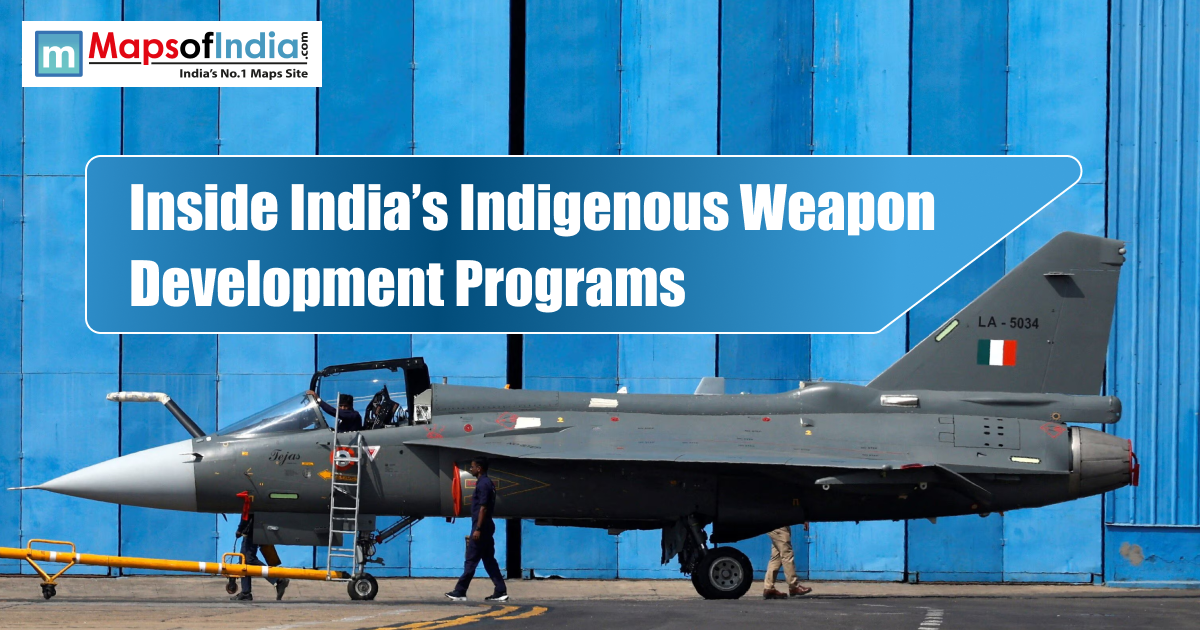
Tejas Indian Made Fighter Jet
Years passed before the first test above ground. The Tejas project began back in 1983, aimed at phasing out older MiG-21 models. Oversight fell to the Aeronautical Development Agency. It took nearly two decades to reach that initial lift-off in 2001. Approval for basic combat readiness showed up eight years later. Only by 2015 did it gain complete go-ahead for full duties. Now flying with better electronics and sharper radar sight. More than forty Tejas jets are already with the air force. Nations like Argentina and Egypt show stronger curiosity lately. Engine troubles slowed things down, and so did extra pounds on the frame. A local creation gaining height, much like a young hawk testing steady wings.
Arjun Tank And Armoured Vehicle Development
Years passed before metal met purpose. From a 1972 start, the Arjun main battle tank took shape slowly. Not built by chance, DRDO shaped it around what soldiers needed. The first model emerged much later, in 1985. Testing didn’t stop there; it stretched on, year after year. By 2004, only a few Mark 1 versions entered service. Now serving in numbers beyond a hundred, Mark 2 brings better movement along with stronger shooting power. Work continues on homegrown engines to drive it forward. Tough problems once showed up too much weight teamed with shaky performance. Built strong like armour shaped by long effort under pressure.
New Atmanirbhar Bharat Measures
Self-reliance became a goal when Atmanirbhar Bharat began in 2020. Import bans grow stronger through positive indigenisation lists over time. Investment flows into defence zones located across Uttar Pradesh and Tamil Nadu. Startups gain support not just funding through the iDEX initiative. From labs to factories, DRDO hands off tech to private makers. That year saw exports hit $2.63 billion. Old systems suddenly moved faster, as if charged by something fresh.
Future Position And International Status
Not stopping anytime soon, India pushes toward 25 billion dollars in defence sales by 2025. Local production inches closer to making up seven out of ten parts used. While everyone watches, a hypersonic missile works its way through testing phases. Drones and remote machines now sit higher on the list of needs. The ability to strike from land, sea, and air grows stronger each year. Quiet moves into space-based protection unfold behind the scenes. Some alliances stay open, others close without comment. A country building strength one step at a time.