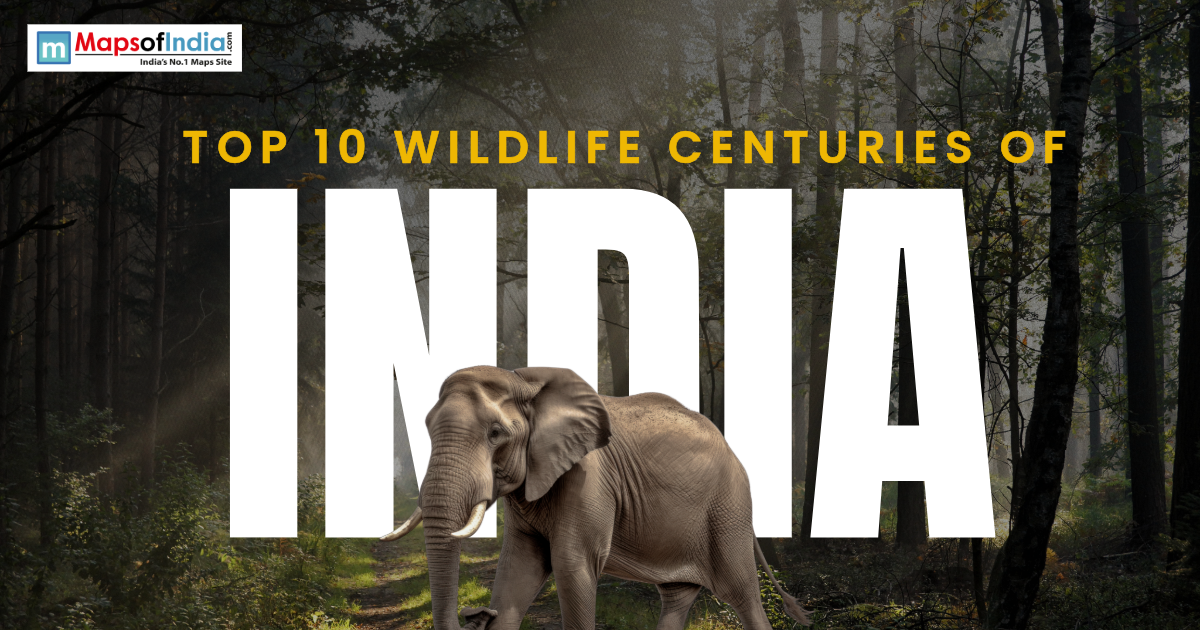
In the oldest national park of India, the Jim Corbett National Park, Uttarakhand, and also one of the first to focus on tiger conservation, is situated in the Himalayas' foothills, and it is highly renowned for its Royal Bengal Tigers. The varied terrain of the park comprises forests, grasslands, and a river named Ramganga. Besides tigers, tourists can observe elephants, leopards, crocodiles, and more than 600 bird species. Safari rides in jeeps and canter are two ways of getting to see the park's rich wildlife. The park was instrumental in the initiation of Project Tiger. It is like the origin of present-day wildlife preservation in India, where nature and history coexist.
Kaziranga National Park, Assam
Hidden in Assam, Kaziranga National Park bears a UNESCO badge few can boast. Home to more Indian one-horned rhinos than anywhere else on Earth, it thrives with life others only dream of seeing. Grass is high in places where tigers creep among shadows and where elephants walk silently over marshy flats. As the rain falls, the land imbibes deep, transforming fields into a shimmering expanse of water and reeds. Tigers in this place crowd tighter per square mile than most forests in general can maintain. In the wild, the jeeps go bouncing along the trails as the elephants go quietly in their path. This is where rare animals are found alive as they have been able to be through protection.
Ranthambore National Park, Rajasthan
Ranthambore National Park is deep in the rugged terrain of the state of Rajasthan and has garnered recognition in India due to its role in the preservation of tigers. The old fort sits mute atop a land created by rocky slopes and scattered water bodies. Tigers roam in these woods more freely than in many wild areas, and are often seen. Leopards creep through darkness, and sloth bears dig around the forest floor. Parties of spotted deer spring through the clearings of the sunlight, cutting through the trees. The history is at the very core of the trees, and the animals go quietly along through open meadows. The footsteps of kings are now replaced by the footsteps of creatures that now wander under broad skies.
Bandipur National Park, Karnataka
Located on the slopes of southern hills, the Bandipur National Park (Karnataka) can be found in the quiet multiplicity of tigers, elephants, and gaurs. It is nestled in the Nilgiri Biosphere Reserve, where it thrives as a green bridge where animals move freely across landscapes. Forests ascend slopes and descend into the gentle valleys. The turn opens up yet another colour of wild calm. Instead of people, here you will find quietness broken only by the sound of the hoofbeats or the sound of trumpets in the distance. Discovering is done most effectively with jeep tours that creep slowly up and down dusty roads. This is where breathing is like breathing of a living being, old, but alert. Not only landscapes, but movement herds through corridors cut through time.
The Periyar Wildlife Sanctuary, Kerala
Periyar Wildlife Sanctuary in Kerala is quite famous for its beautiful scenery surrounding Periyar Lake. A boat safari in the lake is an excellent idea to observe animals like elephants, wild boars and birds. Other than being a natural habitat of tigers and leopards, the sanctuary has a large number of rare species of flora and fauna. It is surrounded by the Western Ghats, which adds natural beauty to it. Periyar is certainly among the most favourable places in India to enjoy the calmness of nature along with wildlife. It resembles a peaceful forest with the lake and hills making a beautiful view.
Gir National Park, Gujarat
Gir National Park, Gujarat is home to the last wild population of Asiatic lions, and is unmatched anywhere on earth. The scrub is thick, and the meadows are wide, providing excellent space on which these strong animals can run freely. Leopards creep in the shadows, chital graze on the riverbanks, and crocodiles also have their share of water. Tourists have a tendency to take the bumpy jeep ride to penetrate deep into the territory of the animals. Gir, the home of the last wild herd of Asiatic lions, narrates a wildlife success story. This forest was their home, not by chance, but through the gradual security that the forest became theirs.
Kanha National Park, Madhya Pradesh
Kanha National Park, Madhya Pradesh is home to tigers, barasingha and thick sal woods, beating most of the parks when there is anything to count on. Here, Rudyard Kipling heard wild whispers which subsequently formed into stories familiar to us. Mornings begin calmly, then wake with the clatter of hooves over the undisturbed grass. Evening light pours gold through trees as jeeps clatter up and down dirt lanes. There are but few spots so much like what jungles ought to be, real, breathing, unpolished.
Sundarban National Park, West Bengal
Sundarban National Park, West Bengal, the waterways here are navigable through the roots of mangroves, which are the largest mangrove forest on the earth. The Royal Bengal Tiger is found in a place formed by tides and surrounded by salt-laden trees. Cruising by boat over long, narrow passages, we see animals that are not visible elsewhere. Birds sing in dark boughs over unbroken streams. Here, nature is slowly drifting with the changing clouds, wild, untamed, breathing.
Bandhavgarh National Park, Madhya Pradesh
Of the wild places in India, few are home to as many tigers as Bandhavgarh. High hills, overgrowing thick sal woods, shelter the ruins of an ancient fort, which is enclosed in them. Leopards creep in the shadows, and wild boars dig in the clearings; spotted deer move among the trees. Photographers come back once more, attracted by the times when animal tracks intersect with old rock. Where echoes of the past mingle with living wilderness and canopies of wide trees.
Tadoba Andhari Tiger Reserve, Maharashtra
Located deep within Maharashtra, Tadoba Andhari Tiger Reserve remains unnoticed. Having a good population of tigers and sweeping natural scenes, there is a good population of animals spotted here. On average, wide woods are placed in parallel with open fields, which are interrupted by still bodies of water. There are also fewer crowds than the busier parks in the surrounding areas, and therefore, time spent there is less stressful. Imagine it as a forgotten part of the wild areas in India, beautiful landscapes intersect with nature.