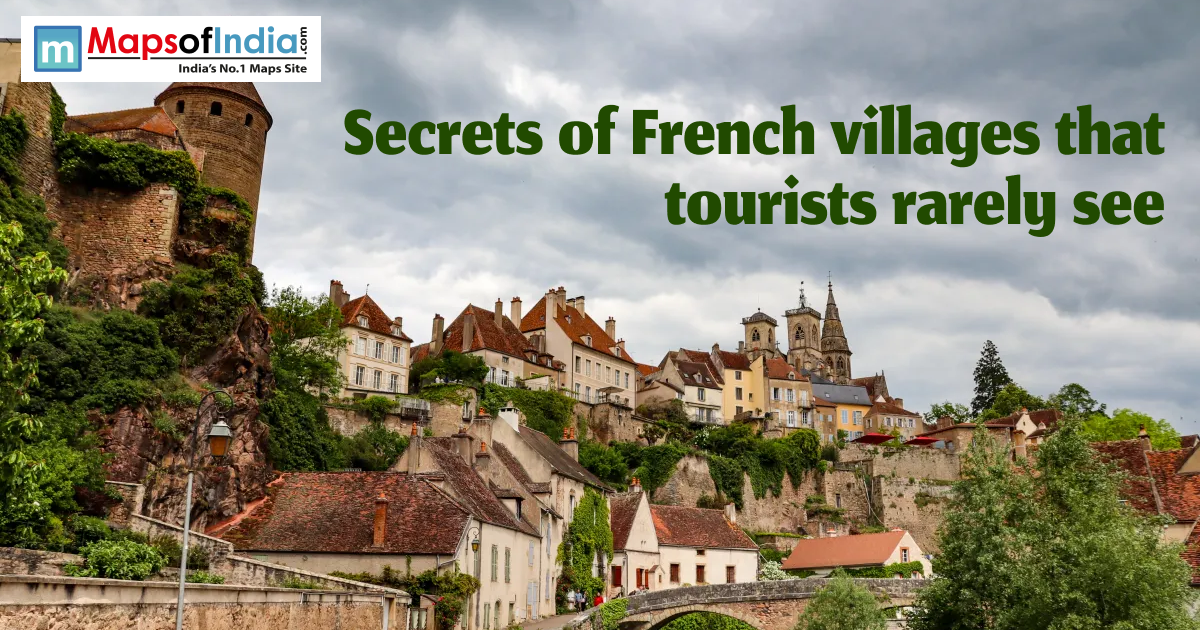
Secrets of French Villages That Tourists Rarely See
Abhishree Sharma January 19, 2026
Folks usually picture France with sidewalk cafes, purple flower fields, or fairy-tale châteaux. Yet the true heart beats low in small towns tucked away from view. Life there takes its time, no rush, no noise. Each day unfolds with nature’s shifts, old habits passed down, and neighbours who know your name. Visitors roll in, snap photos, then leave before catching what actually matters. If you take a closer look, you’ll notice bits of daily life missing from travel guides. Yet these quiet details shape what rural France really feels like, far from the postcard scenes.
Life spins around the town plaza.
In lots of small towns across France, the town square isn't for tourists. It's where everyday life happens. With the sunrise the life in town began, everyone enjoying nature and going on with day-to-day activities. Once in a while, markets pop up, turning the area lively with chatter and trade. Instead of big stores or screens, this spot becomes the go-to place. Rumours spread here, friendships get stronger, and old customs keep going. Tourists snap pictures and then head off. Neighbours linger way longer.
Bakeries are social institutions.
A village bakery isn't only about getting bread. It's a spot where news spreads naturally. The bakers recognise each face that walks in. They’re aware when someone’s unwell, when there’s a newborn, or when folks have left town. Folks from the area often stop by morning and evening, not purely for rolls, but to catch up. The type of bread you pick says something. Not just any loaf, sourdough rye or local kinds rule here. Store-bought stuff is slowly fading out. Because of this habit, old ways stick around from one family generation to the next.
Churches influence daily life - beyond belief alone.
In towns where hardly anyone shows up for Sunday prayers, the church still holds things together. When bells chime, they call out moments like marriages, deaths, or big celebrations. Those tones help folks track how life moves through weeks. Places of worship also hold onto stories that might otherwise fade away. Names of those who never came back from war are carved on plaques. Centuries whisper through the old stone walls. Faith might stay unspoken by some, yet the church stays central. Rooted in memory, it stands firm today.
Foods change with the region, and also shift through seasons.
Tourists usually want places that have menus in different tongues. Meanwhile, locals stick to their usual way of eating. What’s on the plate depends on nearby crops plus the time of year. When spring hits, you’ll see asparagus along with young leafy veggies. In summer, it’s all about ripe tomatoes, juicy peaches, and meals stretched out under warm skies. Autumn means hunting mushrooms plus making meals that simmer all day. In winter, folks rely on stews, soups, or food saved from warmer months. Written recipes are not common at all. Instead, knowledge moves from one generation to the next, changed a little each time. Meals take their sweet time. Even during the week, lunch might stretch out past two hours.
Village festivals feel close to home.
Plenty of small towns in France throw yearly parties that most visitors don’t hear about. These get-togethers aren't made for travellers at all. Instead, they mark hometown heroes, crop seasons, handmade goods, or old-time happenings. Getting ready starts way earlier, like weeks ahead. Each person pitches in somehow. The kids practice their moves. Older folks cook up meals. Streets get dressed up with handmade touches. There’s a laid-back, happy vibe, kind of cosy even. Show up showing respect, you’ll fit right in. Just watch first before jumping in. These events show that people still care more about each other than big flashy shows.
Homes hide stories behind simple facades.
Village homes usually seem basic on the outside, yet inside, there’s a lot to discover. Heavy stone wall. They help stay cool when it's hot, warm when it's cold. The kitchen tends to be where life happens, more than anywhere else. Some houses still keep basements where they store wine or aged cheese. Stuff inside isn’t flashy; most pieces get passed down, fixed up, then kept going. Pictures, old trinkets, and little prayer corners take up shelf space. Living happens here, not staging. The vibe shows history instead of showiness.
Words change when you move from one small town to another.
French in small towns isn't like the kind you learn in class. But accents, words, or phrases shift after just a short drive. Still, in certain areas, hints of old tongues, Occitan, Breton, or Alsatian, hang around. Older folks might flip into one halfway through talking. Yet neighbours catch on without effort. Though strangers tend to get lost. This mix of languages is slowly disappearing - yet hangs on in country spots. Still, it shapes how people chat daily while quietly keeping traditions alive.
Time moves differently
Life in French villages moves at its own pace. Stores pause midday for a break. Work ends sooner than you’d expect. The streets go calm on weekends. Success isn’t about how fast things get done. It’s more about keeping life steady. Schedules follow food, mood, and who they’ll meet. Hurrying, Most think it’s just pointless. This slower pace helps people think clearly while improving connections with others, yet it takes time to adjust. At first, guests usually feel a bit off, but soon, their shoulders drop.
Food’s meant to be passed around, not put on display.
In villages, folks pass around meals instead of snapping pics. Neighbours swap veggies, eggs, or jam they made themselves. Eating together means you're welcome, no money changes hands. Lend a hand picking grapes. You’ll get something good to eat. If you repair a thing, folks give you meals in return. Still today, this quiet practice carries on. Over time, it creates bonds and shared reliance between people. Places serve food out there, but nothing beats cooking at home.
Nature’s treated with care - but never turned into a fairy tale.
Village folks live right alongside their surroundings. Because they know the soil, climate, and creatures well. Not seeing nature as perfect or kind, just real. Instead, they adapt to its rhythm every day. When rain’s due, planting follows that timing. Gardeners understand the timing to pause. Trees offer meals, warmth, and shelter. That daily link builds quiet regard, not emotional drama. Plus, it shows why rural folks care for nature by habit, not just beliefs.
What’s a fresh way to explore rural spots
Hang around a bit more. Pick up groceries from neighbourhood spots instead of chains. Get familiar with simple French greetings. Go along with the town’s usual pace. Join community happenings without making a fuss. Try whatever meal comes your way. Watch how others do things first. Tiny decisions like these lead to moments many visitors never get.