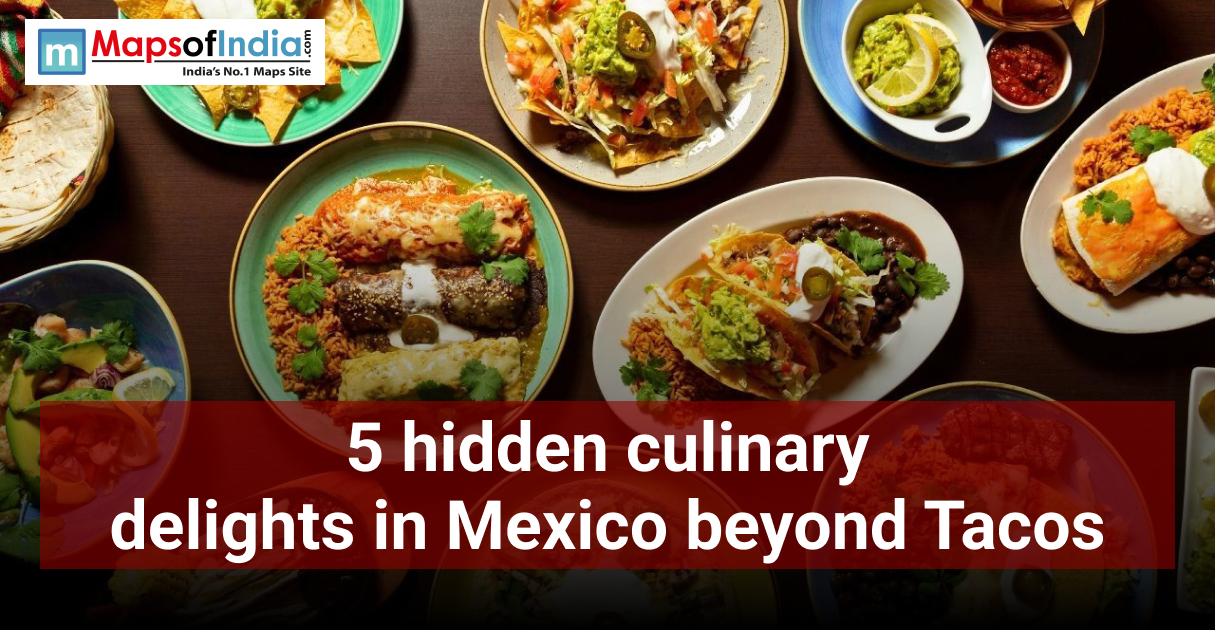
Mexico usually gets labelled just by its tacos when people talk about food. But that skips over how deep and rich its eating traditions really are. The way Mexicans cook changes from place to place, follows the seasons, and connects back through time. Move past roadside taco stands and you’ll find tender stews simmered for hours, old corn varieties, native cooking methods, and even meals made for special rituals. If you’re into tasty eats plus hitting the road, Mexico really comes alive. Check out five hidden food gems showing real kitchen vibes far off typical tourist spots.
Mole Negro from Oaxaca
Mole negro isn't simply a condiment; it's a meal rooted in tradition, often made over several days. Coming from Oaxaca, this rich mixture combines more than thirty components. Dried peppers join spices, along with nuts, seeds, leafy greens, and even a hint of bitter cocoa. The sauce simmers low and slow till it’s nearly black, dark like midnight. Smoky meets sharp, with a kick, sweetness hides beneath, grounded by something rich. Folks pour it on turkey or chicken when celebrating birthdays, holidays, or big family moments. It's magic, Harmony. Not one taste shouts louder than the rest. Each bite unfolds step by step, like a story meant to be savoured. You don't wolf it down. Instead, you linger over your meal. Folks claim each bite carries echoes of ancestors.
Cochinita Pibil from Yucatán
Cochinita pibil hails from the Maya regions of the Yucatán Peninsula cooking traditions go way back here. This meal uses old-school pit techniques passed down through generations. Marinating the pork involves a mix: achiote paste, lime-like citrus juice, garlic, plus seasonings blended together. After soaking, it’s tucked inside banana leaves before being cooked low and slow under ground or locked in ovens. You get juicy, shredded meat bursting with zesty, bold, slightly smoky taste. People usually eat it on Sundays or during celebrations. The tangy onions and spicy salsa balance out the heaviness. What makes cochinita pibil unique is its simple ingredients and slow cooking. No thick sauces here. Instead, you get warmth, time-honoured methods. Feels home-cooked but somehow elegant.
Pozole Rojo and Blanco
Pozole feels like home, but it started in ancient ceremonies. Back then, it had ties to spiritual events before the Spanish arrival. Now folks enjoy it when marking special moments like parties, feast days or lazy Sundays. At its heart, dried corn kernels are soaked long till they puff up and soften. Meat goes in often pork, sometimes chicken. Red chillies give pozole rojo its rich kick. Without them, pozole blanco feels light, quiet. That’s when things shift at the meal. Toppings like shredded lettuce, radish, lime, oregano, onion, and tostadas let you make it yours. Each serving is unique. This dish doesn’t try too hard. It feels steady, full of warmth, yet tied to others. It pulls folks close to big meals on the table while talk stretches out slowly.
Tlayudas from Oaxaca
Tlayudas get labelled as Oaxacan pizzas, yet the nickname doesn't really capture their essence. This dish begins with a big, crispy tortilla grilled on charcoal heat. On it goes asiento, basically raw pork lard, followed by mashed beans, Oaxacan cheese, shredded cabbage, sliced avocado, plus either tasajo or chorizo. Even as the fillings warm up and blend, the base keeps its crunch. They’re either folded or left open on top. Tlayudas aren’t just snacks; they mean something local. Spot them after dark by the side of the road where smoke curls up, and grills shine red. Taste hits hard, smoke-heavy, deep, filling. Sharing one brings people together, rich but never weighing you down.
Chiles en Nogada from Puebla
Chiles en nogada stands as a key Mexican dish. This food came from Puebla during the 1800s, made to celebrate freedom. Inside, it holds chopped meat along with fruit, nuts, plus seasonings, all tucked into poblano peppers. On top, there's a creamy walnut dressing, finished off using red pomegranate bits and fresh parsley. The shades match Mexico’s flag. Yet the meal goes beyond looks. Its taste mix feels just right, sweet meets tangy, rich blends with bright. Seasonal by nature, it shows up mostly in late summer. This uniqueness boosts its appeal. Enjoying chiles en nogada is like biting into a piece of the past.
Why These Dishes Matter
These dishes show how Mexican food grows from where it’s made. Depending on the region, you’ll find different ingredients shaped by weather and traditions. Ways of cooking carry old native wisdom, hints of colonial times, plus a twist of local flair. A lot of these meals aren’t eaten daily. Instead, they connect to memories, festivals, or who people feel they are. Yet they question the belief that Mexican cuisine is quick or basic. Actually, it’s careful, built step by step, full of depth.
How to Experience Them Authentically
If you head to Mexico, skip the touristy menus. Instead, grab food where locals do. Wondering what’s fresh today. Just ask around. Hit up markets when the sun rises. Check out local celebrations or small family spots for a bite. Some of these meals aren't around all the time. They show up when the moment fits, seasonal, festive, whatever. This adds weight to what you're doing. It’s not only about filling your stomach. You’re joining something older than yourself.
A Cuisine Worth Exploring Slowly
Mexican food likes it when you explore, so take your time. Some meals stay under the radar but pack a real feeling. They can be loud and proud or quiet and warm. Skip the usual taco spots, older flavours are still changing, staying alive through people. If you really wanna get Mexico, check out its hidden dishes first. These meals share tales no travel book gets right. One bite reveals more than pages of facts ever could.