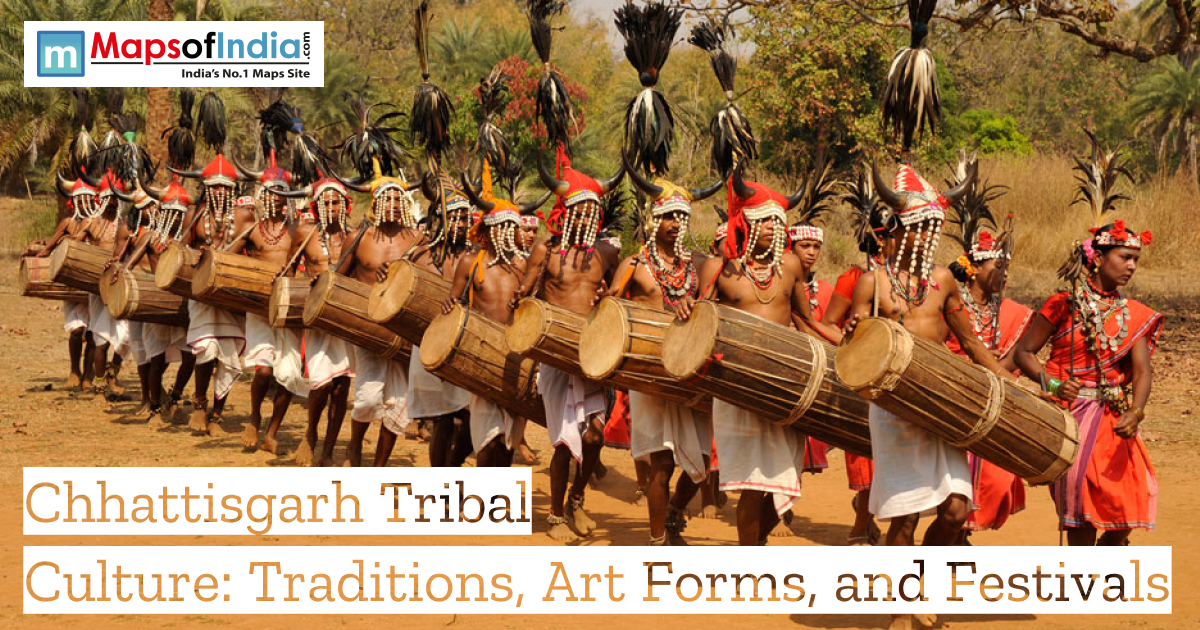
The rhythm of old tribes runs deep through Chhattisgarh. More than four out of every ten acres sit within native hands. Where trees grow thick, and slopes rise high, unique lives take shape. Not just Gond, but Baiga, alongside Oraon, call this place home. Festivals come around as the season changes, and they are connected not only with crops but also with the supernatural. Unexpectedly, from daily life, art in the form of paintings and music develops. The old traditions are kept alive through songs, while dances accompany old stories that have been told many times. In city corners, young people begin looking back, not out. Ancient thoughts live on beneath new routines, almost unheard. Folks running state efforts keep old ways alive on purpose.
Gond Tribe Artistic Legacy
Out there, Gond painters turn walls and fabric into full scenes. Not just trees but unseen beings crowd each image. With bold shades, myths about beginnings come alive. Alongside that, Digna designs have long marked house walls. Out of dots and lines, a quiet rhythm grows. Now, far beyond their origins, today’s Gond works appear in distant galleries. The path was first carved by Jangarh Singh Shyam. Following his lead, family members carry the form forward without hesitation. Where pigments once came from earth and plants, bright acrylic shades step in again and again. Out of the old tales walk figures into ordinary moments. As if trees breathed life onto painted cloth without warning.
Baiga Tribal Traditions Deeply Rooted
Folks who name themselves after the woods wear that label loud. For ages, moving crops around guided how they saw everything. With bewar, fields get a rest when it is time to shift. Skin ink shows what has changed as years pass. Faces and arms carry detailed patterns worn by women. Even now, people from different generations know about herbal medicine. The Baiga healers rely on natural methods to treat the sick. Old teachings are kept alive through stories told. Agreement is made slowly when people make shared decisions. Respect shapes how couples honour one another. Much like quiet villagers near thick stands of sal trees.
Oraon Community Festivals Are Lively
Spring arrives. The people of Oraon celebrate it with Sarhul, which is a show of colour and with songs. Blooming sal trees are the sign that the time has come again. They perform their dances around the sacred grove, their feet beating the ground in circles. Once the harvesting is over, the Karma season begins, changing the times and returning the festivities. The rhythm dwells in the hands of men as the sticks' clicking sound is like the rain falling on the wood. Women, while singing the old songs, are joining each other in groups. A great reverence for the cows is what characterises the very core of Sohrai. Bathing the animals is the first thing to be done before they are decorated with bright colours.
Bastar Dussehra Different Kind of Festival
For 75 straight days, Bastar Dussehra unfolds without pause. Not like those up north, this festival honours village gods instead. People from tribal groups join every part of it. High on a cart, the statue of Danteshwari travels with pride. As the wheels turn forward, dancers move beside it. Every year, different communities come together in Bastar. Long ago, kings funded the gathering with great care. Today, it survives through shared effort between officials and locals. A long-running celebration mixes royal history with indigenous faith.
Panthi Dance As Spiritual Practice
From the Satnami people comes the Panthi dance. Each movement follows what Guru Ghasidas once taught. High stacks of dancers rise without hesitation. The beat builds through clacking bamboo poles. Dancing speaks of fairness, shaped by change. Not loud but strong, the steps move like wind through trees. Clothes stay plain, though each thread means something. Most shows come when celebrations fill the streets. A prayer made visible, built on motion and beat.
Karma Dance Harvest Joy
Under the moon, naked bodies continually spin around the Karma tree. Cultivating the earth for harvests, going around in circles, is a ritual. Not only footsteps but also sticks make clack sounds, one after another, fashioning the tone. People singing are loud, their songs are not addressed to gods but to the earth's silent giving. Some feathers of bright blue, green are shaking on their heads, borrowing them from the peacocks who are walking proudly just nearby. As the night is getting darker, the dancing does not stop. In fact, it is supported by something which is older than the people and their bones.
Raut Nacha Pastoral Celebration
Playful steps mark Raut Nacha, a tribute to Lord Krishna. For a long ago, the Yadav people kept this custom alive. At the heart of the dance, figures of Krishna and Radha move together. Around them swirls a ring of Gopas mixed with Gopis, full of motion. Crowns shaped like peacocks appear, along with flutes held close. Winter air carries these shows when cold settles in.
Kaksar Festival Brings Tribes Together
Season after season, old ways grow fainter. Down city paths glowing with glass instead of night skies go the younger crowd. Bits of wisdom slip away, much like marks left in mud when downpours come. Around buried sites, digging stirs what was once left in peace. As weather shifts, woods stumble, fields alter, no pattern holds. Still, leaders try to guard old remnants, even if success leans one way then another.
Tribal Art Beyond Paint
Out of small fingers come woven strands of bamboo, shaping chairs and containers. With steady focus, crafters pour molten bell metal into forms that become dokra beasts. Wax patterns vanish slowly, leaving behind figures shaped exactly as planned. Made using old methods, clay vessels store harvested food. Carved scenes live on wooden doorframes and columns.
Modern Pressures on Tribal Traditions
Out here, old ways bend under new demands. City life pulls younger people away more each year. What elders knew slips, hardly noticed. Losing land means losing how to live off it. Digging into the earth breaks places held holy. Weather shifts mess with what trees and plants give. Still, government plans try to protect what's old even if results differ from place to place. Much like a very old tree standing through endless storms.
Hoping for Survival by Saving
Most times, community museums keep track of living customs. State backing often reaches festivals without delay. Craft sales through art groups always aim at fairness. Tribal tongues sometimes show up in school lessons. Care shapes how tourism encourages sharing between cultures. Branches stretch into fresh paths, much like young creators reshaping old ways.