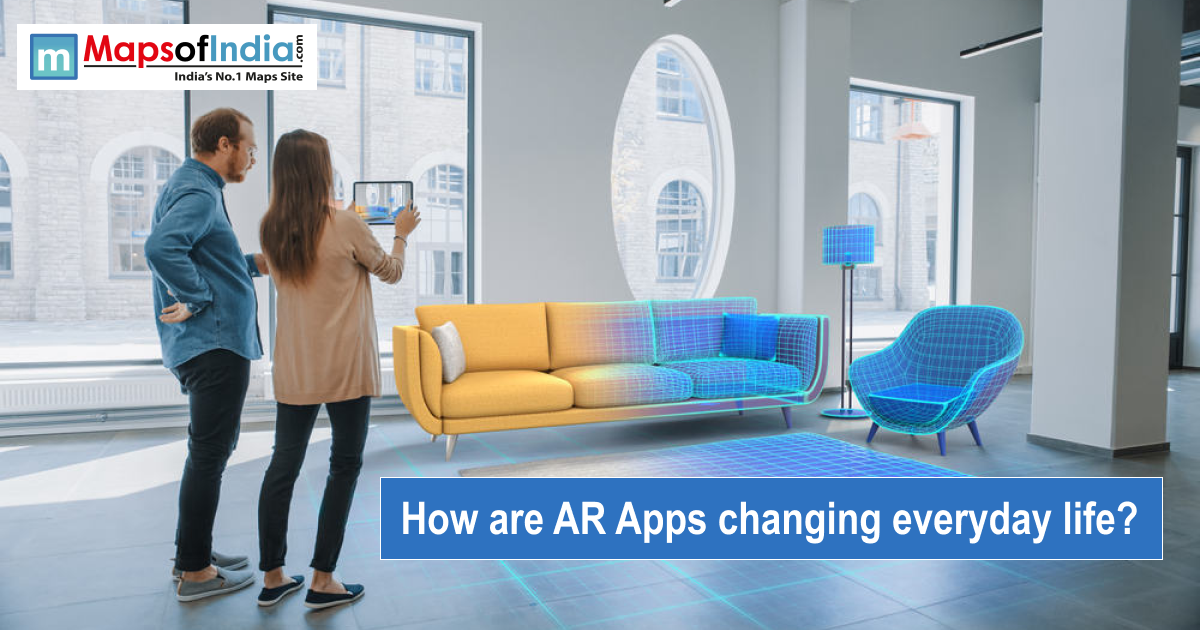
Augmented Reality - often called AR - mixes computer-generated stuff with what you see around you, thanks to phones, pads, or glasses. Instead of swapping out the real world as VR does, it builds on top of it. Day-to-day uses include apps that add images, noises, or data right into your environment. It’s no longer just a gimmick. It's part of regular routines. It shapes the way folks buy things, pick up skills, do their jobs, move around, or hang out with others. You barely notice the tech, but it’s strong since it just slips right into what you already do.
How AR apps became mainstream
Smartphones got better cameras, plus fast chips that brought AR into everyday life. With cheaper data plans and 5G rolling out, delays dropped, making live interactions smoother. Big tech poured money into tools for AR, so builders could create apps faster. Apps like Instagram used fun filters, letting people try AR without needing to understand it. Slowly, AR moved beyond games, now helping with real tasks instead.
AR in retail, plus how people act when buying stuff
Retail gains a lot from AR tools. Instead of guessing, folks can test clothes, shoes, glasses, or makeup virtually. Some apps show how couches, desks, or lights fit right in your space, actual size. Less doubt means fewer returns. People choose quickly, feeling sure about what they pick. AR mixes online ease with a real-world feel. Lots of companies see AR sneak peeks not as extra flair but as basic gear.
AR in education and learning
Learning’s getting more hands-on with AR. Pupils check out 3D versions of organs, old buildings, and even molecules right inside their books. Thanks to AR tools, tricky ideas turn into things you can play with. That helps folks grasp stuff faster plus remember it longer. With AR, hands-on training gets clearer through guided visuals when fixing equipment or trying science projects. Learning fits better for everyone since AR works with how each person picks up new skills.
How AR supports remote learning
AR makes remote learning less limiting. Because teachers show ideas through shared virtual items. While students explore identical 3D models, no matter where they are. Especially fields such as engineering, healthcare, or product creation gain a lot. AR gives extra support to kids who struggle in class through hands-on, sensory-rich experiences. Schools will use AR tools as standard parts of teaching instead of just add-ons.
AR when you're finding your way or on a trip
Maps aren't just 2D anymore. With AR apps, turn-by-turn cues pop up through your phone’s camera view. So you’re less likely to get lost, say, in a new city. Pointing your device at old buildings brings out fun stories from the past, making sightseeing way more engaging. Museums now show old objects through lively tales, moving images, or rebuilt scenes using AR. Trips feel deeper and are packed with useful details.
How AR changes tourism experiences
Tourists aren't stuck depending just on guides or signs anymore. Because of AR apps, info shows up right away in any language you need. Old ruins that vanished. Now they pop back to life when you look through AR. Instead of standing still, history starts moving, thanks to digital layers. This boosts how well people get to know spots while making them care more. What's more, AR keeps crowds moving smoothly by directing tourists to key sites at busy sites.
AR in healthcare plus everyday well-being
In healthcare, AR helps regular people, along with the pros. Fitness apps show how to fix your stance while you move, right on screen. Instead of just audio, meditation tools add soothing scenes through AR at home. Surgeons get ready for operations by seeing body parts appear live on patients. Patients grasp medical info more easily when visuals are used instead. Because AR simplifies data, people tend to pay closer attention to prevention.
How AR supports daily fitness habits
AR makes working out more fun. Through your screen, digital coaches show exercises right where you are. Fun game-like tasks keep you pushing forward. Instant tips help you move better while staying safe. This makes home workouts work better while being easier to do. Day-to-day, AR helps people move more by removing roadblocks.
AR in work and productivity
Workplaces apply AR to help new staff learn plus work together better. Staff get visuals right in front of them when doing jobs, fewer mistakes happen, and they pick things up faster. Teams far apart join via AR spaces to check designs or plan projects. Technicians out in the field rely on AR to spot machine problems without using their hands. Efficiency goes up since data shows up just at the point it's useful.
How AR supports skill-based jobs
Machines hum while AR helps fix them. Workers spot digital hints right where they need them. Wires, distances, and danger zones appear live through smart glasses instead of paper guides. Less guesswork means fewer questions for team leads. Rookies catch up quicker when info sticks to what they see. factories will not treat this tech as fancy testing gear. It just works.
AR in social media and communication
Social apps made AR common with fun face tricks. At first, just silly looks, now they’re ways to show who you are. People share feelings, ideas and flair using visuals. Instead of words, digital doodles or cartoon selves bring chats to life. This shifts the way folks show up on the web. So digital personas get looser, easier to tweak.
The cultural impact of AR filters
AR filters shape what’s seen as beautiful, affect styles in fashion, or even change how people joke around. Yet they spark talks on realness, plus how folks see themselves. Even so, these tools open doors for trying new things, fueling creative ideas. Instead of pushing one look, they let users pick how to show up online. That shift lines up with wanting more individuality, showing who you really are.
Problems along with moral questions
Few perks come with worries. When apps scan areas while grabbing images, people get nervous about privacy. Too much AR might mix real life with digital stuff in confusing ways. Not everyone gets equal access. Location and cash level matter a lot. To keep things fair and useful, smart rules plus thoughtful building need to guide how AR works.
The future of everyday AR experiences
In the coming years, AR glasses might take over from phones. Info’ll show up right where you look. Everyday chores could seem smoother, almost automatic. Whether shopping, studying, doing jobs or checking new places, you’d keep engaging with floating digital bits. Instead of feeling techy, it’ll just blend into how you see things.