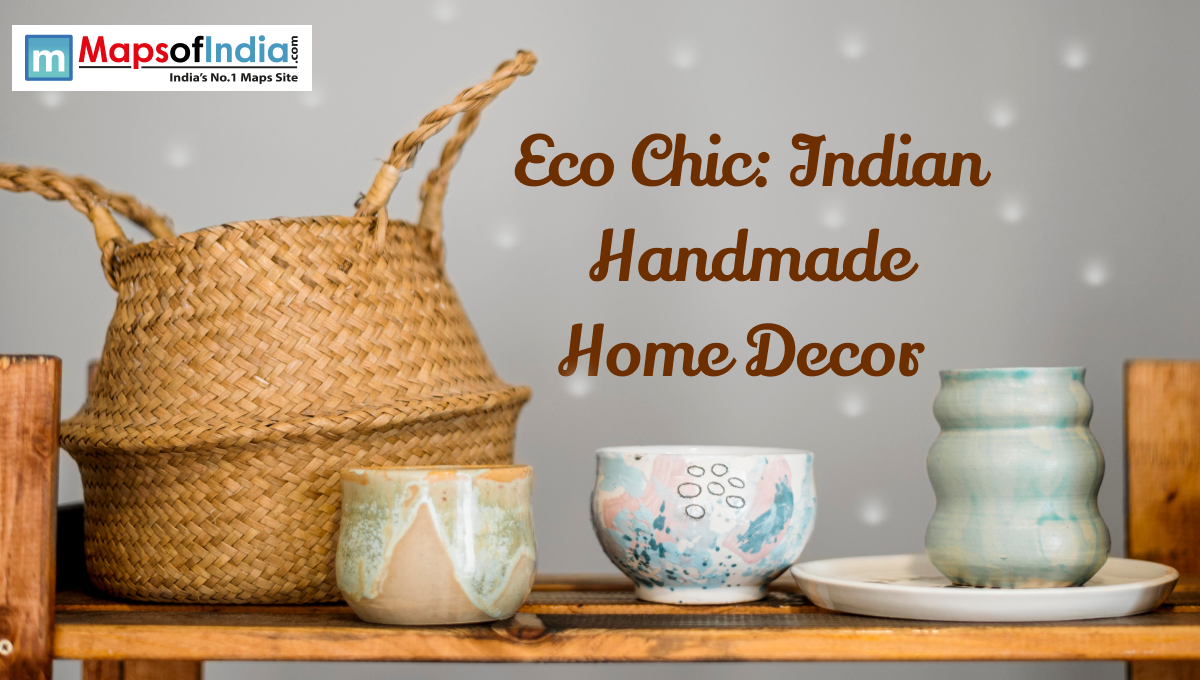
Vibrant homes often begin with handmade Indian crafts. From villages where hands mould earth, twist reeds, chip timber, colour cloth through traditions passed down generations. Each object holds fingerprints along with quiet knowledge of place. Machines never step in. Plastic finds no home here. What grows close by becomes what fills rooms. Out of old ways comes a quiet kind of care. These days, houses want things that feel real. People who watch the planet look for pieces with depth. From India, handmade work steps in with grace. What looks good also does good. Faraway villages shape what city living loves. Tradition holds answers without trying. Shelves around the world hold these items with quiet pride. Not loud, but standing apart from endless copies made by machines.
Terracotta Pottery Of Gujarat And Rajasthan
Fingers mould the clay across Gujarat's Kutch soil. With feet setting motion, wheels turn slowly into rhythm. Riverbeds give up their silt without protest. Sunlight bakes each form until it stiffens on its own. Heat stays gentle in small kilns, so colours remain close to dirt. From clay come water pots, planters, lamps, and wall hangings. Glazes are not made of chemicals. Instead, natural oxides shape soft, shifting designs. In Rajasthan, mirrors flash here and there alongside bold colours now and then. Breathable, they stay, kind to the earth. These ways move hand to hand, down family lines. A stone table now sits where a screen once did. Not just rock, but time carved into shape.
Bamboo And Cane Craft From Northeast India
Bent by wind and river, Assam, Tripura, while Manipur thrives on green shoots rising fast. Thin strips come out of rough hands that know every groove in the cane. Woven slowly, baskets take shape along with trays, then lampshades, before chairs stand ready. Machines stay silent most of the time, left aside like unused tools. Shine appears when natural lacquer slips over surfaces at dusk. Bamboo returns within just a few seasons. Because it regrows fast, it takes some support for the woods overall. Even after cutting, carbon capture remains solid. Strong despite being light, items fit clean living spaces well. Patterns drawn from old traditions bring meaning underneath. As if wild groves became quiet art inside homes.
Dhokra Metal Art From Chhattisgarh And West Bengal
For hundreds of years, Dhokra makers have shaped metal using the lost-wax method. A small earth body gets covered in soft beeswax. Tiny lines of wax form detailed designs across the surface. Over that, a second coat of mud is smoothed to trap the pattern inside. Once heated, the wax runs out and leaves a hollow space where hot brass flows in. Bells rise first, then small statues, spirits of old tribes, tiny containers for keepsakes. Never a twin among them, each stands alone. From nearby earth comes the ore, usually. Quiet methods shape it, gentle on resources, kind to waste streams.
Hand-Blocked Fabrics Of Rajasthan And Gujarat
Far beyond Jaipur, fabric stirs when wooden stamps etch shapes by hand. With every light strike, those blocks imprint tales on cloth. Hues emerge blue pulled from climbing plants, red drawn out of earth-fed roots, and yellow teased from peels. Dye baths deepen the tint each time they're dipped. Beneath wide skies, sun seals whatever moisture remains. Sharp angles hold Ajrakh patterns steady. Flowers leap through Bagru prints, bold and clear. No toxic spill slips away unseen. Each portion of water waits, reused, then released. Stories seem to rest just beneath the cloth's surface.
Coconut Shell Craft From Kerala
From smooth coconut husks, Kerala makers begin. With steady hands, they shape each piece slowly. Tools chip fine lines across curved surfaces. Bowls take form, then spoons, followed by cup-like stands for flames. A rich brown glow appears after rubbing for long hours. Nothing artificial touches the finish; only what grows comes through. Out of sight, usually tossed aside, these shells find a second chance. Given fresh purpose through upcycling. The outcome is that objects are both light and tough. Designs take cues from island scenes, palm silhouettes, and swimming shapes. What was once overlooked now sits on tables with quiet pride.
Wall And Fabric Art Of The Warli People
From Maharashtra emerge Warli paintings, still scenes packed with thought. Rice paste forms them, bright white on warm red backdrops. Clay walls once held these drawings, placed there by village hands long before now. Today, fabric holds its stories just like sheets of paper do. Shapes form folks, critters, circles, lines, building them piece by piece. Trees stretch upward while birds lift off inside woven scenes. Celebrations hum quietly between marks made one after another. Eyes missing on purpose, faces open where looks should land. Colours rise from dirt, leaf crush, and rock dust, smoothed slowly. Voices of long ago ride fresh strokes across flat surfaces today. Earth tones settle gently, never loud, never pretentious. Hushed emblems bring back words that were spoken around fires.
Jute And Coir Goods Made In West Bengal And Odisha
Everywhere across the Bengal delta, juts of jute rise between fields. Fibres drawn from these stalks become thread, almost on their own. Weaving follows mats, takes shape, then rugs, bags, sometimes art for walls, guided by practised fingers. Coconut husks get torn open just as often, releasing coarse strands beneath. Out in Odisha, hands twist it into tough cords or mats for floors, different paths, same root. Everything fades back quietly; no leftovers remain behind. Colours rise from green things growing nearby. Harsh stuff never makes an appearance. Picture golden strands turning soft, wrapping a room like calm.
Eco Advantages Of Handmade Choices
Families often find work through tiny local workshops. From start to finish, these goods need hardly any chemicals. Earth takes back biodegradable stuff without trouble. Big factories leave heavier marks on the air and water. Rural incomes grow when people make things by hand. From river clay to forest fibres, makers shape what’s near without draining it. Less liquid slips down drains here. Scraps almost vanish into new forms. Much like picking things that mend your space while mending the earth.
Spotting Real Handmade Items
Always notice tiny flaws. Each handmade piece carries small differences you can see. Run fingers over the surface slowly. Uniformity often means machine work instead of handwork. Wonder where materials come from. People who craft things themselves talk openly about how they do it. Marks left by makers appear now and then. Those small fair trade marks point out goods made the right way. Almost like whispers from people who built them piece by piece.